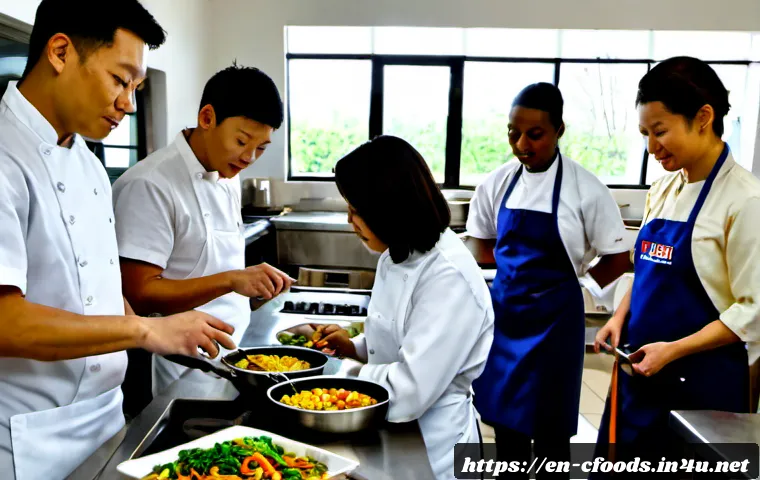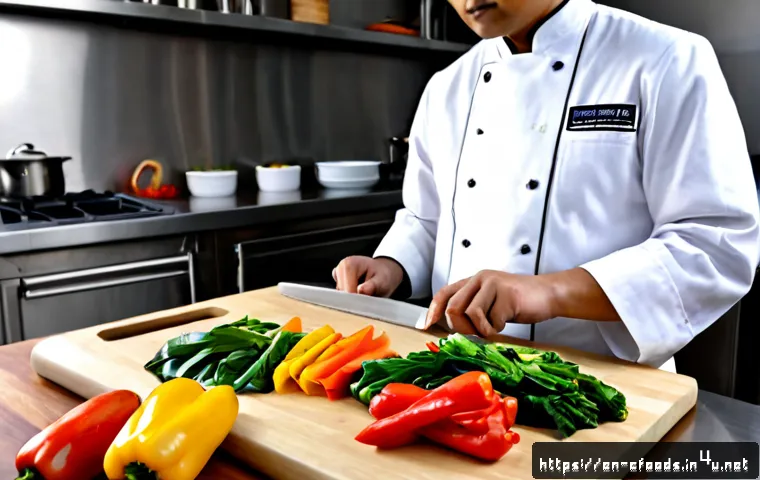
Before enrolling in a Chinese cooking certificate program, build reliable knife skills, wok heat control, food safety habits, and timing under pressure.
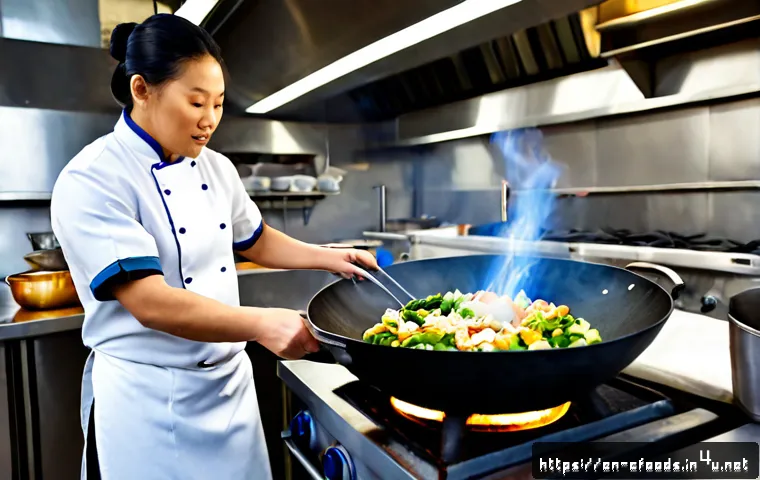
A course can provide structure and feedback, but a certificate by itself does not prove chef-level ability or guarantee a job. The right option depends on whether you need kitchen access, instructor feedback, a recognized credential, or workplace experience.
Compare culinary school tuition, ingredient fees, professional knife sets, wok equipment, and course schedules before committing. Practice technique—not just individual dishes—so your results stay consistent across different menus.
Exact certificate requirements, assessments, and accepted credentials vary by location, provider, and employer.
At a Glance
- Prioritize repeatable basics: safe knife work, controlled high heat, organized preparation, and consistent seasoning.
- Choose training for the gap you have: self-practice builds repetition, while a course or workplace kitchen can add feedback and structure.
- Compare the full commitment: tuition is only one factor; check equipment, ingredients, uniforms, kitchen access, and assessment details.
| Training path | Best for | Main value | Cost factors to review |
|---|---|---|---|
| Self-directed practice | Hobby cooks and beginners testing their interest | Flexible repetition at your own pace | Ingredients, wok equipment, knife set, and home-kitchen limitations |
| Short certificate course | Students seeking focused instruction | Guided techniques, kitchen time, and instructor feedback | Course tuition, ingredients, uniforms, tools, and schedule |
| Community college or culinary school | Career changers wanting broader culinary training | More structured practice and related professional skills | Program tuition, supplies, transport, kitchen access, and required equipment |
| Restaurant apprenticeship or workplace training | Restaurant employees building real-service experience | Speed, teamwork, standards, and production routines | Time commitment, role scope, mentoring quality, and local workplace requirements |
The Core Skills Employers and Training Programs Commonly Look For
The most useful preparation is not memorizing a long list of dishes. It is showing that you can work safely, cleanly, consistently, and efficiently. A Chinese cuisine certificate program may teach different regional styles, but these kitchen foundations transfer across menus and workplaces.
Knife safety, speed, and uniform ingredient preparation
Practice a stable cutting board, safe hand placement, and controlled knife movement before trying to work faster. Uniform slices, strips, cubes, and chopped aromatics matter because similarly sized ingredients cook at a similar rate. Speed is helpful only when accuracy remains intact. A professional knife set may be useful later, but confirm a program’s tool requirements before purchasing specialized knives.
Wok handling, heat control, and fast cooking timing
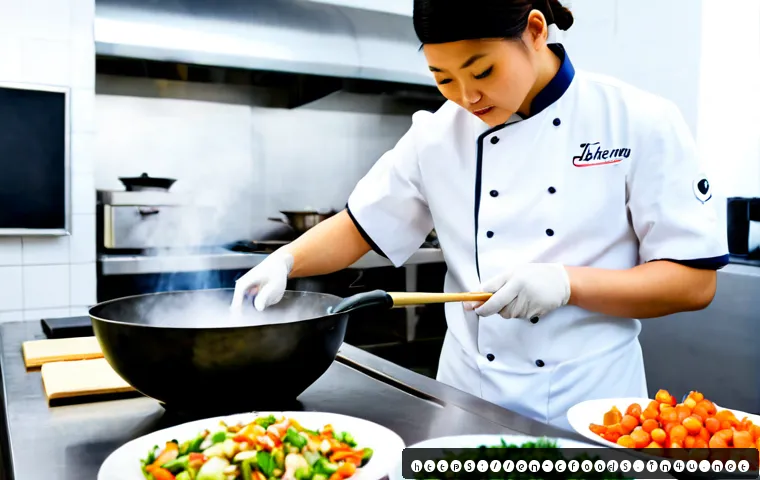
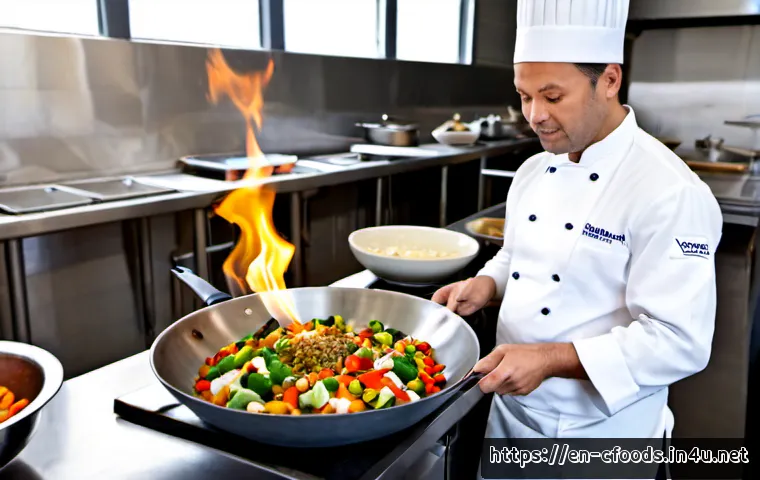
Wok cooking depends on preparation as much as the pan itself. Learn to preheat appropriately, add ingredients in a workable order, and avoid crowding the cooking surface. Watch how moisture, batch size, and ingredient temperature affect the result. You do not need to chase dramatic flames; the practical goal is controlled heat and clear timing.
Flavor balance, sauces, marinades, and seasoning consistency
Learn what each sauce, aromatic, seasoning, and marinade contributes to a dish. Then repeat the same preparation and taste for consistency. Instead of adding ingredients by guesswork, measure during practice and note what changed. This habit supports standardized recipes and helps you adjust without losing balance during a busy service.
Compare Training Paths Before Paying for a Certificate
A paid program has more value when it gives you what independent practice cannot easily provide: supervised kitchen access, clear assessment, direct feedback, and repeated work under realistic time limits. Read the course outline rather than assuming every certificate covers the same skills.
Self-directed practice versus structured short courses
Self-practice works well for building confidence with preparation, stir-frying, steaming, and basic sauces. It is flexible, but you must create your own standards and notice your own mistakes. A structured short course can be a better fit when you want an instructor to correct knife technique, wok handling, sanitation routines, or workflow.
Culinary school, community college, and restaurant apprenticeship
Culinary school or community college may suit someone who wants a broader foundation beyond Chinese cuisine, including production planning and professional kitchen procedures. Restaurant training can offer useful exposure to pace, batch cooking, communication, and consistency. The experience depends on the workplace and role, so ask what tasks you will actually perform rather than relying on the training label alone.
Cost factors to compare: tuition, ingredients, uniforms, tools, and kitchen access
Compare total training costs, not tuition alone. Ask whether ingredients, uniforms, food-safety training, professional knife sets, wok equipment, examination fees, or kitchen access are included. Also compare class schedules and practice hours. A lower-fee course may be less useful if it offers little hands-on work, while a more comprehensive option may include resources you would otherwise need to arrange separately.
Practical Kitchen Techniques to Practice First
Build a small set of techniques that you can repeat with different ingredients. The goal is to understand the process: preparation, heat, sequence, seasoning, and clean-up.
Stir-frying, steaming, braising, deep-frying, and stock preparation
Stir-frying teaches fast movement and heat control. Steaming teaches timing and gentle cooking. Braising develops patience with layered flavor and texture. Deep-frying requires careful attention to clean work habits and cooking conditions. Stock preparation helps you understand how a base can support sauces and finished dishes. Practice each method with an emphasis on observation, not just a finished recipe.
Mise en place, batch cooking, portion control, and plating
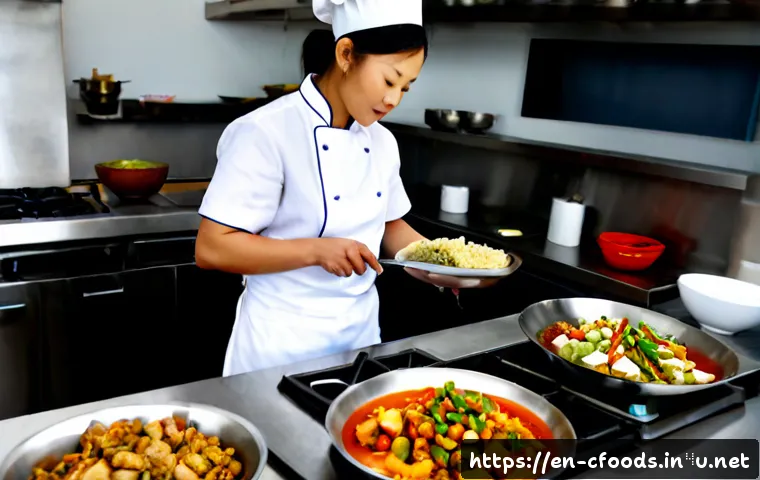
Mise en place means organizing ingredients and tools before cooking begins. Set out measured seasonings, prepared vegetables, proteins, serving items, and cleaning materials in a logical order. Then practice making more than one portion while keeping ingredient amounts and presentation consistent. This is where casual cooking becomes closer to professional kitchen execution.
Working cleanly under time pressure
Use practice sessions to build a simple rhythm: prepare, cook, check quality, store safely, and clean as you go. Keep raw and ready-to-eat ingredients separated. A fast cook who leaves an unsafe or disorganized station is not demonstrating professional readiness.
Food Safety and Professional Kitchen Standards
Food safety is a core kitchen skill, not a separate topic to study at the end. Local food-handler rules and employer requirements can differ, so confirm what applies where you plan to train or work.
Cross-contamination prevention and temperature awareness
Use clean equipment and separate work areas when handling raw ingredients and foods that are ready to serve. Pay attention to storage, holding, reheating, and cooking procedures used by your course or workplace. If a certificate program includes food-safety training, ask whether it matches the local expectations relevant to your goals.
Allergen communication and safe ingredient storage

Know the ingredients in sauces, marinades, stocks, and prepared items. Clear labeling and communication matter when a guest, instructor, or coworker raises an allergen concern. Store ingredients according to workplace procedures, and do not make assumptions about substitutions or shared equipment.
Following standardized recipes and workplace procedures
A standardized recipe is not a limit on creativity; it is a tool for consistency. Follow portions, sequence, seasoning, and presentation instructions before experimenting. In a professional setting, workplace procedures may also cover labeling, cleaning, storage, and communication. Demonstrating that you can follow them reliably is valuable.
Avoid These Common Certification Preparation Mistakes
Learning dishes without understanding heat and timing
Repeating a dish can build familiarity, but it may hide weak technique. Change one variable at a time during practice: ingredient size, batch size, pan heat, or cooking order. Notice how the result changes. This develops judgment that carries into unfamiliar dishes.
Buying expensive equipment before confirming program needs
Do not assume that the most expensive wok or knife set is required. Check the course supply list, ask whether shared equipment is provided, and find out what materials are permitted in practical assessments. Buy for your actual training path, not for an image of professional cooking.
Ignoring feedback, repetition, and consistency checks
Feedback is useful only when you apply it repeatedly. Ask specific questions: Are my cuts uniform? Is my station organized? Did I season consistently? Did I follow the required method? Keep brief notes after practice so you can identify patterns instead of starting from scratch every time.
Choosing the Right Training Option: A Decision Summary
Best fit for hobby cooks, career changers, and restaurant employees
Hobby cooks may benefit from self-directed practice or a focused short course. Career changers may prefer a community college or culinary school option if they need broader kitchen experience and a structured learning plan. Restaurant employees may gain the most from workplace training paired with targeted food-safety or technique instruction.
Questions to ask before enrolling or purchasing professional equipment
Check these points before making a decision:
- How much hands-on kitchen time does the program provide?
- Who gives feedback, and how are practical skills assessed?
- Are ingredients, uniforms, tools, and kitchen facilities included?
- What schedule and attendance requirements apply?
- Is the certificate relevant to the employer, school, or location you have in mind?
Compare course schedules, kitchen facilities, and tool requirements on the provider’s official program page before enrolling or buying equipment.
When a paid program offers more value than independent practice
A paid program may be worthwhile when you need reliable kitchen access, practical evaluation, instructor correction, or a formal course record. Independent practice can still be the stronger starting point if you mainly need repetition and want to confirm your interest before taking on tuition and equipment costs.
Closing Thoughts
Chinese cooking skills develop through careful repetition, not through one certificate alone. Start with safe knife work, organized preparation, heat control, seasoning, and sanitation. Then select a training path that gives you the missing piece: feedback, facilities, structure, or workplace experience. A clear comparison now can prevent unnecessary spending later.
Useful Information to Keep in Mind
Practice with a purpose: assess one skill at a time, such as uniform cutting or cooking sequence.
Keep a simple record: note timing, batch size, seasoning adjustments, and instructor feedback.
Confirm local requirements: food-safety credentials and certificate acceptance may differ by employer and location.
Important Notes
Certificate requirements, exam formats, fees, and accepted credentials vary by country, state, school, employer, and certifying organization. A certificate does not guarantee employment, promotion, visa eligibility, or chef-level competence. Confirm food-handler requirements with the relevant local authority, training provider, or employer before enrolling.
Frequently Asked Questions
Q1. Do I need culinary school to get a Chinese cooking certificate?
A1. Not always. Requirements depend on the certificate provider and location. Some learners may choose a short course, workplace training, or independent practice before pursuing a credential. Check the specific program’s eligibility, practical assessment, and local acceptance.
Q2. What equipment should I buy before starting Chinese cuisine training?
A2. Start with equipment that supports safe practice, such as a stable cutting surface and basic cooking tools you can use properly. Before buying a professional knife set or wok equipment, review the program’s required-tools list and ask whether equipment is supplied or shared.
Q3. How can I compare the cost and value of different culinary certificate programs?
A3. Compare tuition alongside ingredient costs, uniforms, tools, kitchen access, class hours, instructor feedback, and assessment methods. The best value is not automatically the lowest tuition; it is the option that provides the skills, practice conditions, and credential relevance you actually need.