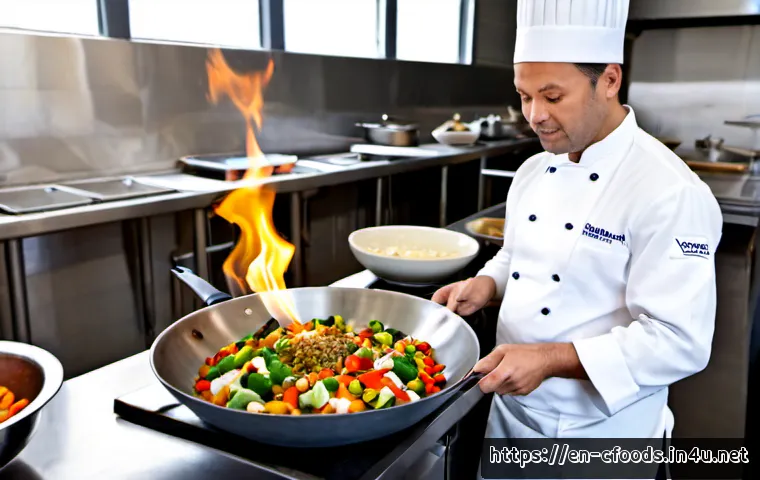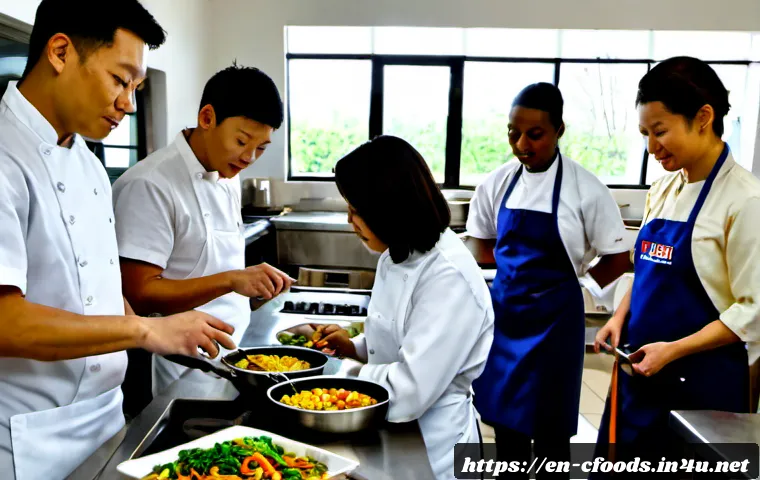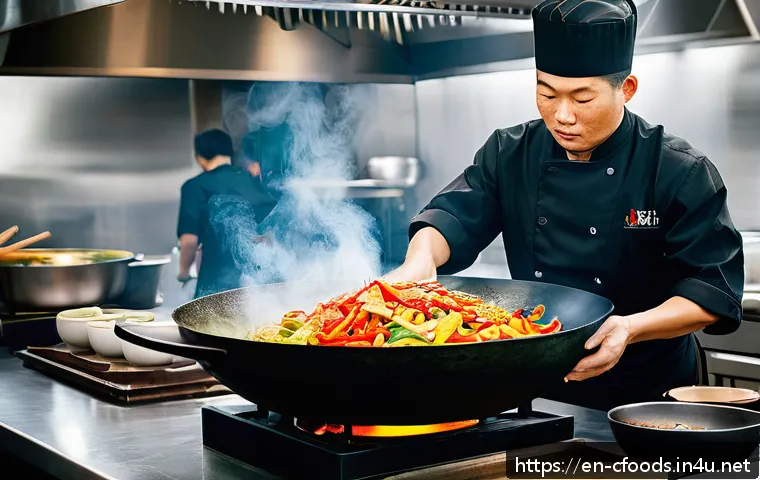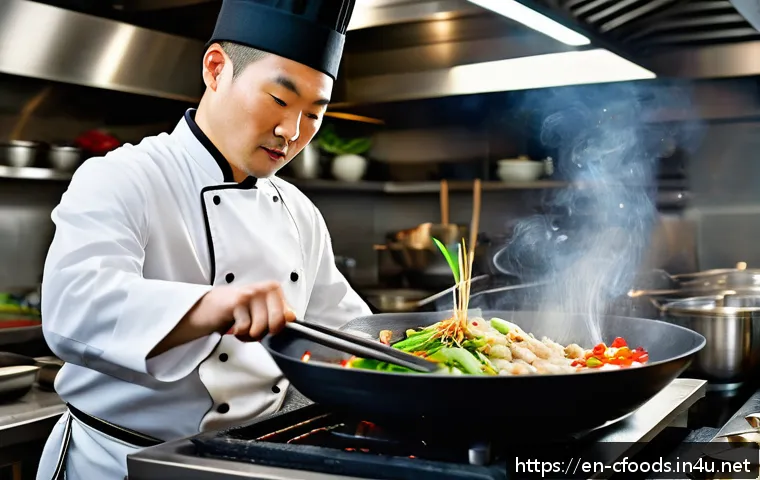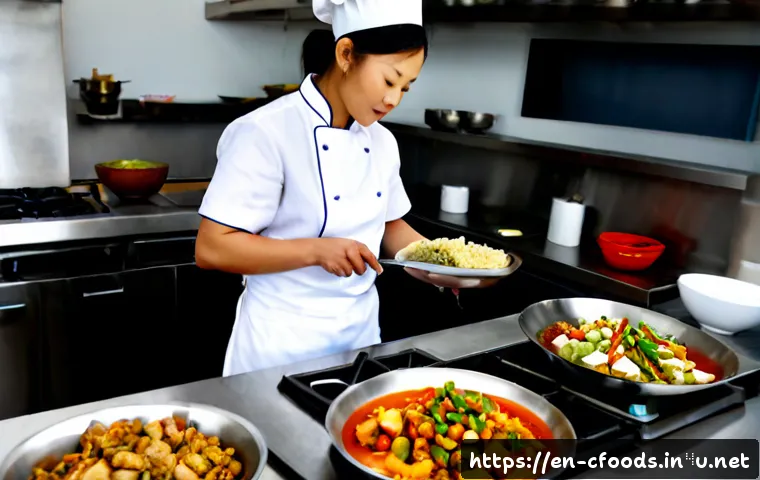
The highest-priority skills are complete timed cooking runs, consistent knife work, and controlled high-heat cooking. Start with the official candidate instructions, then repeat the full menu sequence instead of practicing each dish only once.
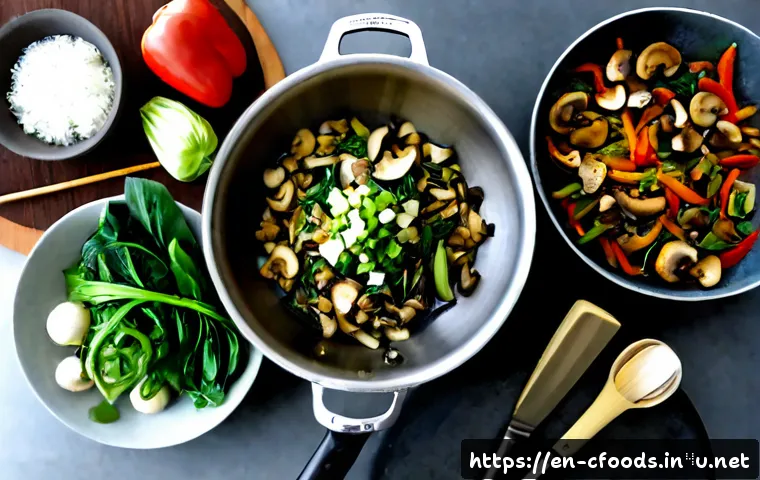
A paid cooking class can be useful when you need feedback, commercial-kitchen access, or realistic mock assessments. It is not automatically the best choice if you already have a workable kitchen, clear instructions, and the discipline to practice under time limits.
Compare course schedules, kitchen access, mock-test availability, and total materials costs before spending on training or tools. Your goal is not just to cook a good dish, but to produce a safe, organized, finished result under assessment conditions.
At a Glance
- Practice full timed runs: Repeating the entire workflow reveals timing, prep, and cleanup problems.
- Make knife work consistent: Even cuts support even cooking, presentation, and efficient preparation.
- Control heat and moisture: A hot wok, sensible batch size, and dry ingredients help prevent steaming.
| Preparation Route | Best Fit | Main Value | Cost Factors to Compare |
|---|---|---|---|
| Self-study | You have reliable kitchen access and can follow written exam instructions. | Flexible repetition and ingredient-focused practice. | Ingredients, basic chef tools, and home-kitchen limitations. |
| Group cooking class | You need technique foundations and instructor-led structure. | Demonstrations, shared practice, and a planned curriculum. | Course fees, materials, class size, and actual hands-on time. |
| Private coaching | You have specific weaknesses in timing, knife work, or wok control. | Focused feedback on your own workflow. | Instructor fees, session length, and whether mock assessment feedback is included. |
| Commercial-kitchen rental | Your home setup cannot support realistic high-heat practice. | Access to stronger equipment and a test-like workspace. | Kitchen rental terms, equipment access, cleaning rules, and ingredient storage. |
What to Prioritize Before a Practical Chinese Cooking Assessment
Prioritize the parts of cooking that affect the whole result: preparation, knife work, heat control, food safety, timing, plating, and final taste. A practical assessment is not only about remembering a recipe. It also tests whether you can work in an orderly way when the clock is moving.
The Three Skills That Usually Affect the Final Result Most
Timed full runs show where your plan breaks down. Knife consistency helps ingredients cook evenly and look intentional. Heat control matters especially for wok cooking, where a wet pan, crowded batch, or weak heat can turn stir-frying into steaming.
Build a Checklist From the Official Candidate Instructions
Create one checklist from the official candidate instructions. Include the required menu, scoring criteria, permitted equipment, ingredient requirements, substitution rules, uniform standards, time limits, and retake policy. Do not assume that another testing location follows the same details.
Turn the Menu Into a Timed Practice Sequence
Write the menu as a sequence: sanitize, collect ingredients, prep, portion, cook, plate, clean, and review. Keep the sequence visible during early practice. Later, run it from memory and note where you lose time, forget an ingredient, or create unnecessary movement.
Compare Preparation Routes: Self-Study, Classes, Coaching, and Kitchen Rental
The right preparation route depends on what is limiting you now. Spend on the limitation, not on the most expensive option.
When Self-Study Is Enough
Self-study can be enough when you can access the required ingredients, practice safely, and repeat complete sessions without interruption. It works best for candidates who can evaluate their own cuts, timing, seasoning, and plating against official requirements.
When a Group Cooking Class Can Add Value
A group class may add value when you need a structured progression in Chinese cooking techniques or want access to a practice kitchen. Before enrolling, ask whether the class includes individual cooking time, instructor feedback, and mock-test style practice rather than demonstrations alone.
When Private Feedback or Commercial-Kitchen Practice May Be Worth Paying For
Private coaching may be useful if one issue keeps repeating, such as uneven cuts, slow prep, or weak wok control. A commercial-kitchen rental may be more useful than another class if your main barrier is equipment access. Compare culinary school fees, rental terms, practice time, and total materials costs.
Questions to Ask Before Enrolling or Booking Practice Space
Ask whether you can practice the relevant menu format, whether mock assessments are available, what equipment is included, and whether ingredient storage or cleanup rules apply. Also confirm class schedules, instructor feedback, and whether you will actually cook rather than only observe.
Create a Repeatable Practice System for Knife Work, Wok Control, and Timing
A repeatable system turns vague practice into measurable improvement. Keep one simple practice record: what went well, what delayed you, and what must change next time.
Train Consistent Cuts Before Increasing Speed
Start slowly enough to make pieces similar in size and shape. Speed without consistency can lead to uneven cooking and rushed presentation. Once your cuts are reliable, place them inside a timed prep sequence.
Practice Heat Management Without Overcrowding the Wok
High-heat Chinese cooking requires attention to wok temperature, batch size, and moisture. Prepare ingredients before heating the wok, avoid adding too much at once, and notice whether liquid is building in the pan. If it is, review batch size and ingredient dryness before assuming the recipe is the problem.
Run Full Mock Assessments Under Realistic Time Limits
Practice individual techniques, but do not stop there. Complete mock sessions reveal transitions: moving from prep to cooking, handling multiple components, plating while food is at its best, and finishing cleanup without panic.
Avoid Common Practical-Test Mistakes
Most avoidable mistakes come from poor organization rather than a lack of effort. Build checks into your routine before small errors become final-result problems.
Poor Mise en Place and Ingredient Confusion
Mise en place reduces missed ingredients, timing errors, and unnecessary movement. Label or position ingredients in a consistent order. Check quantities and components before cooking begins, not when the wok is already hot.
Uneven Cooking, Excess Moisture, and Weak Seasoning Balance
Uneven cuts can create a mix of undercooked and overcooked pieces. Excess moisture can weaken stir-frying. Taste and seasoning balance still matter, but do not make last-minute adjustments so quickly that they disrupt the rest of the workflow.
Food-Safety Lapses, Rushed Plating, and Unfinished Cleanup

Keep sanitation active throughout the session, not just at the start. Reserve enough time for a clean final plate and required cleanup. A dish can lose impact if the presentation looks rushed, even when the cooking is acceptable.
Adapt Your Plan to Your Experience and Kitchen Access
Your practice plan should match your current ability and workspace. A realistic plan repeated consistently is more useful than an ideal plan you cannot complete.
A Plan for Beginners Who Need Technique Foundations
Begin with safe knife handling, uniform cuts, basic mise en place, and controlled wok practice. Add timing only after you can complete each stage calmly. A group class may help if you need demonstrations and guided correction.
A Plan for Experienced Home Cooks Who Need Exam Discipline
Experienced cooks should focus on the assessment format. Practice the official sequence, limit improvisation, and use realistic time limits. Your biggest gains may come from cleaner organization rather than more recipe experimentation.
A Plan for Candidates Without a High-Heat Cooking Setup
Practice prep, knife work, sequencing, and sanitation at home. Then consider a culinary school kitchen, supervised class, or commercial-kitchen rental for heat-control practice. Confirm what tools are available before booking the space.
Selection Criteria and Comparison Summary Before You Book Training
Compare instructor feedback, hands-on practice time, equipment access, mock-test availability, and materials costs. If you need correction, prioritize feedback. If you need realistic wok performance, prioritize suitable kitchen access. If your workflow is already strong, ingredients for repeated mock runs may offer more value than another general class.
Compare Instructor Feedback, Practice Time, Equipment Access, and Materials Costs
Do not compare course fees alone. Look at the total preparation cost, including ingredients, chef tools, travel, kitchen rental, and the amount of actual cooking practice included.
Decide Whether the Next Dollar Should Go to Classes, Ingredients, Tools, or Mock Runs
Buy tools only when they solve a clear practice problem. Choose ingredients when repetition is your main need. Choose a class or private instructor when you need informed feedback. Choose a mock run when timing and exam discipline are your weak points.
Final Pre-Booking Checklist for a Course or Practice Kitchen
Confirm the schedule, cooking stations, equipment, mock-assessment option, instructor access, ingredient policy, and cleanup requirements. Review official assessment conditions separately, because providers and testing locations may differ.
Closing Thoughts
Practical Chinese cooking certification preparation becomes clearer when you focus on complete workflow, not isolated dishes. Build your plan around official instructions, consistent knife work, controlled heat, and repeated timed practice. Paid training can be useful, but only if it solves a specific gap in feedback, equipment access, or mock-test experience.
Useful Things to Know
1. A complete timed run is often more revealing than another untimed recipe practice.
2. Mise en place supports timing, sanitation, and calmer decision-making.
3. A professional knife or wok is not a substitute for consistent technique and organized practice.
Important Notes
Exact dishes, scoring weights, time limits, equipment rules, pass marks, fees, and retake policies are not universal. Confirm these details directly with your certification provider and testing location before making training, kitchen-rental, or equipment decisions.
Frequently Asked Questions
Q1. Is a cooking class worth paying for before a practical Chinese cooking certification test?
A1. It may be worth it if you need structured instruction, direct feedback, practice-kitchen access, or mock assessments. Compare class schedules, kitchen access, mock-test availability, instructor feedback, and total materials costs before choosing.
Q2. What equipment should I practice with before a Chinese cuisine practical exam?
A2. Start with the equipment permitted or expected by your assessment provider. Focus on tools that support safe, consistent knife work and realistic cooking practice. Confirm permitted equipment directly with the provider because rules can differ by location.
Q3. How many timed mock cooking sessions should I complete before booking the assessment?
A3. There is no universal number. Complete enough full timed runs to identify and correct repeated issues in preparation, knife work, heat control, sanitation, plating, and cleanup. Book only after you can follow the required workflow with a controlled, repeatable process.