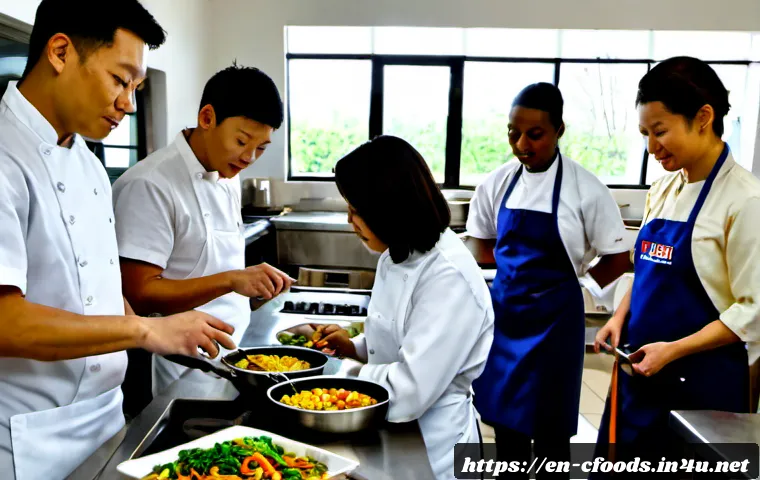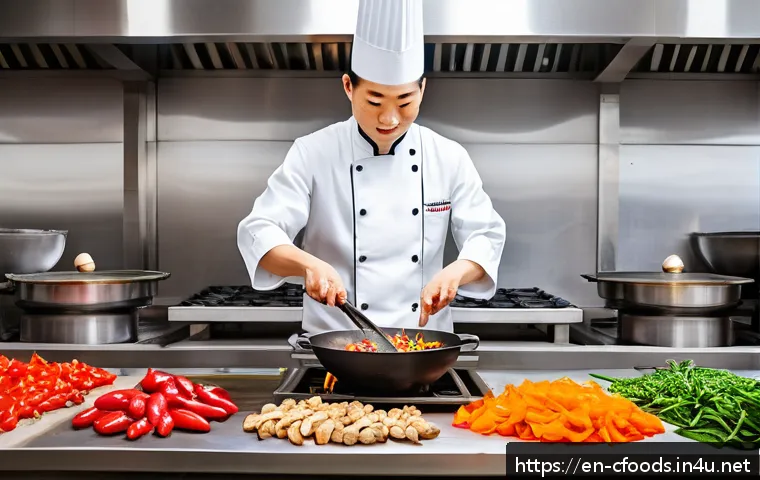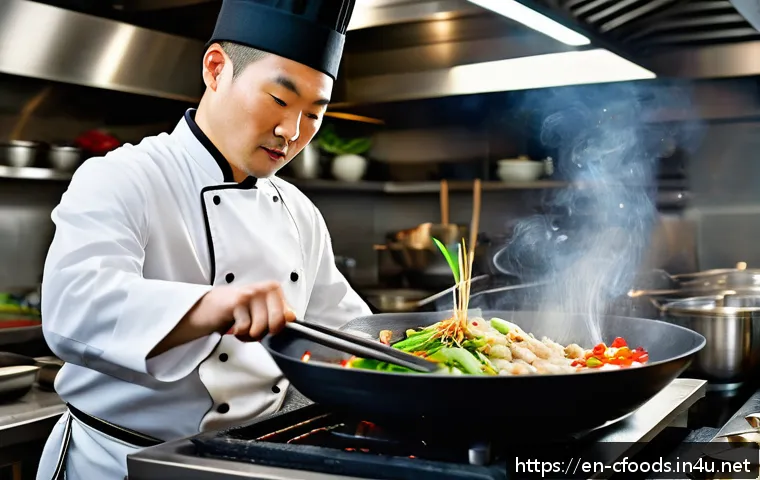
In today’s competitive food industry, standing out requires more than just passion—it demands recognized skills and certifications. With the rising global appetite for authentic Chinese cuisine, holding a Chinese culinary certification can open doors you never imagined.
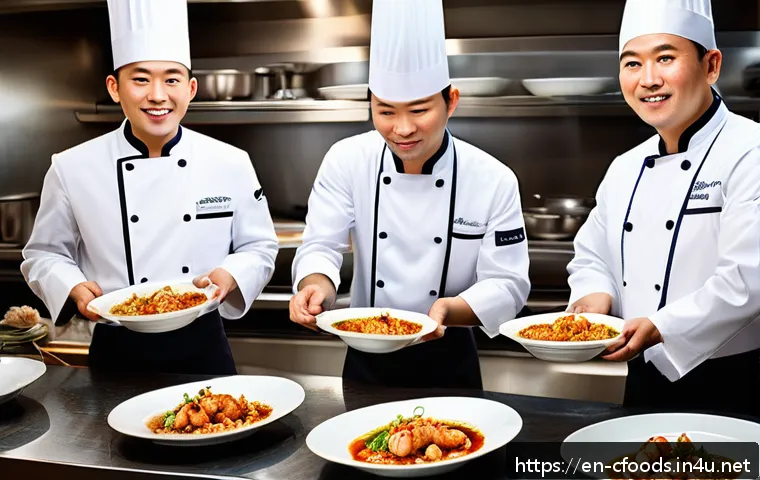
Whether you’re an aspiring chef or a seasoned professional, this credential not only validates your expertise but also significantly boosts your employability.
I’ve seen firsthand how such certifications can transform career trajectories, making candidates more attractive to top restaurants and culinary institutions.
Let’s explore how investing in this specialized qualification can skyrocket your job prospects and set you apart in a bustling market.
Unlocking Career Opportunities with Specialized Culinary Credentials
Why Employers Value Certified Chinese Cuisine Experts
When you walk into a kitchen as a certified Chinese cuisine chef, you’re not just another candidate with a resume. Employers see certification as proof of dedication and mastery of complex techniques that go beyond basic cooking skills.
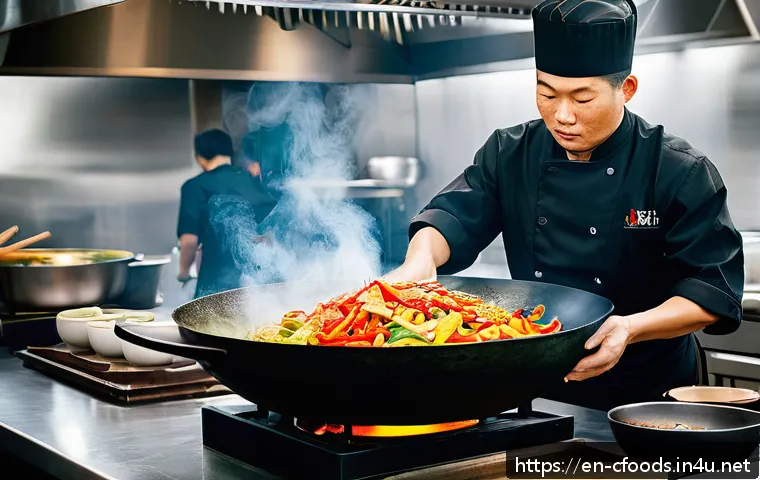
From mastering wok tossing to balancing the subtle flavors of Sichuan peppercorn or Cantonese dim sum, a certificate signals that you’ve invested time and effort to truly understand authentic Chinese culinary arts.
This often leads to higher trust from hiring managers and a preference over uncertified applicants. Personally, I’ve noticed chefs with certifications tend to get promoted faster because they bring a level of consistency and expertise that restaurants crave.
How Certification Opens Doors to High-End and International Kitchens
Certified chefs often find themselves considered for positions in upscale Chinese restaurants and even global hotel chains seeking authentic culinary talent.
These establishments prioritize chefs who can deliver traditional dishes with authenticity and precision. Having this credential can also be a gateway to international opportunities, especially in cities where Chinese cuisine is booming.
I’ve witnessed colleagues land roles abroad simply because their certifications validated their skills in a way that resumes alone couldn’t. It’s like having a passport that proves you belong to a specialized community of culinary experts.
Standing Out in a Crowded Market with a Recognized Qualification
The food industry is crowded, and competition is fierce. A certification in Chinese culinary arts differentiates you from hundreds of other applicants who may only have informal experience.
It’s tangible proof that you’ve met a rigorous standard. In my experience, this kind of credential can tip the scales when employers are deciding between candidates with similar backgrounds.
It not only boosts your credibility but also builds confidence in your ability to deliver consistently excellent dishes under pressure.
Developing In-Demand Skills Beyond Basic Cooking
Mastering Traditional Techniques That Impress Employers
A certification program often covers critical skills like knife handling, wok techniques, and ingredient preparation that are essential to authentic Chinese cuisine.
These aren’t skills you pick up overnight or just by watching videos. They require hands-on practice and expert guidance. I recall how difficult it was to master the balance of flavors in dishes like Mapo Tofu or Char Siu, and having structured training made a huge difference in speeding up my learning curve.
Employers appreciate candidates who have these refined skills because it means less time on retraining and more time delivering quality food.
Understanding Regional Chinese Flavors and Ingredients
Chinese cuisine is incredibly diverse—from spicy Hunan dishes to the delicate seafood flavors of Fujian. Certification programs typically include deep dives into regional cooking styles, ingredient sourcing, and flavor profiles.
This knowledge allows chefs to adapt menus creatively while maintaining authenticity. From my own experience, understanding these nuances has been a game-changer when working in multicultural kitchens, enabling me to suggest menu tweaks that resonate with local palates without losing traditional essence.
Food Safety and Hygiene as a Competitive Advantage
Food safety is a non-negotiable in any professional kitchen, and certification programs emphasize this heavily. Beyond just culinary skills, certified chefs demonstrate their commitment to maintaining the highest hygiene standards, which is a significant plus for employers.
I’ve seen how kitchens run more smoothly and confidently when staff are certified in food safety protocols—it reduces risk and builds customer trust, which is invaluable for any restaurant’s reputation.
Boosting Your Salary Potential and Career Growth
How Certification Influences Salary Negotiations
Having a recognized certification often gives you leverage when negotiating salaries. Employers see certified chefs as investments who bring proven skills and reliability, which can translate into higher pay.
From my conversations with industry peers, those holding Chinese culinary certifications consistently report better starting salaries and more frequent raises compared to uncertified cooks.
This credential can be your ticket to not settling for entry-level wages and aiming higher from the get-go.
Pathways to Leadership and Specialized Roles
Beyond just cooking, certification can pave the way toward supervisory or specialized roles like kitchen manager, menu developer, or culinary instructor.
These positions demand deep technical knowledge combined with leadership skills, which many certification courses incorporate through advanced modules.
I’ve personally transitioned from line cook to sous chef after completing my certification, and the structured learning played a key role in preparing me for the responsibilities that come with leadership.
Continuing Education and Networking Opportunities
Certification programs often connect you with industry professionals, mentors, and alumni networks that can be valuable throughout your career. These connections provide ongoing learning opportunities and open doors to collaborations, competitions, and job openings that might not be advertised publicly.
Networking within these circles has helped me discover unique job offers and gain insights into evolving culinary trends that keep me ahead in the market.
Understanding the Certification Process and Its Commitment
What to Expect During Training and Exams
Certification isn’t just about attending classes; it involves rigorous practical and theoretical assessments. Expect to spend weeks, sometimes months, learning everything from ingredient identification to plating techniques and kitchen safety.
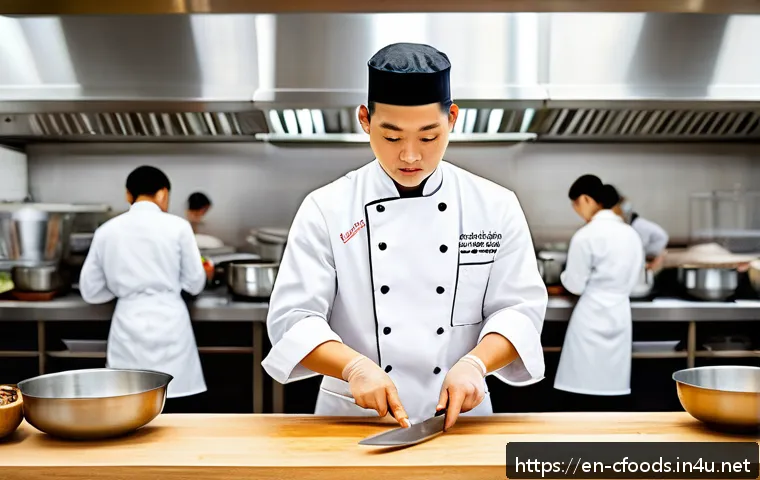
The exams often include live cooking tests where precision and timing are judged closely. Having gone through this myself, I can attest that the process is intense but immensely rewarding, pushing you to refine your skills to a professional standard.
Balancing Certification with Work and Personal Life
One challenge many face is managing certification courses alongside their current jobs or personal commitments. It requires dedication and good time management.
I found that setting a consistent study schedule and practicing skills during off-hours made the experience manageable. The investment in time pays off because the credential significantly enhances your professional profile and future earnings.
Costs and Financial Planning for Certification
The financial investment varies by program but typically includes tuition, materials, and exam fees. While it may seem like a hefty upfront cost, many find it worthwhile considering the potential salary boost and career opportunities.
Some employers even offer support or reimbursement for certification if you commit to working with them post-certification. Planning your budget carefully and exploring scholarships or financing options can make this investment more accessible.
Comparing Popular Chinese Culinary Certification Programs
Key Features and Recognition
Choosing the right certification depends on factors like curriculum depth, industry recognition, and geographic relevance. Some programs focus heavily on traditional regional dishes, while others emphasize modern techniques and fusion cuisine.
I’ve researched multiple options and found that those accredited by reputable culinary associations tend to carry more weight with employers.
Duration and Learning Formats
Programs range from intensive short courses lasting a few weeks to comprehensive certifications spanning several months. Many offer flexible learning formats, including in-person, online, or hybrid classes, which can accommodate working professionals.
Personally, I opted for a hybrid model that allowed me to practice hands-on skills during weekends while studying theory online during the week.
Post-Certification Support and Job Placement
Some certification bodies provide career services like job placement assistance, resume reviews, and interview coaching. This support can be invaluable, especially if you’re transitioning into a new culinary market.
When I completed my program, having access to their job board helped me land interviews at several prestigious restaurants.
| Certification Program | Duration | Focus Areas | Delivery Mode | Industry Recognition | Job Placement Support |
|---|---|---|---|---|---|
| International Chinese Culinary Institute | 6 months | Traditional & Regional Dishes, Food Safety | Hybrid | High | Yes |
| Asian Culinary Arts Academy | 3 months | Modern Techniques, Fusion Cuisine | Online | Medium | No |
| Global Chef Certification | 4 months | Authentic Recipes, Kitchen Management | In-Person | High | Yes |
Leveraging Your Certification for Long-Term Success
Building a Personal Brand as a Chinese Cuisine Expert
Certification gives you a strong foundation, but building your reputation requires ongoing effort. Sharing your cooking journey on social media, participating in culinary contests, and teaching workshops can position you as an expert.
I’ve found that combining certification with personal branding helps attract more job offers and freelance opportunities.
Adapting to Trends While Honoring Tradition
The culinary world is constantly evolving, but authenticity remains key in Chinese cuisine. Certified chefs are better equipped to innovate thoughtfully by understanding the roots of traditional dishes.
This balance of respect for tradition and creative adaptation is something I’ve personally practiced, which has helped me stay relevant and sought after by forward-thinking restaurants.
Continuing Skill Development Beyond Certification
Certification is a milestone, not the finish line. The best chefs keep learning new techniques, experimenting with ingredients, and refining their craft.
Attending workshops, reading culinary research, and networking with peers keeps skills sharp and opens new opportunities. This mindset has been crucial in my career growth and is something every certified chef should embrace.
Conclusion
Obtaining specialized culinary certification in Chinese cuisine is a powerful step toward advancing your career. It not only validates your skills but also opens doors to exclusive job opportunities and higher earning potential. With dedication and continuous learning, certified chefs can confidently navigate the competitive culinary landscape and build lasting success.
Helpful Information
1. Certification signals expertise and commitment, making you more attractive to employers.
2. Many programs offer flexible learning formats to fit around busy schedules.
3. Food safety knowledge gained through certification enhances kitchen efficiency and customer trust.
4. Networking opportunities through certification bodies can lead to unique job openings.
5. Financial planning is key, but many employers support or reimburse certification costs.
Key Takeaways
Specialized culinary certifications provide a clear advantage by demonstrating mastery of authentic techniques and regional flavors. They improve your credibility, salary prospects, and chances for leadership roles. Balancing certification with work and life demands commitment, but the long-term benefits make it worthwhile. Selecting a reputable program that offers post-certification support can significantly boost your career trajectory.
Frequently Asked Questions (FAQ) 📖
Q: uestionsQ1: How does obtaining a Chinese culinary certification improve my chances of getting hired in top restaurants?
A: Earning a Chinese culinary certification proves your specialized skills and knowledge in authentic Chinese cuisine, which many employers highly value.
From my experience, certified chefs stand out during recruitment because they demonstrate a verified commitment to mastering traditional techniques and flavors.
This often leads to faster hiring and better job offers compared to candidates without formal credentials.
Q: Is a Chinese culinary certification suitable only for beginners, or can experienced chefs benefit too?
A: Absolutely, both beginners and seasoned chefs gain from this certification. For newcomers, it lays a solid foundation and boosts credibility. For experienced professionals, it validates years of practice with formal recognition, often leading to promotions or opportunities in prestigious kitchens.
I’ve seen many seasoned chefs use this credential to pivot their careers or secure higher-level positions.
Q: What should I consider before enrolling in a Chinese culinary certification program?
A: Before enrolling, think about the program’s reputation, curriculum focus, and whether it aligns with your career goals. Look for courses that balance hands-on training with theory and offer exposure to authentic ingredients and cooking methods.
Personally, choosing a well-established program with industry connections made a huge difference in my job search and skill development. Also, consider the time and financial investment to ensure it fits your schedule and budget.