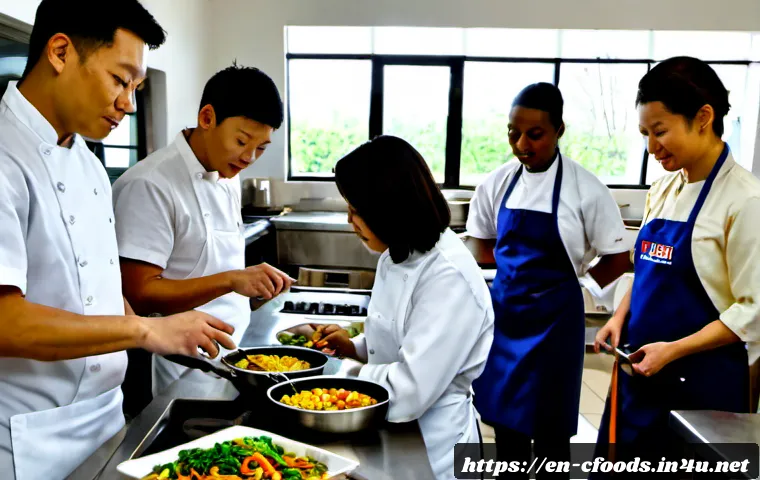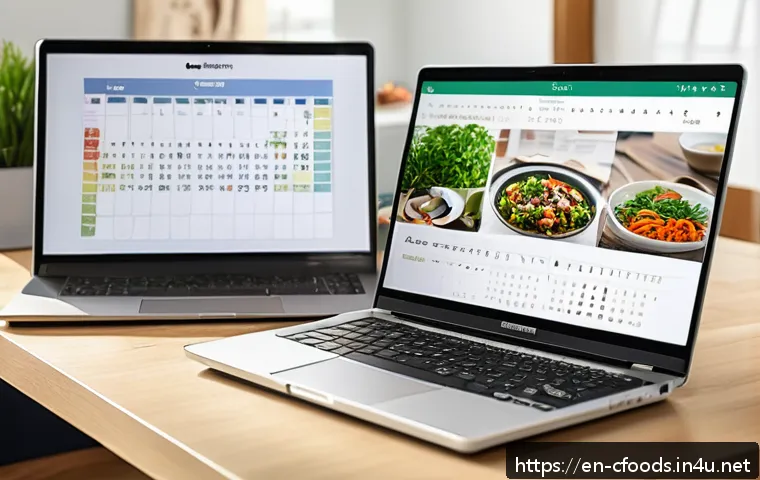
Keeping track of your Chinese Culinary Certification exam dates can feel overwhelming, especially with busy schedules and evolving testing formats. Lately, with more aspiring chefs diving into authentic Chinese cuisine, staying organized is key to success.
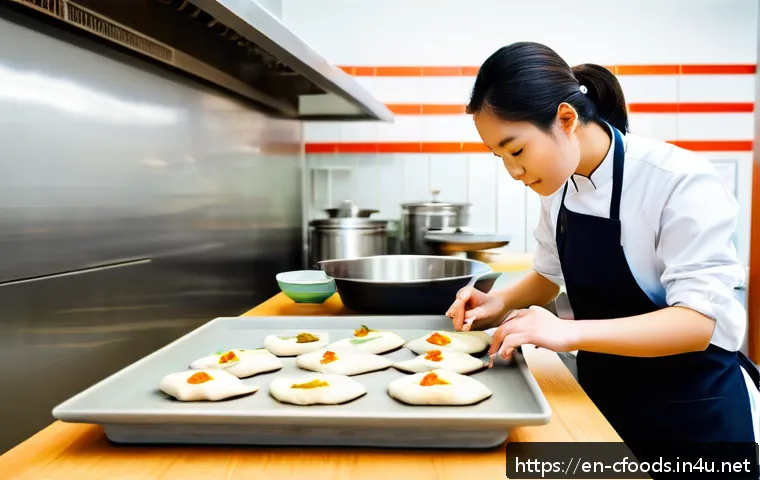
Whether you’re a seasoned cook or just starting out, having a reliable system to monitor deadlines can make all the difference. In this post, I’ll share practical tips and tools that helped me streamline the process effortlessly.
Ready to master your exam timeline like a pro? Let’s dive in and simplify your path to certification.
Organizing Your Exam Schedule with Digital Tools
Utilizing Calendar Apps to Stay Ahead
Keeping your Chinese Culinary Certification exam dates front and center on your calendar app can be a game-changer. I personally rely on Google Calendar because it syncs seamlessly across my phone and laptop, ensuring I never miss an update.
Setting multiple reminders—like a week before, three days prior, and on the exam day itself—helps me mentally prepare and avoid last-minute stress. Plus, color-coding these dates differentiates them from other appointments, making the exam timeline visually distinct and easier to track.
Leveraging Reminder and To-Do List Apps
Sometimes calendar apps alone don’t cut it, especially when you have multiple tasks leading up to your exam. That’s where to-do list apps like Todoist or Microsoft To Do come in handy.
I create a checklist of study milestones, registration deadlines, and practice sessions, ticking them off as I go. This system builds a satisfying sense of progress and keeps me motivated.
The ability to prioritize tasks also ensures I focus on critical prep steps without feeling overwhelmed.
Syncing Across Devices for Consistency
One pitfall I encountered early on was inconsistent updates across devices. To avoid this, I make sure all my digital tools sync in real time. For example, if I add a new exam-related event on my phone, it instantly appears on my desktop and tablet.
This consistency prevents accidental double bookings or missed changes and lets me plan my study time effectively, no matter where I am.
Creating a Personalized Study Timeline
Breaking Down the Exam Content
The Chinese Culinary Certification covers a lot of ground—from knife skills to regional flavor profiles—so chunking the material into manageable sections is crucial.
I start by listing all the topics and then estimating how much time each requires based on my strengths and weaknesses. For instance, I spent more time mastering dim sum techniques because I wasn’t as confident there, while brushing up quickly on stir-frying basics.
This targeted approach made my study sessions more efficient and less intimidating.
Setting Realistic Deadlines for Each Phase
Once I had my topics mapped out, I assigned deadlines for each study phase—initial review, hands-on practice, and mock exams. I built in buffer days to accommodate unexpected delays like work commitments or family events.
This flexibility was a lifesaver, preventing burnout and keeping me on track without feeling pressured. It’s important to treat your study timeline as a living document that evolves with your pace and circumstances.
Incorporating Rest and Review Days
I learned the hard way that cramming doesn’t work well for culinary skills that require muscle memory and sensory refinement. Incorporating rest days and spaced reviews helped consolidate what I learned.
For example, after a week focused on sauces, I’d dedicate a day to revisiting techniques and tasting tests, which reinforced my retention. These breaks also kept my enthusiasm alive, preventing the study process from feeling like a grind.
Tracking Important Dates and Deadlines Efficiently
Using a Centralized Exam Schedule Table
To avoid juggling multiple sources of information, I created a centralized table to track all critical dates—from registration openings to final exam days.
This table became my go-to reference, updated as soon as new announcements came out. Having everything in one place reduced anxiety and helped me plan study intensity around key milestones.
Understanding Registration and Payment Windows
Keeping an eye on registration deadlines and payment schedules is essential to avoid missing out. I found that exam boards often have strict cutoffs, and late registration usually isn’t an option.
Tracking these windows ahead of time gave me peace of mind and allowed me to focus fully on preparation rather than administrative hassles.
Monitoring Changes in Exam Formats or Policies
In recent years, exam formats have evolved—sometimes including more practical components or updated scoring rubrics. Staying informed through official newsletters or forums helped me adjust my prep strategy accordingly.
For example, when the oral exam section was introduced, I added specific practice sessions for verbal communication of cooking processes, which proved invaluable on test day.
| Key Exam Date | Typical Timeframe | Notes |
|---|---|---|
| Registration Opens | 3-4 months before exam | Mark this early to secure a spot |
| Registration Deadline | 1-2 months before exam | Late fees usually apply after this date |
| Study Milestone 1 (Theory) | 2 months before exam | Complete initial content review |
| Study Milestone 2 (Practical Skills) | 1 month before exam | Focus on hands-on practice |
| Mock Exam | 2 weeks before exam | Simulate exam conditions |
| Final Exam Date | Varies by region | Confirm exact date on official site |
Building Accountability with Study Groups and Mentors
Joining Online Communities for Support
Connecting with fellow candidates in online forums or social media groups created a shared sense of accountability. When I posted my study goals and updates, it motivated me to stay consistent because others were tracking my progress.
Plus, these communities are treasure troves of tips, resources, and encouragement, especially when exam anxiety kicks in.
Scheduling Regular Check-ins with a Mentor
Having a mentor—whether a seasoned chef or previous certification holder—provided invaluable personalized feedback. We set weekly check-ins to discuss my progress and adjust study strategies.
Their insider knowledge on exam expectations and common pitfalls kept me focused and confident. If you don’t have direct access to a mentor, some culinary schools or local cooking clubs offer guidance that’s worth exploring.
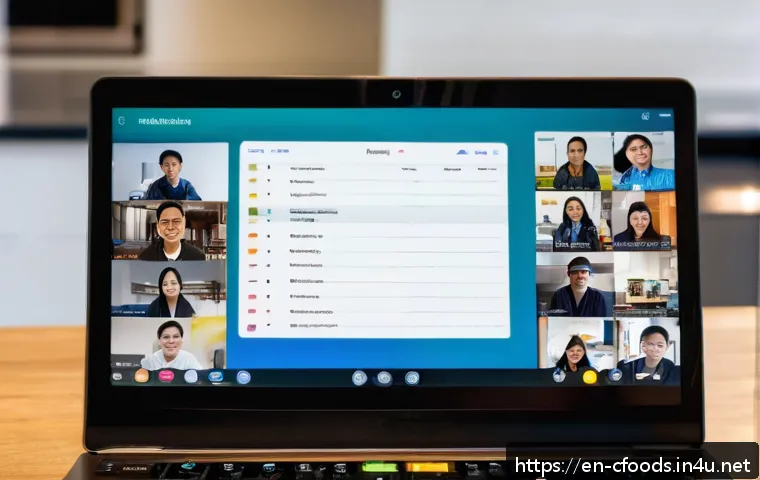
Using Accountability Tools Like Shared Calendars
Sharing a calendar with your study group or mentor adds an extra layer of commitment. I used a shared Google Calendar to post study sessions and mock exam dates.
Knowing others could see my schedule pushed me to stick to it, and it made coordinating group practice easier. This transparency builds a supportive environment where everyone benefits from collective motivation.
Adapting to Last-Minute Changes and Updates
Subscribing to Official Notification Channels
Exam boards sometimes announce sudden changes—like date shifts or format updates—especially in unpredictable times. Subscribing to official email newsletters, social media channels, or SMS alerts kept me instantly informed.
This proactive approach allowed me to pivot my plans quickly without scrambling.
Keeping a Flexible Study Mindset
Despite careful planning, unexpected events can throw off your schedule. I found that maintaining a flexible mindset helped me bounce back faster. For example, when a registration deadline was extended unexpectedly, I adjusted my timeline to deepen preparation rather than rushing.
Flexibility isn’t about slacking off; it’s about adapting smartly to maximize your performance.
Maintaining a Backup Plan
I always kept a backup plan for study and exam dates in case of conflicts or cancellations. This included alternative practice venues, online study options, and even backup exam sessions if available.
Having this safety net reduced stress and gave me confidence that I could still meet my certification goals under changing circumstances.
Maximizing Your Exam Preparation Efficiency
Prioritizing High-Impact Study Activities
Not all study tasks yield the same results. From my experience, focusing on practical skill drills and tasting exercises had a bigger impact than passive reading.
I scheduled these activities during my peak energy hours—usually mornings—and reserved evenings for theory review. This prioritization boosted my retention and made my prep feel more dynamic.
Tracking Progress with Self-Assessments
Regular self-assessments helped me identify weak spots early and adjust focus accordingly. I used practice tests and timed cooking challenges to simulate exam pressure.
This realistic practice improved my confidence and helped me manage time effectively during the actual exam.
Incorporating Feedback Loops
I sought feedback from peers and mentors after every mock test or practice session. Constructive critiques helped me refine techniques and correct mistakes before they became habits.
Creating this feedback loop was key to continuous improvement and ultimately passing the exam with flying colors.
In Conclusion
Organizing your exam schedule with digital tools can transform your preparation experience, making it more manageable and less stressful. By breaking down tasks, setting realistic deadlines, and staying flexible, you can maintain steady progress and confidence. Remember, the right planning combined with support from peers and mentors creates a strong foundation for success. Stay proactive and keep adapting as you move closer to your certification goal.
Helpful Tips to Keep in Mind
1. Use calendar and reminder apps to keep all important dates visible and well-organized throughout your study journey.
2. Break down your study material into smaller, targeted sections to improve focus and reduce overwhelm.
3. Build in rest and review days to help consolidate knowledge and maintain motivation.
4. Engage with study groups or mentors to boost accountability and gain valuable feedback.
5. Stay updated on any exam changes by subscribing to official notifications, and always have a backup plan ready.
Key Takeaways
Effective exam preparation relies on thorough scheduling, consistent tracking of deadlines, and flexible adaptation to unexpected changes. Leveraging digital tools ensures you never miss critical dates while breaking study content into manageable parts enhances learning efficiency. Support networks and regular feedback are essential for sustained motivation and skill refinement. Above all, maintaining a balanced approach with built-in rest and realistic goals helps prevent burnout and maximizes your chances of success.
Frequently Asked Questions (FAQ) 📖
Q: uestionsQ1: How can I effectively keep track of my Chinese Culinary Certification exam dates without getting overwhelmed?
A: From my experience, the best way to stay on top of your exam schedule is to use a combination of digital calendars and reminder apps. Setting multiple alerts weeks and days before the exam helps prevent last-minute surprises.
I personally use Google Calendar synced across all my devices, which makes it easy to check deadlines anytime, even on the go. Additionally, keeping a dedicated notebook or planner for your culinary goals adds a tactile element that reinforces your commitment and helps reduce stress.
Q: What tools or apps do you recommend for managing multiple exam dates and updates?
A: I’ve tried several apps, but the ones that stood out were Trello and Todoist because they allow you to create boards or lists specifically for your certification journey.
Trello’s visual layout helped me track different stages like study topics, practice sessions, and exam dates all in one place. Todoist’s task prioritization features made it easy to focus on what needed immediate attention.
Both apps send timely notifications, which was a lifesaver when juggling work and study. Combining these with a simple calendar app creates a foolproof system.
Q: How do I stay motivated and organized when exam formats or schedules change unexpectedly?
A: This is a challenge many face, and I’ve learned that flexibility paired with a clear plan is key. When changes occur, I immediately update my tracking tools and adjust my study plan accordingly.
Staying connected with online forums or official certification websites provides the latest info and a sense of community support. Also, breaking down your preparation into smaller, manageable goals keeps motivation high.
Celebrating these small wins, like mastering a cooking technique or passing a practice test, made the whole process feel less daunting and more rewarding.