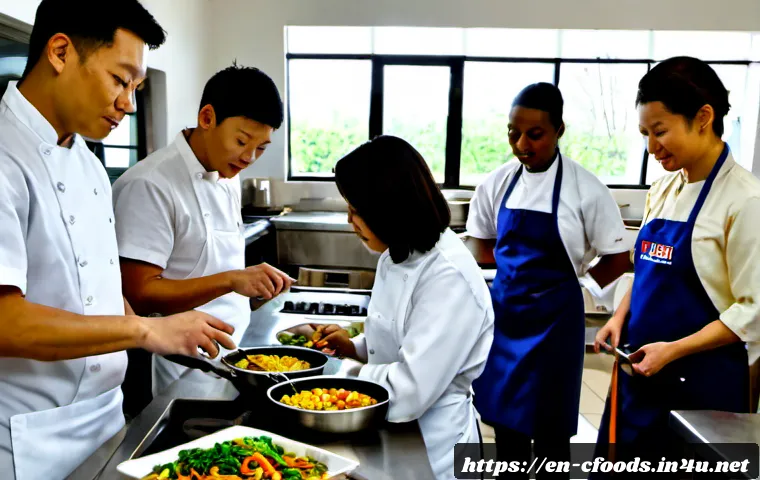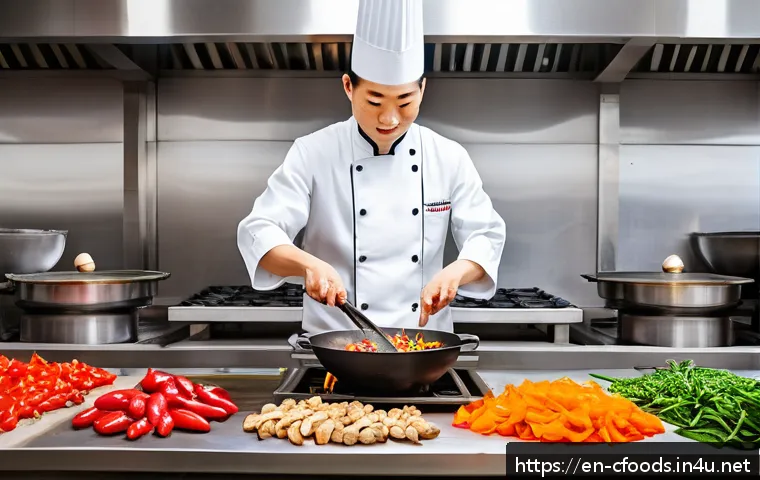
With the surge in popularity of authentic Chinese cuisine worldwide, aspiring chefs are eager to master the art and earn their professional certification.
But beyond passion and technique, having the right kitchen tools can make all the difference in both learning and execution. Whether you’re prepping for a culinary exam or simply aiming to elevate your skills, investing in essential equipment tailored for Chinese cooking is a game-changer.
In this post, I’ll walk you through the must-have tools that not only streamline your workflow but also help you achieve that certification success with confidence.
Stick around to discover how the right gear can transform your cooking journey!
Essential Knives and Cutting Tools for Precision
Choosing the Right Chef’s Knife
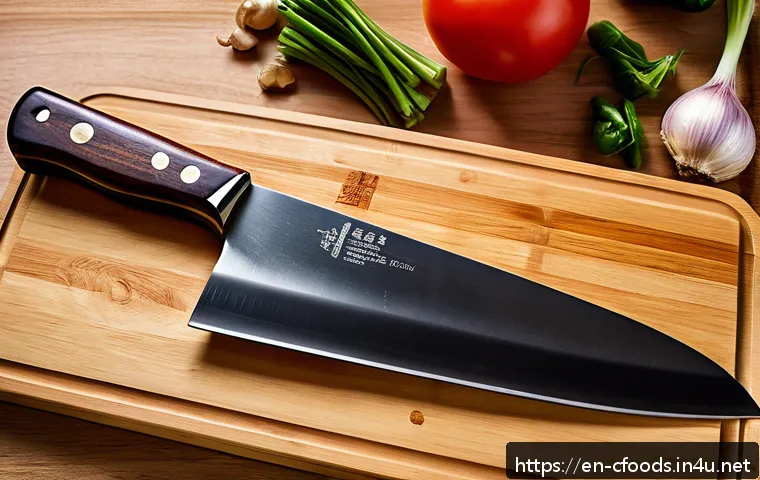
When it comes to authentic Chinese cooking, the cleaver-style chef’s knife is an absolute staple. Unlike Western chef’s knives, these Chinese cleavers have a broad, rectangular blade that’s surprisingly versatile.
I remember when I first switched from a Western chef’s knife to a Chinese cleaver; the difference was night and day. The broad blade isn’t just for chopping — it also doubles as a scoop to transfer ingredients from cutting board to wok, which speeds up the cooking process significantly.
For certification exams, precision and speed are both crucial, and this knife hits the sweet spot perfectly. Look for one with a high-carbon stainless steel blade for sharpness and durability, and a comfortable handle that fits your grip well because you’ll be slicing and dicing for hours.
Specialty Knives for Delicate Tasks
Beyond the cleaver, having a paring knife and a boning knife can make your prep work smoother, especially when dealing with intricate ingredients like ginger, garlic, or small vegetables.
A paring knife allows for detailed peeling and trimming, while a boning knife helps when you need to remove skin or bones from poultry and fish cleanly.
I’ve found that these tools save so much frustration during intense practice sessions, making your knife skills look polished and professional — exactly what the examiners are looking for.
Sharpening and Maintenance Essentials
No matter how good your knives are, dull blades can ruin the cooking flow and even be unsafe. Investing in a whetstone or a quality sharpening steel is a must.
Personally, I sharpen my knives before every practice session, and it’s remarkable how much more confident I feel when the blade glides effortlessly through ingredients.
Plus, a sharp knife helps you maintain consistent cuts, which is often a scoring point in culinary certifications. Don’t forget to oil wooden handles regularly and dry your knives properly to extend their lifespan.
Cookware That Elevates Flavor and Technique
The Irreplaceable Wok
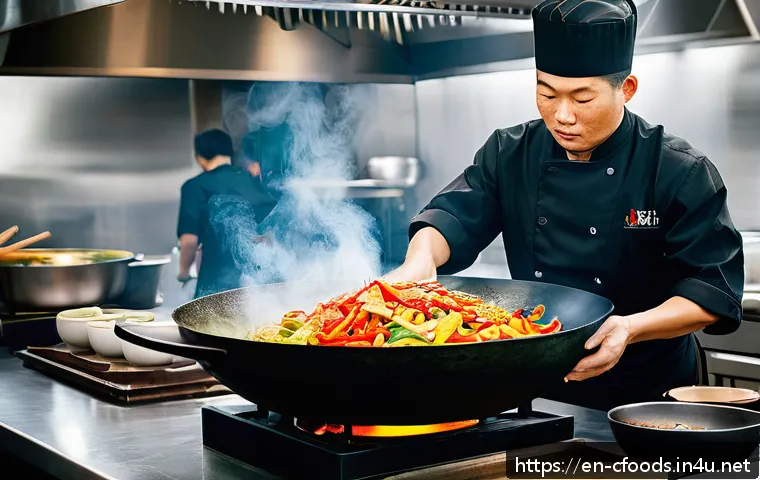
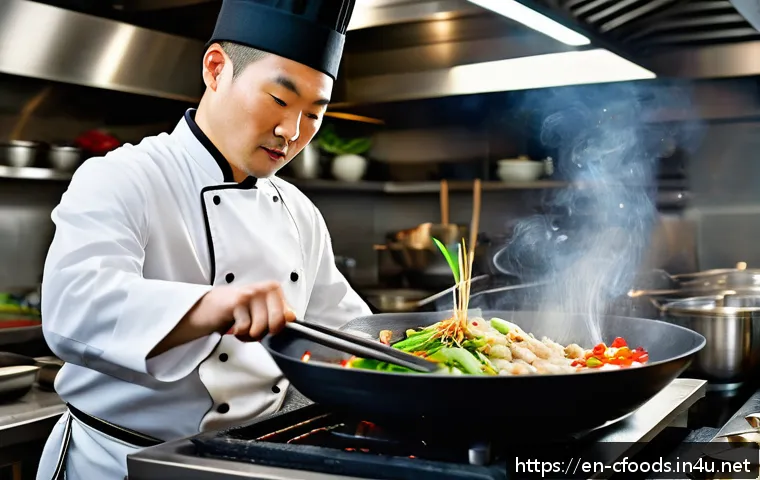
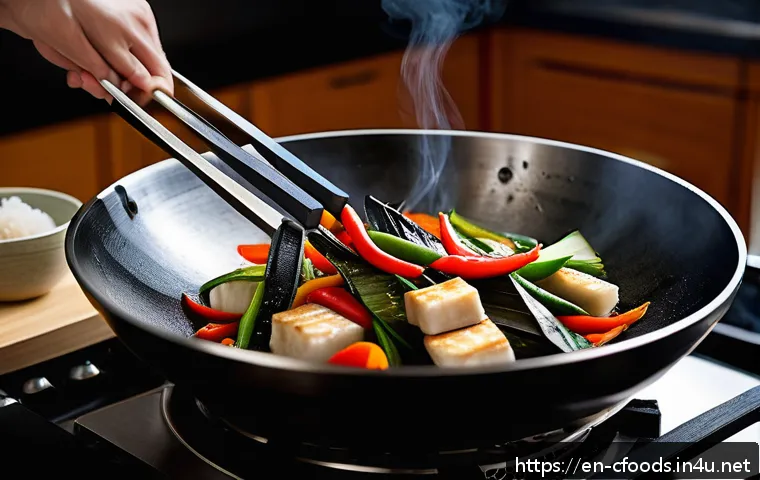
If there’s one piece of equipment that screams “Chinese cooking,” it’s the wok. Mastering stir-frying, steaming, and even deep-frying all hinge on having a wok that distributes heat evenly.
I recommend a carbon steel wok for beginners and professionals alike because it heats quickly and develops a natural non-stick patina over time. When I first started using a wok, I struggled with uneven cooking, but once I got the hang of controlling the heat and seasoning the wok, my dishes tasted so much more authentic.
For certification, judges often look at your wok skills, so practicing with the right wok is crucial.
Steamer Baskets for Dim Sum and More
Steaming is a fundamental technique in Chinese cuisine, especially for dim sum and delicate vegetables. Bamboo steamers are traditional and add an authentic touch, but metal stackable steamers can be more practical for daily use and exam prep.
I personally use bamboo steamers for their aroma and presentation, but metal steamers offer more capacity when cooking multiple items simultaneously. Knowing when and how to use each type can impress your examiners and elevate your cooking game.
Heavy-Bottomed Pots for Soups and Braises
Slow-cooked soups and braised dishes require pots that retain heat well and distribute it evenly. A heavy-bottomed stainless steel or cast iron pot can be a real asset.
I’ve found that soups like hot and sour or braised pork belly develop richer flavors when cooked in these pots because they allow gentle simmering without scorching.
For certification, demonstrating patience and proper technique with these dishes is essential, and having the right pot makes that possible.
Precision Tools to Perfect Your Prep
Measuring Tools for Consistency
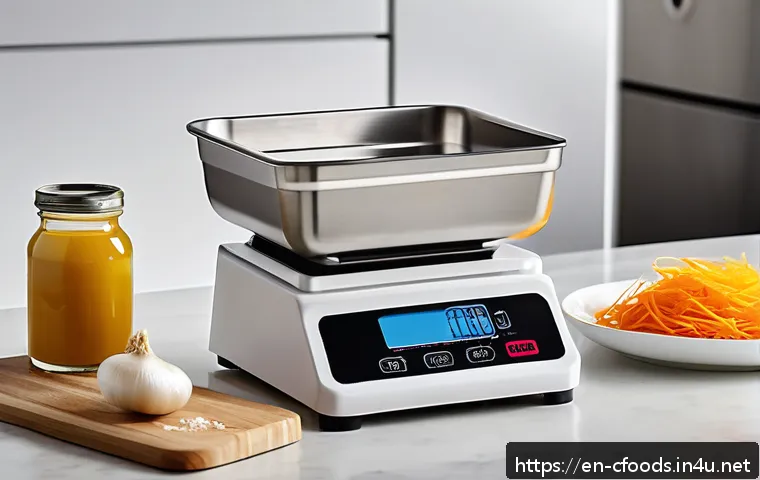
Even though Chinese cooking often relies on experience and intuition, certification exams demand precision. Digital kitchen scales and liquid measuring cups help you replicate recipes accurately.
I used to eyeball ingredients and ended up with inconsistent results, but once I started measuring everything properly, my dishes became reliable every time.
This consistency is a huge confidence booster during exams where every point counts.
Mandoline Slicers for Uniform Cuts
Uniformity in ingredient size affects cooking times and presentation. Mandoline slicers allow you to slice vegetables like daikon, cucumbers, and carrots evenly and quickly.
During my early training days, using a mandoline saved me so much time and helped me maintain clean presentation standards. However, always use the safety guard to avoid accidents, especially under exam pressure.
Mixing Bowls and Prep Containers
Having a set of stainless steel or glass mixing bowls in various sizes can streamline your workflow. They’re perfect for marinating, mixing sauces, and organizing prepped ingredients.
I usually line up my bowls before cooking sessions to keep everything neat and accessible. This habit not only helps during certification tests but also makes your cooking process much more enjoyable and efficient.
Heat Control and Cooking Surfaces
High-BTU Burners for Authentic Stir-Frying
Chinese cooking techniques like wok hei (the charred aroma) depend heavily on intense, quick heat. Gas burners that deliver high BTUs are ideal, as they allow rapid temperature changes.
When I upgraded my stove to a higher BTU burner, I noticed my stir-fries came out with better texture and flavor. For those preparing for certification, having the right heat source can make a huge difference in executing traditional techniques correctly.
Flat Griddles for Pancakes and Buns
Cooking items like scallion pancakes or steamed buns sometimes requires a flat surface rather than a wok. A cast-iron griddle or flat pan provides even heat distribution and a great crust.
I personally love using a flat griddle when making these dishes because it gives me more control over browning and texture. Practicing on this surface will help you nail those specialty items during exams.
Non-Stick Pans for Delicate Ingredients
While the wok is king, certain delicate dishes benefit from non-stick pans, especially when working with eggs or tofu. I’ve found that a good non-stick pan prevents sticking and makes cleanup easier, which is a bonus when you’re juggling multiple tasks.
Having a non-stick pan in your arsenal means you can handle a wider range of dishes confidently.
Essential Utensils for Efficiency and Authenticity
Long-Handled Wok Spatulas and Ladles
Using the right utensils is crucial for safety and technique. Long-handled spatulas and ladles designed for wok use allow you to toss and stir ingredients without burning your hands.
When I first learned to stir-fry, having these utensils helped me develop the rhythm and control needed to cook evenly. Plus, they’re a must-have during exams where presentation and technique are judged closely.
Chopsticks for Cooking and Plating
Many people overlook the importance of cooking chopsticks. These longer, sturdier chopsticks are perfect for flipping, stirring, and plating delicate items.
I often use cooking chopsticks when handling noodles or small vegetables because they give me more precision than a spatula. For certification, demonstrating skill with chopsticks can be a subtle but impactful detail.
Strainers and Skimmers for Clarity
Clear broths and clean fried foods require tools like fine mesh strainers and skimmers. I remember struggling to get broth clarity until I started using a fine strainer consistently.
Skimmers help remove impurities and excess oil, which is essential for refined dishes. These tools not only improve taste but also show your attention to detail during exams.
Storage and Organization for a Smooth Workflow
Stackable Food Containers
Keeping prepped ingredients organized in stackable containers saves time and reduces clutter. I use clear, airtight containers so I can easily see contents and avoid cross-contamination.
This organization habit was a lifesaver during my certification prep, helping me stay calm and focused under time pressure.
Labeling and Timing Tools
Labeling containers with ingredient names and prep times ensures nothing gets overlooked, especially when juggling multiple dishes. I also use timers to monitor cooking stages precisely.
These small but effective tools help maintain consistency and prevent overcooking, which are critical factors in exam success.
Workstation Setup for Efficiency
Arranging your workspace logically — knives on one side, bowls on another, utensils within reach — speeds up your cooking and reduces stress. I learned this the hard way during my first exam attempt; a messy station cost me precious seconds.
A well-organized setup lets you flow smoothly through recipes and stay confident.
| Tool | Purpose | Recommended Material | Personal Tip |
|---|---|---|---|
| Chinese Cleaver | Chopping, slicing, scooping | High-carbon stainless steel | Keep it razor-sharp with a whetstone |
| Carbon Steel Wok | Stir-frying, steaming, frying | Carbon steel | Season regularly to build non-stick surface |
| Bamboo Steamer | Steaming dim sum and vegetables | Bamboo | Use with a wok or pot with simmering water |
| Mandoline Slicer | Uniform vegetable slicing | Stainless steel blade | Always use safety guard to avoid cuts |
| High-BTU Gas Burner | Quick, intense heat for wok hei | Gas with 15,000+ BTU | Adjust flame quickly for best control |
| Long-Handled Wok Spatula | Stir-frying and tossing ingredients | Stainless steel or bamboo handle | Practice fluid wrist movements for even cooking |
| Stackable Containers | Ingredient organization and storage | Clear plastic or glass | Label everything to avoid confusion |
In Conclusion
Mastering the right tools is essential for achieving precision and efficiency in authentic Chinese cooking. From selecting the perfect chef’s knife to organizing your workspace, each element contributes to both technique and confidence. With practice and the proper equipment, you’ll be well-prepared to impress in any culinary setting or certification exam.
Helpful Tips to Remember
1. Always prioritize knife sharpness; a well-maintained blade enhances both safety and cutting accuracy.
2. Choose cookware materials that suit your cooking style, like carbon steel woks for heat control and seasoning.
3. Consistent ingredient preparation with measuring tools and mandolines ensures uniform cooking and presentation.
4. Organize your workstation logically to reduce stress and improve workflow during busy cooking sessions.
5. Practice with authentic utensils such as long-handled spatulas and cooking chopsticks to refine your technique and presentation.
Key Takeaways
Investing in quality, versatile knives and maintaining their sharpness is fundamental for precision cutting. Using the right cookware, especially a seasoned carbon steel wok, elevates traditional Chinese cooking techniques. Consistency in ingredient measurement and preparation reflects professionalism and boosts exam performance. Efficient workstation setup and proper utensil use not only save time but also enhance cooking quality and safety. Lastly, regular tool maintenance extends their lifespan and keeps your culinary skills sharp and reliable.
Frequently Asked Questions (FAQ) 📖
Q: What are the essential kitchen tools I need to start mastering authentic Chinese cooking?
A: To truly dive into Chinese cuisine, you’ll want to have a few key tools that make a world of difference. A sturdy wok is non-negotiable—it’s versatile for stir-frying, steaming, and deep-frying.
A sharp Chinese chef’s knife, often called a cleaver, is essential for precise chopping and slicing. Don’t forget a bamboo steamer for delicate dishes like dumplings and buns.
Other handy tools include a spider skimmer for frying, a rolling pin for dough preparation, and a rice cooker to get that perfect fluffy rice every time.
Having these on hand not only boosts your confidence but also helps you replicate authentic textures and flavors with ease.
Q: How can investing in proper tools improve my chances of passing a professional Chinese culinary certification?
A: When preparing for a culinary exam, efficiency and technique are key, and the right tools are your secret weapon. Using a well-seasoned wok, for instance, allows you to achieve the high heat sear that’s crucial for many Chinese dishes, which examiners often look for.
Sharp, balanced knives speed up prep time and improve precision, making your knife skills stand out. When you’re comfortable with your equipment, you waste less time troubleshooting and more time focusing on flavor and presentation.
I’ve noticed firsthand that chefs who train with authentic tools tend to perform better because they develop muscle memory and cooking intuition that’s hard to replicate otherwise.
Q: Are there affordable options for these specialized Chinese cooking tools for beginners on a budget?
A: Absolutely! You don’t need to break the bank to get started. Many brands offer budget-friendly woks made from carbon steel, which season beautifully and last for years if cared for properly.
Instead of buying a high-end cleaver, look for a well-reviewed multipurpose chef’s knife that can handle most tasks. Bamboo steamers can be found inexpensively online or at local Asian markets.
Even basic rice cookers now come with multiple functions and affordable price tags. The key is to invest gradually—start with the essentials that fit your budget and upgrade as your skills and passion grow.
I found that starting modestly but focusing on quality over quantity made all the difference in my learning curve.