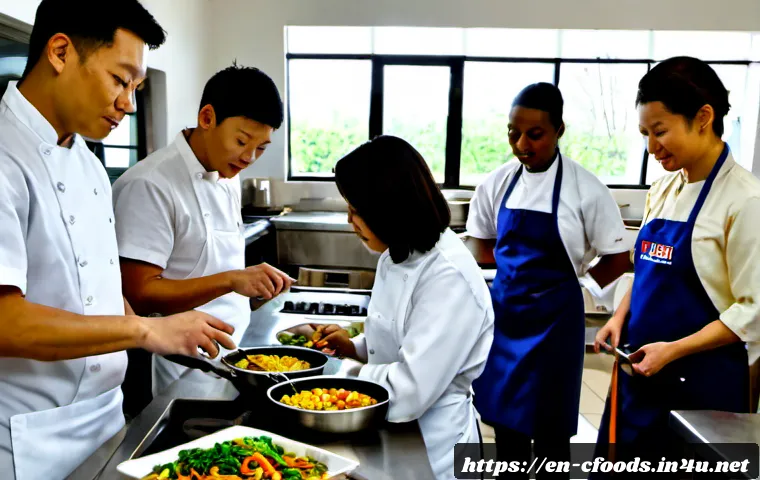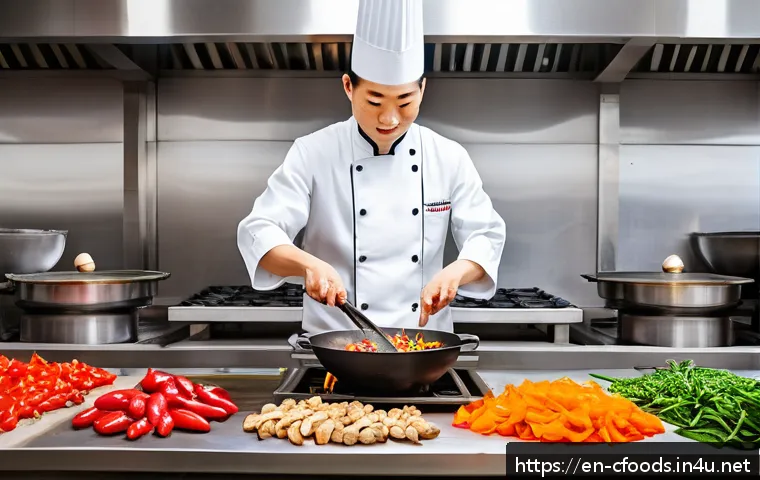
As the global appetite for authentic Chinese cuisine continues to soar, mastering a Chinese Culinary Certification has become an invaluable asset for aspiring chefs and food enthusiasts alike.
Whether you’re aiming to elevate your cooking skills or compete in high-stakes culinary contests, understanding the nuances of traditional techniques and flavors is crucial.
In this post, I’ll share insider tips and winning strategies that have helped many stand out in cooking competitions while deepening their expertise. If you’ve ever dreamed of creating mouthwatering dishes that impress judges and diners, stay tuned—this guide is packed with practical advice and real-world experience that will ignite your culinary journey.
Let’s dive into the secrets behind culinary mastery and competition success!
Unlocking Traditional Techniques for Authentic Flavors
Mastering the Art of Wok Hei
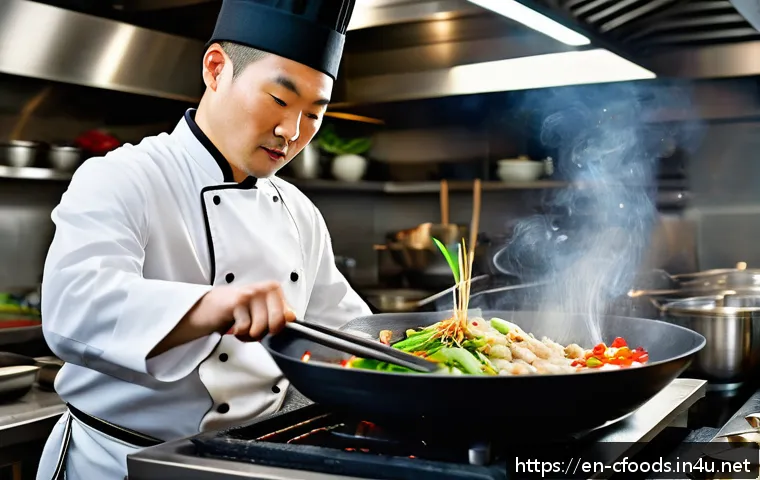
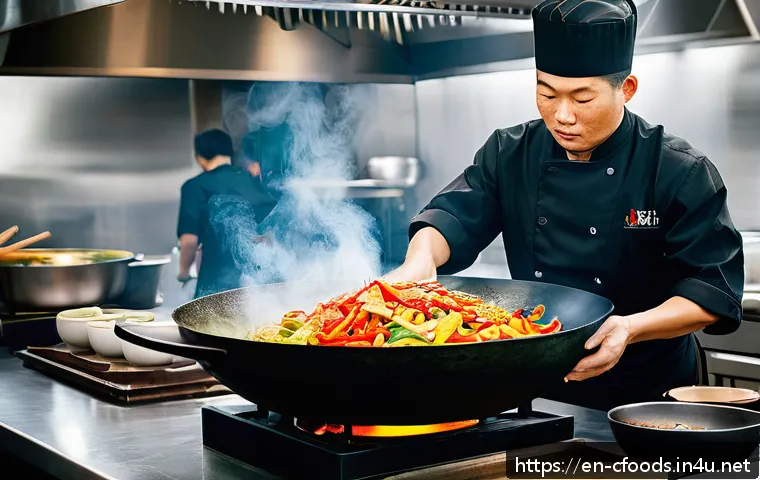
Wok hei, or the “breath of the wok,” is the elusive smoky aroma that defines great Chinese stir-fry. It’s not just about high heat; it’s about timing, the right oil, and rapid tossing to create that signature charred flavor without burning the ingredients.
From my own kitchen experiments, I found that preheating the wok until it’s almost smoking and then adding ingredients in quick succession is key. You also want to avoid overcrowding the pan, which traps steam and kills wok hei.
Achieving this balance requires practice and a bit of intuition, but once you nail it, your dishes immediately jump to the next level.
Balancing Five Fundamental Flavors
Chinese cuisine thrives on harmony between sweet, sour, salty, bitter, and umami. Understanding how to balance these in sauces and marinades is essential.
For instance, when making a classic sweet and sour sauce, I learned that using rice vinegar instead of white vinegar adds a subtle complexity. Similarly, incorporating fermented ingredients like black bean sauce or Shaoxing wine can deepen umami without overpowering the dish.
Experimenting with these flavor profiles in small batches helped me develop a palate that judges in competitions appreciate because the dish feels both authentic and well-rounded.
Perfecting Knife Skills for Precision and Speed
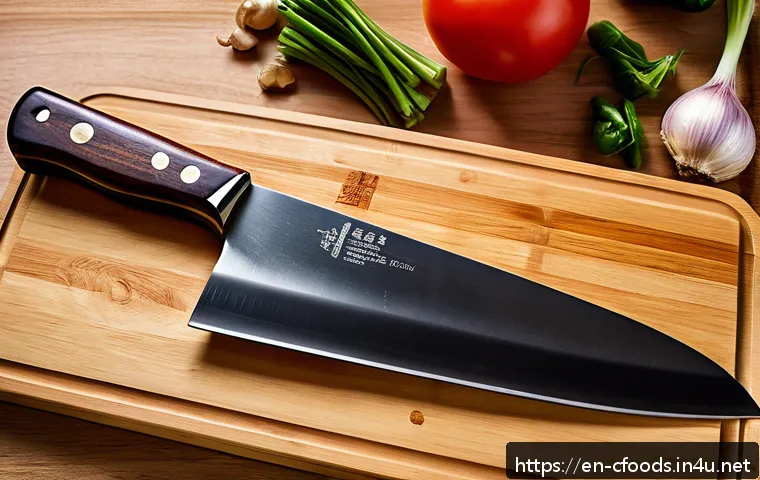
A chef’s knife skills are often overlooked but are crucial for consistency and presentation. I spent hours practicing classic cuts like julienne, chiffonade, and dice.
Precision isn’t just about looks; it affects cooking time and texture. For example, even slices of bamboo shoots or water chestnuts ensure even cooking and a pleasant crunch.
When I prepped for contests, this skill saved me precious seconds and made plating neater, impressing judges with both technique and professionalism.
Essential Ingredients and How to Source Them
Fresh vs. Dried: Knowing What to Use
Many traditional recipes call for dried ingredients like shiitake mushrooms, dried lily buds, or dried tofu skin. Knowing when to use fresh and when to rely on dried can change the authenticity and texture of a dish.
For example, dried shiitake mushrooms have a concentrated umami flavor that fresh ones lack, and soaking them correctly is vital to release those flavors fully.
Over the years, I’ve realized that sourcing high-quality dried goods from trusted Asian markets makes all the difference, especially when competing where judges can detect subtle flavor gaps.
Local Alternatives That Work
Depending on where you live, sourcing certain Chinese ingredients can be challenging. I’ve often substituted oyster sauce with homemade mushroom sauce to accommodate dietary restrictions or ingredient scarcity.
Fresh ginger and garlic are universal, but finding fresh Sichuan peppercorns was tricky until I found a specialty store that stocks them. When you can’t get exact ingredients, understanding the flavor purpose behind them helps you find a suitable local alternative without compromising authenticity.
Building a Pantry for Speed and Quality
A well-stocked pantry is a game-changer, especially for competitions where time is limited. I keep essentials like soy sauce, dark soy sauce, Shaoxing wine, sesame oil, and fermented black beans on hand.
Having these ready means I can whip up complex sauces quickly without sacrificing flavor. Organizing your pantry by frequency of use and expiry dates also prevents last-minute scrambles, letting you focus on cooking instead of hunting for ingredients.
Techniques to Impress Judges with Presentation and Taste
Layering Flavors Through Marination
Marination isn’t just about tenderizing meat; it’s about infusing layers of flavor that build complexity. My go-to marinade often includes soy sauce, a touch of sugar, Shaoxing wine, and white pepper.
I’ve noticed that letting proteins marinate for at least 30 minutes—sometimes overnight—makes a huge difference in the final dish’s depth. During contests, I timed my marinades perfectly to maximize flavor without slowing down prep.
Precision Cooking with Controlled Heat
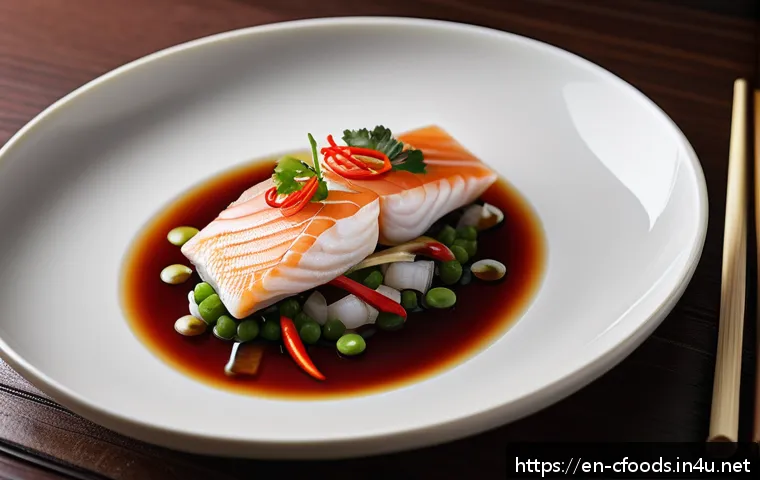
Mastering heat control is vital for texture. For example, when making a classic Cantonese steamed fish, I learned that gentle steaming preserves the fish’s delicate texture while infusing it with ginger and scallion aroma.
Conversely, dishes like Kung Pao chicken demand a hot, fast stir-fry to maintain crunchiness and juiciness. I often practice controlling my stove’s heat settings and wok positioning to get that perfect balance, which judges consistently praise for texture.
Artful Plating to Enhance Appeal
How a dish looks can influence a judge’s perception before the first bite. I’ve experimented with traditional plating techniques—like arranging ingredients in concentric circles or using vibrant garnishes like fresh cilantro and sliced chili.
Using clean, simple plates helps the colors pop without distraction. In competitions, I found that even minimal garnishes, when placed thoughtfully, can elevate a dish’s visual impact and create a memorable impression.
Time Management and Workflow for Competition Success
Prepping Ingredients Efficiently
One of the biggest challenges in cooking contests is managing time without sacrificing quality. I always start by chopping and measuring every ingredient before the competition begins, a technique called mise en place.
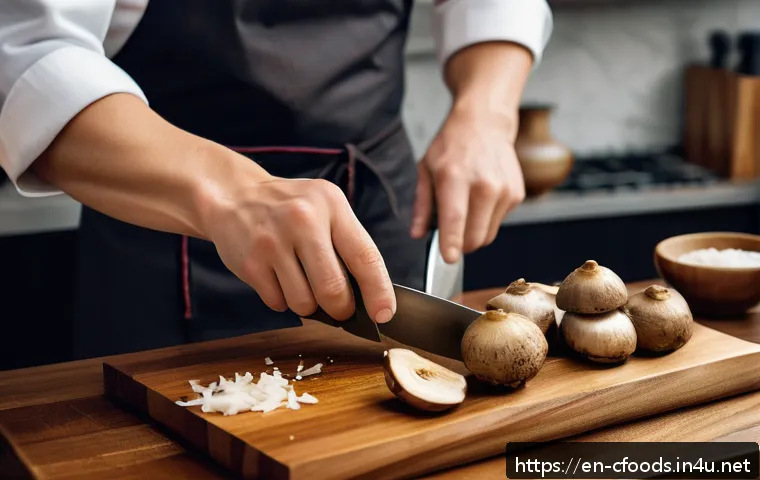
This preparation allows me to move seamlessly from one step to another. In one contest, this saved me nearly 10 minutes, which I used to perfect seasoning and plating—both critical for scoring.
Setting Priorities Under Pressure
When the clock is ticking, prioritizing tasks is essential. I focus first on components that take longer to cook or marinate, then move to quick stir-fries or garnish prep.
Keeping a mental checklist helps me stay on track without panicking. I’ve learned that staying calm under pressure and trusting my prep work allows me to deliver dishes that are both timely and delicious.
Adapting on the Fly
Sometimes, unexpected challenges arise—missing ingredients, equipment glitches, or timing issues. During one contest, my wok burner malfunctioned halfway through, forcing me to switch to a less familiar stovetop.
Because I’d practiced adaptable techniques, I adjusted heat levels and cooking times quickly without compromising the dish. This flexibility impressed judges and taught me the value of staying composed and resourceful.
Understanding Judging Criteria to Tailor Your Approach
Flavor and Authenticity
Judges often look for authentic flavors that reflect traditional techniques without being overly complicated. From my experience, dishes that balance seasoning and highlight fresh ingredients score higher than those overloaded with sauces or gimmicks.
Focusing on harmony and depth rather than complexity usually pays off.
Technique and Execution
Proper cooking methods, knife skills, and timing are heavily weighted. Judges notice if vegetables are overcooked or meats are dry. Practicing precise control in these areas helped me avoid common pitfalls and demonstrated my technical proficiency.
Creativity and Presentation
While authenticity is important, judges also appreciate a personal touch or innovative twist. I found that subtle creativity—like adding a unique garnish or reinterpreting a classic sauce—can set your dish apart without straying too far from tradition.
Presentation that complements the dish’s story also leaves a lasting impression.
Common Pitfalls and How to Avoid Them
Overcomplicating Recipes
It’s tempting to add numerous ingredients or techniques to impress judges, but this often backfires. I’ve seen competitors lose points due to muddled flavors or uneven cooking.
Keeping recipes straightforward and focusing on flawless execution is usually more effective.
Neglecting Rest Time for Proteins
Resting meat after cooking allows juices to redistribute, improving tenderness and flavor. Early in my journey, I rushed plating immediately after cooking, leading to dry textures.
Now, I incorporate appropriate resting times even in timed contests, which has noticeably improved my dishes’ quality.
Ignoring Equipment Familiarity
Using unfamiliar kitchen tools can cause delays and errors. Practicing with the exact equipment you’ll use in competition is crucial. I once brought my own chef’s knife and tested it on various stoves and woks beforehand, so I was comfortable and confident on the contest day.
| Key Aspect | Common Mistake | Effective Solution |
|---|---|---|
| Wok Hei | Overcrowding the wok, low heat | Preheat wok properly, cook in small batches |
| Marination | Insufficient time or unbalanced ingredients | Marinate at least 30 minutes, balance salt and sugar |
| Knife Skills | Uneven cuts, slow prep | Practice classic cuts daily, organize prep |
| Ingredient Sourcing | Using poor quality or wrong substitutes | Find reliable markets, learn local alternatives |
| Time Management | Disorganized workflow, panicking | Mise en place, mental checklist, stay calm |
| Presentation | Cluttered plating, ignoring color contrast | Use simple plates, thoughtful garnish placement |
In Conclusion
Mastering traditional Chinese cooking techniques is a rewarding journey that elevates your dishes from ordinary to extraordinary. By focusing on authentic flavors, precise skills, and thoughtful preparation, you can create meals that impress both judges and loved ones alike. Remember, practice and patience are key to unlocking the true essence of these culinary arts. Embrace the process and enjoy every flavorful step along the way.
Helpful Tips to Keep in Mind
1. Always preheat your wok properly and avoid overcrowding to achieve that perfect wok hei flavor.
2. Balance your marinades with the right mix of salt, sugar, and acidity for deeper taste layers.
3. Sharpen your knife skills regularly to improve speed, consistency, and presentation.
4. Source high-quality ingredients or find suitable local substitutes to maintain authenticity.
5. Plan your workflow carefully and stay calm under pressure to manage time efficiently during competitions.
Key Takeaways for Success
Authenticity and balance in flavor are fundamental to creating standout dishes. Technical precision—from knife work to heat control—directly impacts the final product’s quality and texture. Efficient preparation and adaptability under pressure ensure smooth execution, especially in competitive environments. Finally, thoughtful presentation enhances the overall dining experience, leaving a lasting impression on judges and guests alike.
Frequently Asked Questions (FAQ) 📖
Q: uestionsQ1: What are the key benefits of obtaining a Chinese Culinary Certification for aspiring chefs?
A: Earning a Chinese Culinary Certification opens doors to mastering authentic cooking techniques and deepening your understanding of regional flavors. It not only boosts your credibility in the culinary world but also enhances your chances of standing out in competitions and job opportunities.
From my experience, certified chefs tend to have a more refined palate and a greater command over traditional ingredients, which translates into more impressive and authentic dishes.
Q: How can I prepare effectively for Chinese cooking competitions?
A: Preparation is all about practice and understanding the cultural context behind each dish. Focus on perfecting foundational skills like knife techniques, wok tossing, and balancing flavors such as sweet, sour, salty, and umami.
I found that experimenting with different ingredient combinations and timing your cooking under contest-like conditions helped me stay calm and precise during actual competitions.
Don’t underestimate the power of presentation, either — judges often appreciate creativity and authenticity in plating.
Q: Are there specific traditional techniques or ingredients that I should prioritize learning first?
A: Absolutely. Start with mastering essential techniques like stir-frying, steaming, braising, and dumpling making, as they form the backbone of many Chinese dishes.
Ingredients like soy sauce, Shaoxing wine, Sichuan peppercorns, and fermented bean paste are staples that define distinct regional profiles. Personally, once I got comfortable with these basics, I noticed a huge improvement in my overall cooking confidence and ability to adapt recipes creatively while maintaining authenticity.