In today’s competitive culinary landscape, mastering authentic Chinese cooking techniques is more than just an art—it’s a strategic business move. With the rising global appetite for diverse flavors, earning a Chinese Culinary Certification can set aspiring restaurateurs apart and pave the way for a thriving venture.
Whether you’re dreaming of launching a bustling restaurant or elevating your existing menu, understanding the certification process is key. Let’s explore insider tips and proven strategies that will not only boost your skills but also maximize your restaurant’s success in this booming market.
Ready to turn your passion into a profitable business? Keep reading to discover how to make it happen.
Building a Strong Foundation in Chinese Culinary Skills
Deep Dive into Traditional Techniques
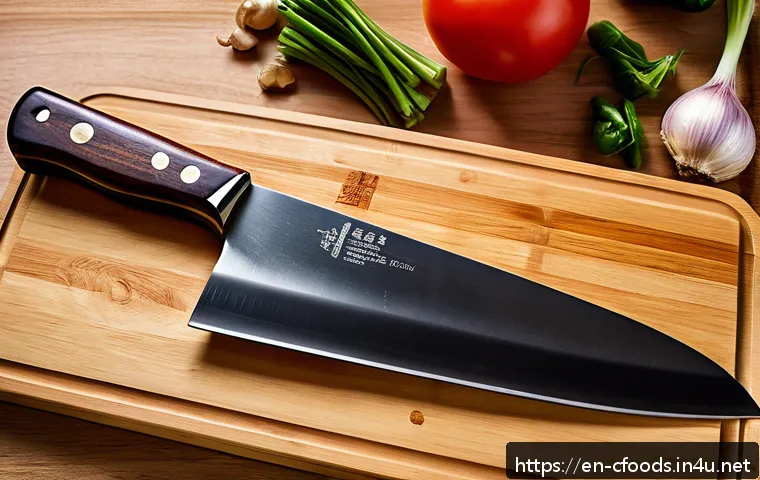
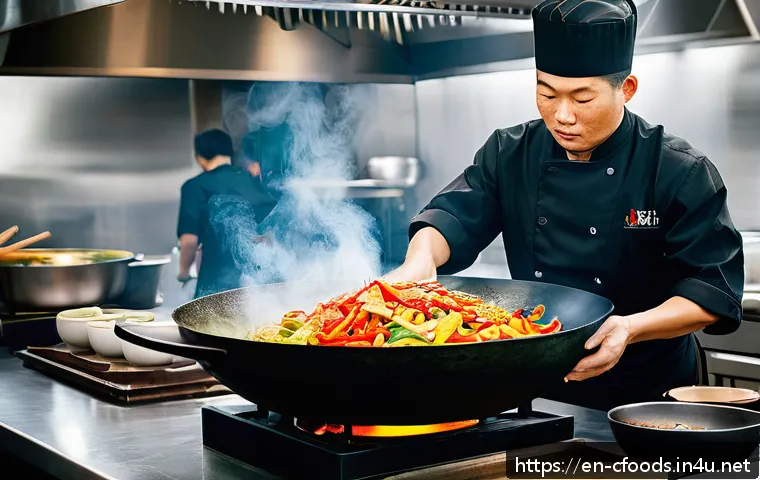
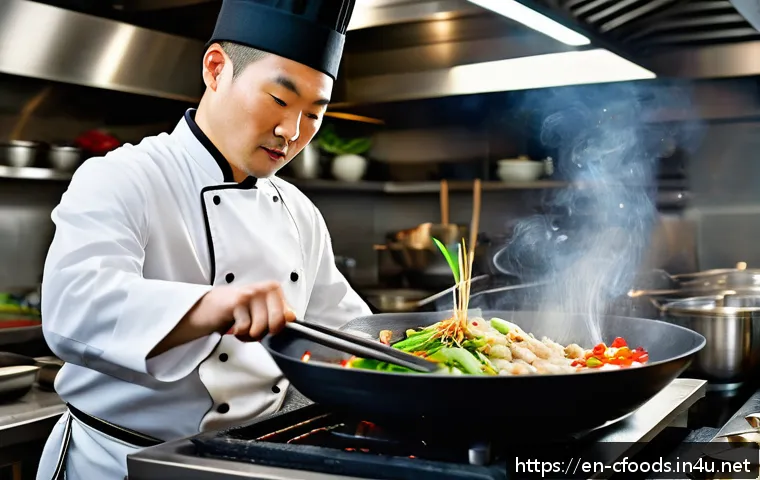
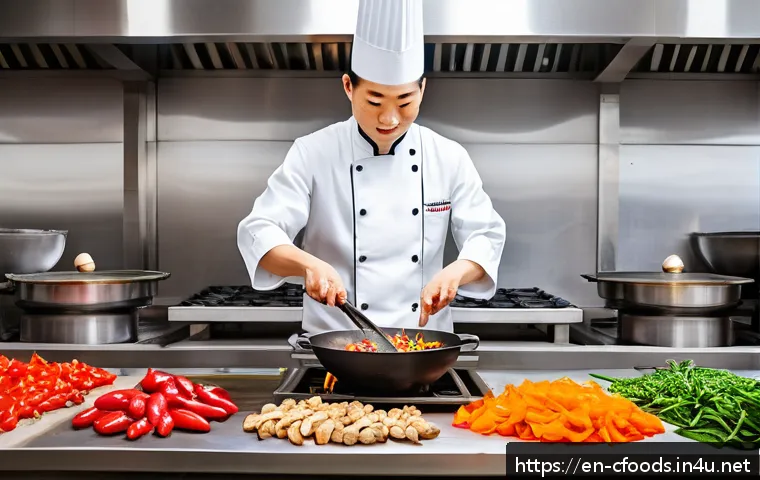
Mastering authentic Chinese cooking starts with immersing yourself in the traditional techniques that define its rich culinary heritage. From mastering the art of wok hei—the elusive “breath of the wok” that imparts smoky flavor—to perfecting knife skills for precision cuts like julienne or brunoise, these foundational techniques elevate your cooking from average to exceptional.
When I first focused on these skills, I realized that even subtle adjustments, like controlling heat and timing, can drastically change the final dish’s texture and aroma.
Practicing these methods repeatedly not only builds muscle memory but also helps you understand the delicate balance of flavors unique to Chinese cuisine.
Understanding Regional Flavors and Ingredients
Chinese cuisine is incredibly diverse, with regional styles ranging from the bold spiciness of Sichuan to the subtle sweetness of Cantonese dishes. Gaining hands-on experience with these regional flavors allows you to develop a versatile skill set that appeals to a broad audience.
I found that sourcing authentic ingredients—like Sichuan peppercorns, fermented black beans, or Shaoxing wine—was crucial for replicating true flavors.
Experimenting with these ingredients at home helped me grasp how they interact in different recipes, creating an authentic taste profile that customers crave.
Knowing these regional distinctions also guides menu design, helping your restaurant stand out by offering genuine dishes rather than generic “Chinese food.”
Certification as a Credential and Confidence Booster
Earning a Chinese Culinary Certification not only validates your skill level but also boosts your confidence when pitching your restaurant concept or interacting with suppliers and customers.
The certification process often involves rigorous testing, including practical cooking exams and theoretical knowledge assessments. From personal experience, the structured learning and evaluation helped me identify gaps in my technique and encouraged continuous improvement.
Moreover, having a recognized credential serves as a powerful marketing tool—customers often associate certifications with quality and professionalism, which builds trust before they even step through your door.
Crafting a Menu that Balances Authenticity and Innovation
Curating Classic Dishes with a Modern Twist
One of the biggest challenges I faced was balancing authenticity with the need to appeal to local tastes. While traditional recipes are the backbone of any Chinese restaurant, introducing subtle innovations—like healthier ingredient substitutions or fusion elements—can attract a wider clientele.
For example, I experimented with lighter sauces and incorporated seasonal, locally sourced vegetables to keep dishes fresh and relevant. This approach keeps the menu exciting without alienating purists.
Listening closely to customer feedback helped me fine-tune dishes that retain authentic flavors but offer a unique dining experience that customers remember.
Seasonal and Regional Menu Planning
Adapting your menu based on seasonal availability and regional preferences can significantly boost profitability. In my early days, I noticed that using fresh, seasonal produce not only improved taste but also reduced ingredient costs.
Planning the menu around what’s locally available—such as fresh bamboo shoots in spring or winter melon in summer—adds authenticity and freshness that customers appreciate.
Additionally, rotating regional specialties keeps your offerings dynamic and encourages repeat visits. This strategy also allows you to test new dishes and gauge customer interest before making them permanent fixtures on your menu.
Pricing Strategies for Profitability
Setting the right price points is crucial. Pricing too high can deter potential customers, while pricing too low risks undervaluing your craft. I learned that understanding food costs, labor, and overhead is the first step in developing a sustainable pricing model.
Offering tiered menu options—from affordable lunch specials to premium dinner entrees—helps capture different customer segments. Also, bundling dishes into combos or offering tasting menus can increase average spend per customer.
Transparency about ingredient quality and preparation effort can justify premium pricing, especially when paired with excellent service.
Optimizing Kitchen Operations for Efficiency and Quality
Streamlining Workflow and Station Setup
Efficiency in the kitchen directly impacts both food quality and customer satisfaction. When I revamped my kitchen layout, focusing on logical station setups—such as separating prep, cooking, and plating areas—I noticed a dramatic improvement in service speed and consistency.
Clear organization reduces errors and minimizes wait times, which is critical during busy hours. Training staff on standardized procedures ensures everyone knows their role and maintains quality under pressure.
A well-planned kitchen also reduces waste by improving inventory control and portion management.
Investing in Professional-Grade Equipment
Using the right tools can make or break the cooking process. For authentic Chinese cuisine, a high-quality wok, powerful ventilation, and precision burners are essentials.
Initially, I underestimated how much equipment impacts the final product, but upgrading my kitchen gear resulted in better heat control and more authentic textures.
Equipment that supports multitasking, like induction cooktops with adjustable heat zones, also enhances productivity. While the upfront investment may seem steep, the long-term gains in efficiency and food quality justify the cost.
Staff Training and Team Building
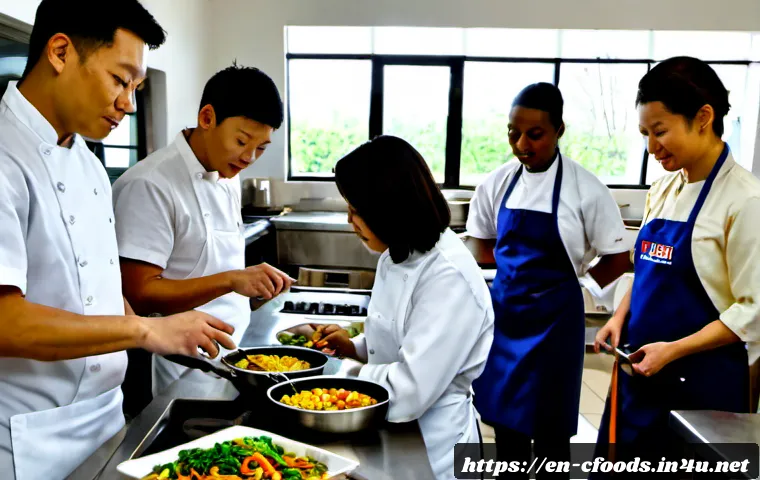
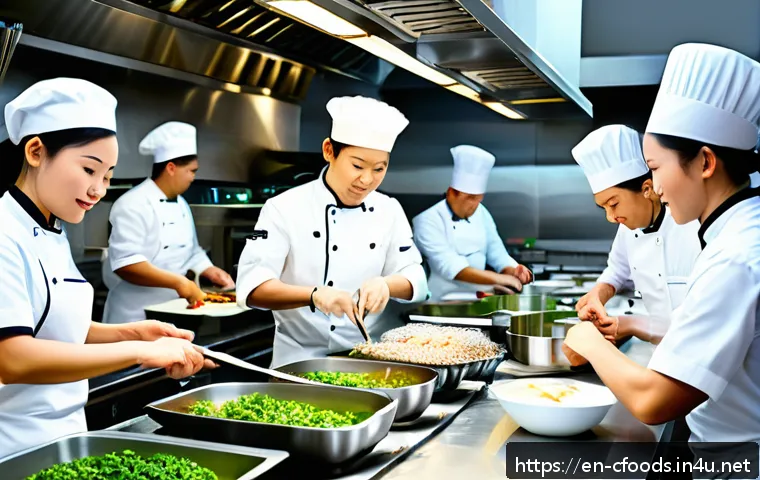
A skilled and motivated kitchen team is the backbone of any successful restaurant. I found that investing time in comprehensive training sessions and fostering a culture of collaboration significantly improved both morale and output.
Regular workshops on Chinese cooking techniques and ingredient handling keep skills sharp. Encouraging open communication and recognizing individual contributions builds loyalty and reduces turnover, which is vital for maintaining consistent food quality and service standards.
Marketing Your Chinese Culinary Expertise Effectively
Leveraging Social Media and Food Blogs
In today’s digital age, showcasing your culinary skills online can draw massive attention to your restaurant. Sharing behind-the-scenes cooking videos, recipe tips, and stories about the certification journey humanizes your brand and builds a loyal following.
I started posting short clips of wok tossing and plating techniques, which sparked curiosity and engagement. Collaborating with local food bloggers or influencers also amplifies your reach.
Authenticity is key—people connect more with genuine passion and personal stories than with polished ads.
Hosting Cooking Classes and Tastings
Offering cooking classes or tasting events is a fantastic way to engage your community and demonstrate your expertise. When I hosted small workshops, attendees not only learned skills but also became brand ambassadors, spreading word-of-mouth recommendations.
These events create memorable experiences that deepen customer loyalty. Plus, they generate additional revenue streams while showcasing your culinary certification’s credibility.
Building Partnerships with Local Suppliers
Forming strong relationships with local farmers, markets, and specialty importers ensures consistent access to high-quality ingredients. I’ve found that these partnerships often lead to better pricing and exclusive products, which elevate the dining experience.
Highlighting your commitment to fresh, authentic ingredients sourced through trusted suppliers resonates with customers who value transparency and sustainability.
Financial Planning and Scaling Your Chinese Food Business
Budgeting for Startup and Operational Costs
Understanding your financial landscape is fundamental to long-term success. When I first budgeted for my restaurant, I accounted for equipment, staffing, ingredient sourcing, rent, and marketing expenses in detail.
Unexpected costs inevitably arise, so maintaining a contingency fund is essential. Keeping meticulous records helps identify spending patterns and areas for cost-saving.
This clarity allowed me to make informed decisions about menu pricing and promotional campaigns without jeopardizing profitability.
Funding Options and Investment Strategies
Securing capital can be daunting, but exploring diverse funding sources—from small business loans to angel investors or crowdfunding—can provide the necessary boost.
I personally opted for a combination of savings and a small business loan, which balanced risk and control. Presenting a solid business plan that highlights your certification and unique value proposition increases investor confidence.
Remember, the goal is sustainable growth, so avoid overextending financially in pursuit of rapid expansion.
Planning for Growth and Expansion
Once your restaurant gains traction, planning for growth is critical. This might include expanding seating capacity, opening additional locations, or diversifying your offerings.
I recommend scaling gradually while maintaining quality—rushing growth can dilute brand reputation. Tracking key performance indicators such as customer retention, average ticket size, and online reviews informs strategic decisions.
Leveraging your culinary certification as a mark of excellence helps maintain consistency across multiple outlets.
Legal Compliance and Health Standards in the Food Industry
Understanding Food Safety Regulations
Navigating the complex web of food safety regulations is non-negotiable. When I first launched, I devoted significant time to understanding local health codes, storage requirements, and sanitation practices.
Compliance ensures your customers’ safety and protects your business from costly fines or closures. Implementing strict hygiene protocols and regular staff training creates a culture of accountability.
I recommend partnering with a food safety consultant during the startup phase to build a solid foundation.
Licensing and Certification Requirements
Beyond culinary certification, various permits and licenses are mandatory to legally operate a restaurant. These often include health department approvals, business licenses, liquor licenses (if applicable), and fire safety inspections.
I learned early on that starting these processes well in advance avoids delays. Keeping all documentation organized and up to date simplifies renewals and inspections.
Staying proactive demonstrates professionalism and reassures customers about your commitment to quality.
Insurance and Risk Management
Protecting your investment means securing appropriate insurance coverage. From liability insurance to protect against accidents to property insurance safeguarding your equipment and premises, these policies mitigate risk.
I consulted with an insurance advisor to tailor coverage based on my restaurant’s size and operations. Additionally, developing emergency response plans and staff safety training reduces potential hazards.
This preparedness not only safeguards your business but also builds trust with employees and patrons.
| Key Components | Benefits | Tips for Success |
|---|---|---|
| Traditional Culinary Techniques | Authenticity, flavor depth, skill mastery | Practice consistently, source authentic ingredients |
| Menu Innovation | Broader appeal, customer engagement | Balance tradition with creativity, use seasonal produce |
| Kitchen Efficiency | Faster service, consistent quality | Organize stations, invest in quality equipment |
| Marketing & Branding | Increased visibility, customer loyalty | Leverage social media, host events |
| Financial Planning | Profitability, sustainable growth | Detailed budgeting, diversify funding sources |
| Legal Compliance | Business legitimacy, risk reduction | Stay updated on regulations, maintain proper licensing |
In Conclusion
Building expertise in Chinese culinary arts requires dedication to traditional methods and a willingness to innovate. Combining authentic techniques with smart business strategies creates a lasting impression on customers and ensures sustainable success. With the right approach, your culinary journey can transform from passion to a thriving restaurant experience.
Helpful Information to Keep in Mind
1. Consistent practice of traditional cooking methods sharpens skills and deepens flavor understanding.
2. Incorporating seasonal and regional ingredients enhances menu freshness and authenticity.
3. Efficient kitchen design and quality equipment improve service speed and dish consistency.
4. Leveraging social media and hosting interactive events builds strong community engagement.
5. Careful financial planning and compliance with regulations protect your business’s longevity.
Key Takeaways for Success
Mastering authentic Chinese cuisine involves more than just cooking—it demands a balance of tradition, innovation, and operational efficiency. Prioritize sourcing genuine ingredients, training your team thoroughly, and maintaining clear financial and legal frameworks. These elements combined create a reputable brand that customers trust and return to time and again.
Frequently Asked Questions (FAQ) 📖
Q: What are the main benefits of obtaining a Chinese Culinary Certification for aspiring restaurateurs?
A: Earning a Chinese Culinary Certification offers several advantages. First, it validates your expertise in authentic Chinese cooking techniques, which builds credibility with customers and suppliers alike.
From my experience, certification not only boosts your confidence in the kitchen but also helps differentiate your restaurant in a crowded market. It signals professionalism and commitment, making it easier to attract discerning diners who crave genuine flavors.
Additionally, certified chefs often gain access to exclusive industry networks and resources, which can be invaluable when sourcing ingredients or launching new menu items.
Q: How can I prepare effectively for the Chinese Culinary Certification exam?
A: Preparing for the certification requires a blend of hands-on practice and theoretical study. Based on what I’ve seen and experienced, focusing on mastering foundational techniques—like wok skills, knife work, and sauce preparation—is crucial.
Enroll in reputable culinary programs or workshops that specialize in Chinese cuisine, and don’t hesitate to seek mentorship from certified chefs. Also, immerse yourself in authentic recipes and regional styles to broaden your knowledge.
Practice under real kitchen conditions whenever possible, as this builds both speed and confidence. Lastly, review the exam guidelines thoroughly so you know what to expect and can tailor your study accordingly.
Q: How does having a Chinese Culinary Certification impact the success of my restaurant business?
A: Having a Chinese Culinary Certification can significantly elevate your restaurant’s profile and profitability. From what I’ve observed, customers tend to trust and prefer establishments where chefs have proven credentials, leading to higher foot traffic and repeat business.
Certification also often correlates with consistent food quality, which is key to building a loyal customer base. Moreover, it opens doors to marketing opportunities, such as featuring your certified status in promotions or participating in culinary competitions and events.
In my opinion, this certification acts like a seal of authenticity that can help you command premium pricing and position your restaurant as a go-to destination for authentic Chinese cuisine.