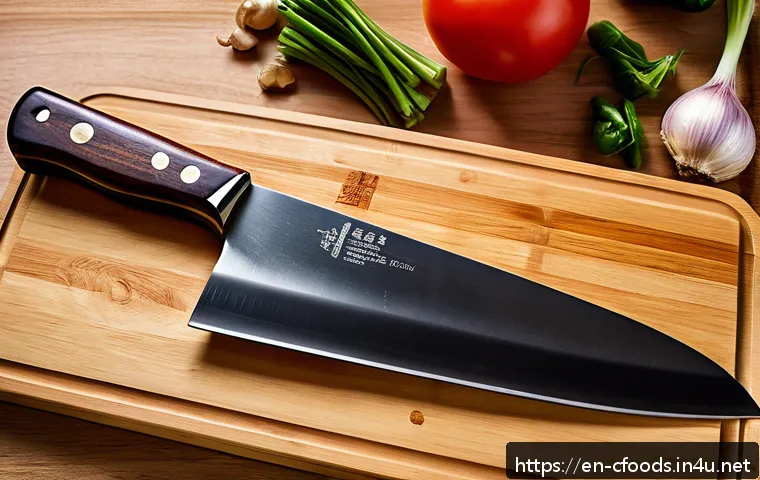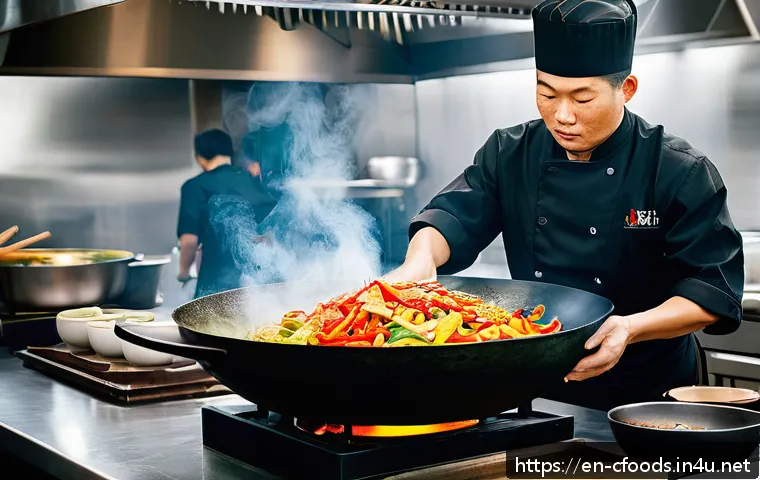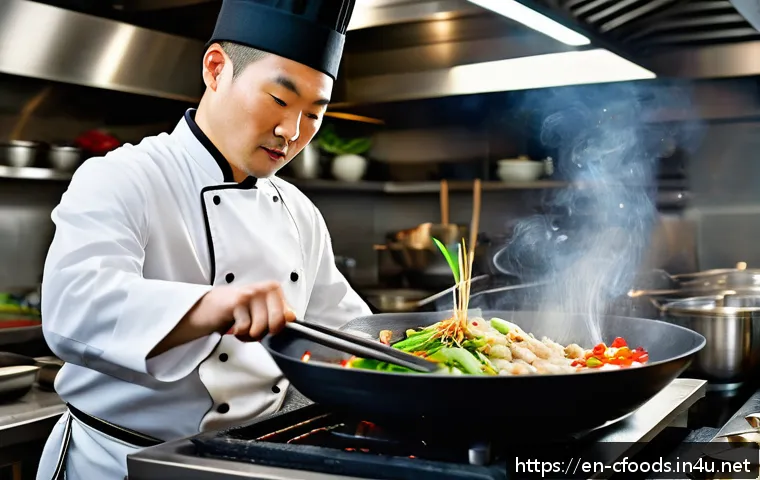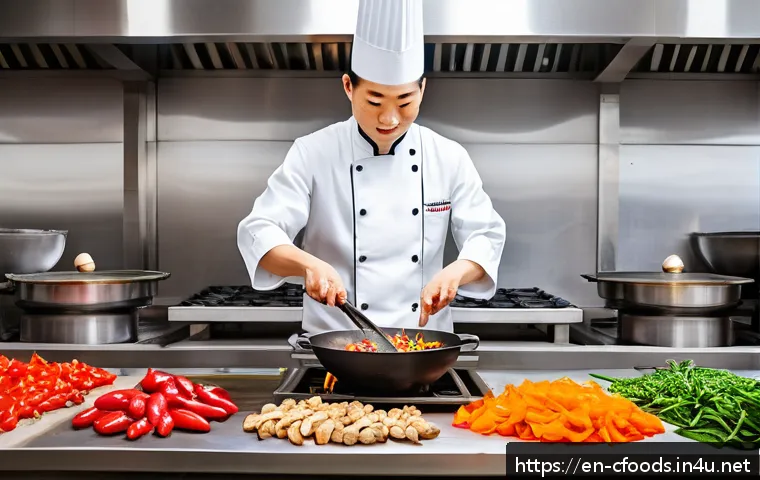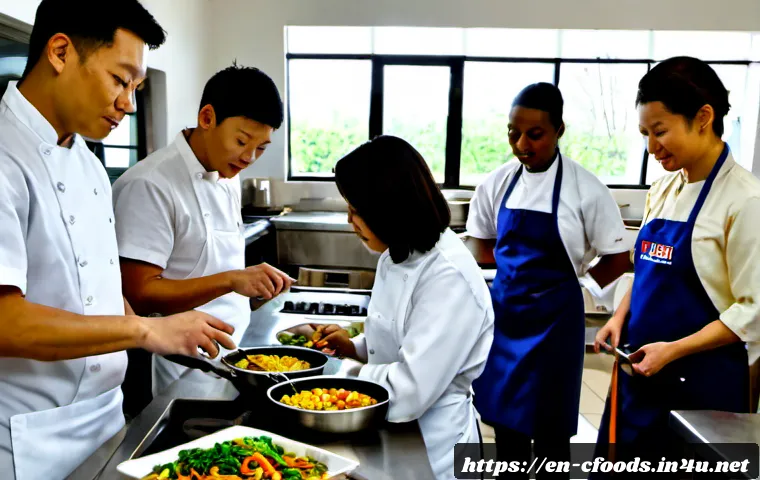
A Chinese cooking study community can be enough if you mainly need practice structure, recipe accountability, and peer feedback. Paid culinary training is usually a better fit when you need instructor assessment, reliable kitchen access, or a credential that local employers or exam providers recognize.
There is no single Chinese cooking certificate required across all English-speaking countries, so start with the outcome you need before comparing cooking course pricing.
A useful group helps you practice skills repeatedly, not just collect recipes. Before paying for an online course, local culinary school, or private coach, check what practical training, food safety coverage, and credential information are actually included.
At a Glance
- Free study groups can work well for recipe practice, accountability, and basic technique discussion.
- Paid culinary training may be worth the cost when you need instructor feedback, kitchen facilities, or assessed practical work.
- Check local credential and employer expectations before buying certification preparation materials or enrolling.
| Learning Path | Best For | Feedback and Practice Access | Credential Consideration |
|---|---|---|---|
| Self-study group | Flexible practice and peer accountability | Depends on members and your home kitchen | Usually does not provide a formal credential |
| Online cooking course | Guided lessons and flexible scheduling | May include instructor feedback; kitchen access is your responsibility | Confirm whether completion records are relevant locally |
| Local culinary school | Hands-on training and structured practical learning | Often offers facilities and direct instruction | Ask how the program is viewed by local employers or providers |
| Private cooking coach | Targeted help with specific weak skills | Direct feedback, subject to the coach’s format and facilities | Do not assume coaching includes a recognized credential |
Start With the Credential or Career Outcome You Need
Separate hobby learning, skills assessment, and job-focused culinary training
First, decide whether you want to cook Chinese cuisine at home, prepare for a practical skills assessment, or move toward entry-level kitchen work. These goals can require very different kinds of support. A hobby learner may benefit most from a recipe-focused community and affordable cooking equipment. Someone pursuing work may need stronger knife skills, food safety knowledge, timing, and consistency under practical conditions.
A certificate can be useful, but it is not automatically the same as job readiness. Employers may also consider practical experience, sanitation habits, reliable preparation, and the ability to repeat dishes consistently. Choose training based on the skills you need to demonstrate, not only on the name printed on a completion badge.
Confirm local exam and employer expectations before paying for a course
Requirements can differ by country, state, province, employer, culinary school, and examination provider. Contact the relevant provider or review its official course details before paying tuition. If you are applying for kitchen work, ask the employer or local training provider what qualifications they consider relevant.
Also check whether food safety training is separate from cuisine-specific culinary training. Some workplaces may require it independently. This one question can prevent you from paying for a course that does not cover a required area.
What a High-Value Cooking Study Community Should Offer
Practice plans, technique feedback, and safe recipe testing
A valuable Chinese cooking study community gives members a practical routine. Look for weekly recipe practice schedules, ingredient preparation discussions, technique-focused questions, and peer review that addresses what happened in the kitchen. Useful feedback is specific: wok heat, cutting consistency, sauce balance, cooking sequence, or plating—not simply “looks great.”
Safe recipe testing matters as well. Members should be able to discuss food handling, clean work surfaces, ingredient storage, and practical adjustments without treating casual advice as a substitute for required food safety training.
Signs a group is useful for structured preparation
Look for a group that encourages members to set a goal, record practice sessions, and revisit the same technique until it becomes repeatable. A good community can organize practice around knife work, stir-frying, sauces, timing, and presentation. It should also make room for questions about culinary certification preparation materials without claiming that one study method fits every examination provider.
Red flags: unverified exam claims, copied materials, and no practical support
Be cautious when a group promises that one recipe list will guarantee a pass, claims recognition without evidence, or shares copied exam materials. Another warning sign is a community that discusses certificates constantly but offers no help with practical kitchen performance. A course or group should clearly explain what it teaches and what it does not verify.
Compare Self-Study, Online Courses, and In-Person Culinary Training
Choose based on budget, kitchen access, and feedback needs
Self-study is flexible and can be economical when you already have a workable kitchen, basic tools, and disciplined practice habits. An online culinary course can add structure through demonstrations and lesson sequencing, but you should confirm whether instructor access is included. In-person culinary training may provide a more controlled practice setting, although course pricing can reflect facilities, ingredients, instructor time, and program duration.
When comparing options, do not focus on tuition alone. Ingredient costs, travel, required cooking equipment, assessment-related fees, and separate food safety training can affect the total budget. A lower advertised course price may not include the items you need for regular practice.
When a paid program can save time and reduce failed attempts
Paid instruction can make sense when you need an experienced person to identify recurring problems quickly. For example, a learner may repeatedly struggle with uneven knife cuts, poor wok control, or timing several components together. Structured feedback can help turn random practice into a focused plan. It does not guarantee an exam result or employment, but it may be a practical investment when independent troubleshooting is slowing you down.
Build a Practical Preparation Plan for Chinese Cuisine Skills
Focus on repeatable kitchen skills
Build practice around knife work, wok control, sauces, timing, sanitation, and presentation. Recipes are useful, but repeatable technique matters more than memorizing a long list of dishes. Practice one skill at a time, then combine skills in a complete dish. This approach makes peer feedback more useful because you can identify exactly what you were trying to improve.
Create a weekly practice log and peer-review routine

Use a simple practice log: the dish or technique, ingredients prepared, steps that went well, problems noticed, and one change for the next session. Share clear questions with your study group, such as whether your cutting size stayed consistent or whether the cooking order caused overcooking. A regular peer-review routine creates accountability without requiring every member to have the same career goal.
Budget for ingredients, equipment, travel, and assessment-related fees
Make a full planning list before enrolling. Include tuition, ingredients for repeated practice, essential cooking equipment, transport to kitchens or assessments, certification preparation materials, and any separate food safety course. Ask each provider what is included in the listed course price and what must be purchased independently.
Avoid Common Enrollment and Exam-Preparation Mistakes
Do not assume an online badge is recognized by employers
An online course certificate may show participation or completion, but its relevance depends on the employer, school, or examination provider. Verify recognition directly. Avoid treating promotional language as proof that a credential is accepted for a particular role.
Check what tuition includes before comparing prices
Two cooking classes can look similar while offering very different value. One may include kitchen facilities, ingredients, and feedback; another may provide lessons only. Compare the total learning setup, not just the advertised tuition. Review cancellation, refund, and access terms before payment.
Balance recipe memorization with repeatable kitchen technique
Knowing many recipes does not automatically show that you can work efficiently or safely. Keep practicing core methods until they are consistent. If you are preparing for a practical assessment, ask the relevant provider about the expected format rather than relying on general community advice.
Selection Criteria and Comparison Summary
Choose a free study community when your main need is accountability, recipe practice, and peer discussion. Consider paid instruction when you need assessed practice, direct instructor feedback, kitchen facilities, or training that is relevant to a local credential or employer. Before joining, compare total cost, practical kitchen access, instructor feedback, credential relevance, included materials, and refund terms. For any course or coaching option, check the official program page for current conditions and what is included before enrolling.
Closing Thoughts
The right Chinese cooking study path depends on what you need to do next: cook with more confidence, prepare for an assessment, or build entry-level kitchen skills. A committed peer group can add real value when it creates a practice routine and useful feedback. Paid culinary training can be worthwhile when it solves a specific problem that self-study cannot, such as supervised practice or structured evaluation. Verify local requirements before treating any certificate as a career shortcut.
Useful Things to Know
1. There is no universally required Chinese cooking credential across all English-speaking countries.
2. Practical skills and food safety knowledge may matter alongside formal certificates.
3. Course duration, instructor access, facilities, ingredients, and recognition can vary widely.
4. A practice log can make feedback from a study community much more actionable.
Important Notes
Exact certificate rules, assessment formats, eligibility, fees, renewals, and employer preferences must be confirmed in your location. A specific online group, course, instructor, or coaching service may not be active, accredited, or suitable for every employer. A credential alone may not qualify someone for a Chinese-cuisine kitchen role.
Frequently Asked Questions
Q1. Is an online Chinese cooking study group enough to prepare for a culinary certificate?
A1. It can help with recipe practice, accountability, and technique discussion. However, many culinary credentials assess practical kitchen skills as well as written knowledge. Confirm the relevant assessment format and decide whether you need supervised practice or instructor feedback.
Q2. How much should I budget for Chinese cooking classes and certification preparation?
A2. Build a budget around more than tuition. Include ingredients, cooking equipment, travel, testing or assessment-related fees, preparation materials, and any separate food safety training. Costs vary widely by program and location, so request a clear list of included and excluded items.
Q3. What should I check before paying for an online culinary course or private cooking coach?
A3. Check the total cost, lesson format, instructor feedback, kitchen practice requirements, access period, credential relevance, included materials, and refund terms. If your goal is employment or an assessment, confirm that the training matches local employer or provider expectations.