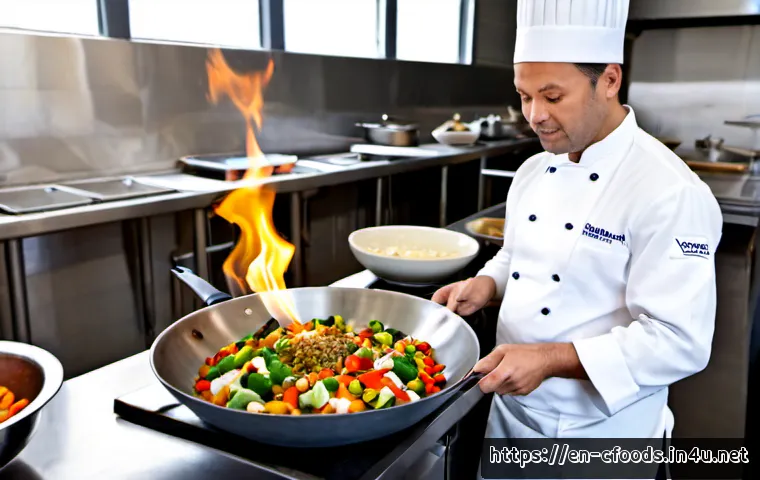
A Chinese cuisine culinary certificate can be useful if you need structured practice in core kitchen skills and can justify the full training cost. It is not a guaranteed route to a restaurant job, because many kitchens also assess practical ability, reliability, sanitation, speed, and composure under pressure.
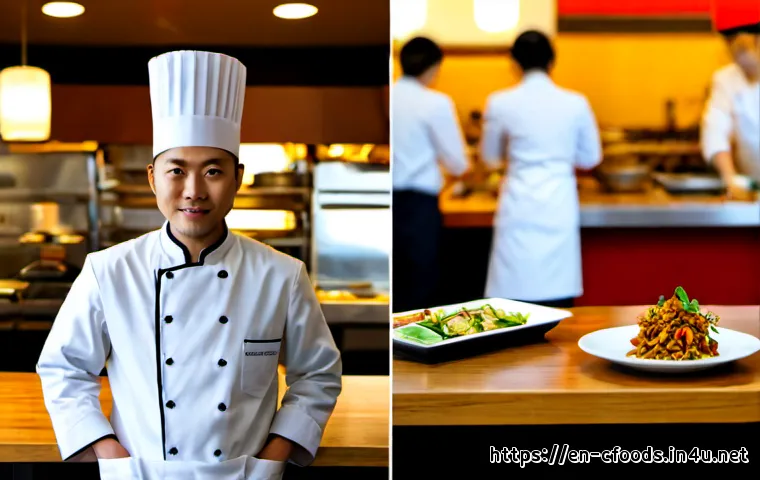
For a career changer, the best choice often depends on whether you need a clear learning schedule or immediate real-kitchen exposure. A shorter certificate may be easier to fit around a transition than a culinary degree, but tuition is only one part of the budget.
Community classes and entry-level restaurant roles can be lower-cost ways to test the work before making a larger commitment. Compare the curriculum, equipment fees, food-safety requirements, travel, and access to supervised practice before enrolling.
At a Glance
- A Chinese cuisine culinary certificate can build structured foundations, but it does not guarantee hiring.
- Entry-level restaurant work may offer stronger real-service exposure when budget and hands-on learning are the priority.
- Compare total costs, practical kitchen training, schedule flexibility, and your target role before choosing a program.
| Training Option | Best For | Potential Advantages | Points to Check |
|---|---|---|---|
| Culinary certificate | Career changers who want a structured foundation | Focused instruction, supervised practice, and a narrower path than a degree | Curriculum, tuition, equipment fees, practical kitchen time, and career support |
| Community education class | People testing interest while employed | Often a lower-commitment way to explore techniques and kitchen routines | Depth of training, access to professional equipment, and whether practice is restaurant-relevant |
| Entry-level restaurant job | People prioritizing real-kitchen exposure and lower upfront cost | Direct experience with prep, sanitation, teamwork, pace, and service routines | Quality of training, available mentoring, schedule demands, and advancement opportunities |
| Culinary degree | People seeking a broader and longer culinary education | More extensive study than a typical certificate program | Total tuition, time away from work, program scope, and whether the added length matches your goal |
Is a Chinese Cuisine Certificate a Practical Route Into a New Career?
The Short Answer: Useful for Structured Foundations, Not a Guaranteed Job Offer
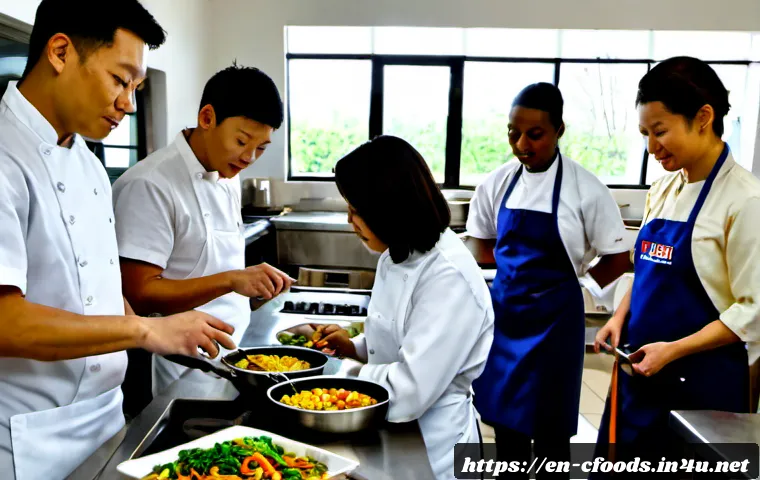
A certificate can be a practical starting point when you want guided instruction in knife work, wok handling, stir-frying, steaming, sauces, food safety, prep organization, and ingredient management. The actual content varies by program, so the title alone does not tell you what you will practice.
Certificates are typically shorter and narrower than associate-degree culinary programs. That can make them appealing when you are changing careers and want focused training rather than a longer academic commitment. Still, a credential should be viewed as evidence of training, not a promise of employment, promotion, or income.
Before you enroll, ask whether the course teaches techniques in a working kitchen environment or mainly demonstrates them. A program with supervised repetition may be more useful than one that covers many topics quickly without enough time to practice.
What Employers May Value Alongside a Credential
Commercial kitchens may evaluate applicants on far more than a certificate. Employers may look for reliability, sanitation habits, speed, practical skill, communication, and the ability to work under pressure. Showing up prepared, following instructions, maintaining a clean station, and handling repetitive prep carefully can matter in an entry-level role.
A culinary school credential may help organize your learning, but it should be paired with realistic expectations. A hiring manager may want to see whether you can work within the kitchen’s systems, timing, portion standards, and team communication—not simply whether you completed a course.
Food-handler cards and food-safety training may also matter. Requirements can differ by city, state, employer, and position, so confirm the rules that apply where you intend to work instead of assuming a certificate includes every requirement.
When Direct Restaurant Experience Can Be the Better First Move
Direct kitchen work can be the better first move when your budget is limited or when you need to find out whether restaurant pace suits you. An entry-level position may expose you to prep lists, cleaning routines, ingredient handling, service pressure, and kitchen communication in ways that a classroom cannot fully duplicate.
This route is not automatically easier. Restaurant schedules can be demanding, and the amount of teaching you receive can vary widely. But it may help you identify whether you enjoy the daily reality of food-service work before paying culinary school tuition and equipment costs.
A practical approach is to compare local entry roles with training options at the same time. Look at the expected responsibilities, schedule, commute, and opportunities to build skills rather than choosing based on the word “certificate” alone.
Compare Training Options by Cost, Time, and Job Readiness
Certificate Programs, Culinary Degrees, Community Classes, and On-the-Job Learning
Each path solves a different problem. A certificate program may suit someone who wants a planned sequence of skills. A longer culinary degree may suit someone who wants broader study. Community education can be useful for exploring interest with less commitment, while work-based learning can suit someone who wants immediate exposure to a commercial kitchen.
For Chinese cuisine specifically, review whether the training includes techniques you actually want to use. A general culinary program may provide broad fundamentals but may not spend much time on wok cooking, steaming, stir-frying, sauce preparation, or Chinese ingredient management. Ask for the course outline instead of relying on a general program description.
Total Training Cost: Tuition, Tools, Ingredients, Uniforms, and Travel
The listed tuition is not always the total cost of culinary training. Build a simple comparison worksheet before committing:
- Tuition and enrollment charges: Ask what is included and what is billed separately.
- Professional knife and wok equipment: Check whether tools are supplied, required, or optional.
- Uniforms and protective items: Confirm any required clothing or kitchen footwear.
- Ingredients and lab-related costs: Find out whether practical classes require separate purchases.
- Transportation: Include commuting time and ongoing travel costs.
- Income lost during training: Consider reduced work hours if the schedule limits your current job.
This is especially important for a career change. A lower tuition figure may not be the lower-cost choice if the location, equipment list, or schedule creates added pressure. Conversely, a program with a higher upfront cost may offer more supervised kitchen time. The useful comparison is the full commitment, not a single advertised number.
Questions to Ask Before Paying a Deposit or Enrolling
Ask direct questions that connect training to the job you want. For example:
- What is the exact certificate title, duration, and curriculum?
- How much supervised cooking practice is included?
- Does the course cover knife safety, wok technique, steaming, sauces, prep systems, and sanitation?
- Which fees cover ingredients, uniforms, tools, and kitchen access?
- What kitchen facilities will students use?
- What professional experience do instructors bring to the subject?
- Is any job-search guidance offered, and what does that guidance actually include?
- Which food-handler or food-safety requirements must students arrange separately?
Check official course details and enrollment conditions directly before paying a deposit. Program names, tuition, accreditation status, and requirements can differ substantially by school.
Skills That Matter in a Professional Chinese Cuisine Kitchen
Knife Safety, Mise en Place, Sanitation, and Kitchen Communication
Restaurant-relevant training should go beyond preparing one finished dish. You need a reliable approach to knife safety, organized prep, clean work habits, labeling or storage procedures where used, and clear communication with the kitchen team.
Mise en place matters because service depends on having ingredients prepared, tools ready, and a station arranged for efficient work. In a busy kitchen, disorganization can affect speed, safety, and consistency. A useful course should let you repeat these habits instead of treating them as an afterthought.
Sanitation is another core skill. Food-safety training requirements vary locally, but clean handling practices matter in nearly every commercial kitchen. Confirm the relevant food-handler card or food-safety expectations with local authorities and prospective employers.
Wok Technique, Heat Control, Sauces, Steaming, and Batch Consistency
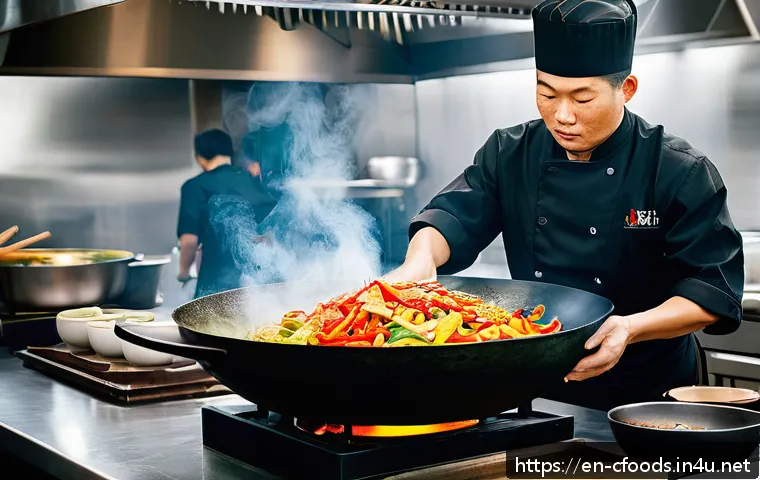
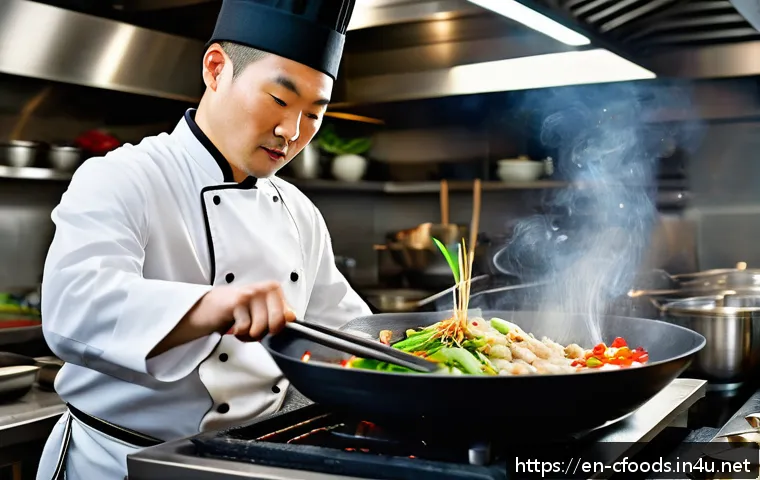
Chinese cuisine can involve fast movement, heat management, and close attention to timing. Depending on the program, training may cover wok handling, stir-frying, steaming, sauce preparation, and ingredient management. The key question is whether you will practice enough to develop control rather than simply observe a demonstration.
When reviewing a course, ask how students learn to work with a wok safely, manage heat, prepare ingredients in advance, and reproduce a dish to a consistent standard. You do not need every course to specialize in one regional tradition, but its instruction should match the type of kitchen you hope to enter.
Why Speed and Repeatability Matter More Than Memorizing Recipes
Memorizing recipes has value, but professional kitchens also depend on timing, repeatability, and teamwork. A dish needs to be prepared according to the operation’s methods, often while multiple tasks happen at once. That makes consistent prep and calm execution more valuable than knowing a long list of recipes without practical control.
Look for training that includes batch work, station organization, and feedback on workflow. Those experiences can help you describe your abilities honestly when applying for an assistant, prep cook, line cook, or wok cook role.
Build a Career-Change Plan Before and During Training
Set a Realistic Target Role: Prep Cook, Line Cook, Wok Cook, or Kitchen Assistant
Choose a starting role before choosing a training path. A kitchen assistant or prep cook role may focus on preparation, cleaning, ingredient handling, and supporting the team. A line cook or wok cook role may require stronger speed, timing, and station control. The exact duties depend on the restaurant.

A clear target helps you avoid overspending on training that does not match your next step. If your immediate goal is an entry role, a focused certificate, community course, or work-based learning option may be enough to begin building relevant skills. If your goal is broader culinary study, a longer program may be worth comparing.
Create a Portfolio of Dishes and Practical Kitchen Skills
A simple portfolio can help you track real progress. Include a short list of dishes you have practiced, techniques you can explain, and kitchen tasks you have performed. Keep it factual. For example, list supervised wok practice, knife-cut practice, steaming techniques, prep organization, or food-safety training completed where applicable.
Photos can be useful for personal documentation if permitted, but they should not replace practical ability. The strongest portfolio is one that helps you speak clearly about your level: what you can do independently, what you are still learning, and which type of station you are ready to support.
Apply for Trial Shifts and Entry-Level Roles Without Overstating Experience
If a restaurant offers a trial shift or asks about your experience, be direct about your training and availability. Do not present classroom practice as years of restaurant work. Honest positioning can be more effective: explain that you are changing careers, have practiced specific skills, understand sanitation and prep expectations, and are ready to learn the kitchen’s system.
Reliability is part of the application. Confirm schedules, transportation, required documents, and local food-safety expectations before accepting a role. This reduces avoidable problems during a career transition.
Choose the Right Path for Your Budget, Schedule, and Career Goal
Best Fit for Full-Time Career Changers
A certificate may fit well if you need a structured schedule, supervised practice, and a defined skills sequence. It can be especially useful when you are moving from an unrelated field and want a clear foundation before applying to kitchens. Compare the full cost with the amount of practical time provided.
Do not assume that a certificate automatically creates job readiness. Pair the program with realistic job research, kitchen applications, and practice on the skills most relevant to your target role.
Best Fit for People Testing the Field While Employed
A community class or limited restaurant role may be more practical if you are still employed and want to test the field. This option can help you assess whether you enjoy the physical pace, preparation tasks, hours, and team environment before taking on larger culinary school costs.
Choose classes that provide hands-on work where possible. If you are comparing professional knife or wok equipment, start by checking what the class or kitchen provides before buying tools that may not suit your needs.
Best Fit for Future Catering or Small Food-Business Plans
For future catering, private cooking, or a small food-business plan, technical cooking skill is only one part of the picture. You may also need to understand applicable food-safety, local licensing, labor, business-registration, and operating requirements. These requirements vary by location and business model.
A certificate can support your cooking foundation, but it does not by itself confirm that you are ready to operate a food business. Research the local requirements separately and avoid treating a culinary credential as a substitute for business or regulatory preparation.
Selection Criteria and Comparison Summary
Use these decision prompts before choosing a certificate, class, degree, or entry-level kitchen role:
- Budget: Can you cover tuition, equipment, ingredients, uniforms, travel, and possible reduced work hours?
- Schedule: Does the training fit your current job, family obligations, and commute?
- Kitchen access: Will you get meaningful supervised practice with relevant tools and techniques?
- Target role: Are you aiming for prep work, a kitchen assistant role, a line station, or wok cooking?
- Curriculum fit: Does the program actually teach the Chinese cuisine techniques you want to build?
- Local requirements: Have you checked food-handler and food-safety expectations for your location and intended employer?
Choose a certificate when structure, supervised practice, and program support clearly justify the full cost. Choose work-based learning when budget and real-kitchen exposure are your leading priorities. For course fees, equipment lists, facilities, and enrollment conditions, review the official program page before making a payment.
Closing Thoughts
Changing careers into Chinese cuisine does not require one universal path. A culinary certificate can provide organized skill-building, while restaurant work can provide immediate experience with the pace and discipline of a commercial kitchen. The strongest choice is the one that fits your budget, schedule, and intended role without assuming that any credential guarantees a job. Focus on practical skill, food safety, consistency, and honest communication about your experience.
Useful Information to Keep in Mind
1. Compare total training costs, not tuition alone.
2. Ask for the actual curriculum and the amount of hands-on kitchen practice.
3. Check whether tools such as knives, woks, uniforms, and ingredients are included.
4. Confirm local food-handler and food-safety requirements separately.
5. Start with the role you want next, not only the credential you think sounds strongest.
Important Notes
Certificate names, course content, duration, accreditation status, tuition, and equipment fees vary by school. Restaurant hiring standards and promotion requirements also vary by employer. Food-safety, licensing, immigration, labor, and business-registration rules depend on your location and situation, so verify current local requirements through appropriate official sources and the employer or school involved.
Frequently Asked Questions
Q1. Is a Chinese cuisine culinary certificate enough to get a restaurant job?
A1. It may help demonstrate structured training, but it is not a guarantee of hiring. Many commercial kitchens also assess practical skills, reliability, sanitation, speed, teamwork, and the ability to work under pressure. An entry-level role may be available without a certificate, depending on the employer and position.
Q2. How much should I budget for a culinary certificate and basic professional cooking equipment?
A2. Do not budget from tuition alone. Include tuition, enrollment-related charges, knives or other required equipment, wok equipment if required, uniforms, ingredients, transportation, and any income lost if training affects your work schedule. Ask the school for a written breakdown of required and optional costs before enrolling.
Q3. Should I attend culinary school or start in an entry-level Chinese restaurant kitchen first?
A3. Choose culinary school when you need structured fundamentals, supervised practice, and a clear learning plan. Consider an entry-level restaurant kitchen first when you want lower upfront cost and direct exposure to real kitchen pace. Your budget, schedule, kitchen access, and target role should guide the decision.