For a Chinese cuisine practical exam, bring your identity and registration materials first, then pack only the clothing, tools, and ingredients the official candidate instructions allow.

Do not buy a chef uniform bundle or knife kit until you know what the test center supplies and what it prohibits. A simple, clean setup is often more useful than an expensive collection of equipment.
Focus on safe footwear, hygienic clothing, secure tool storage, and a workstation routine you can repeat under time pressure. If you will continue culinary training after the exam, durable basics may be a sensible purchase; otherwise, an entry-level kit can be enough.
The official exam notice is always the final authority.
At a Glance
- Bring: your identity documents and exam registration details, plus any clearly required personal items.
- Confirm: the dress code, supplied equipment, ingredient rules, and sanitation requirements with your test center.
- Do not buy yet: knives, appliances, fuel sources, or pre-prepared ingredients until the official instructions permit them.
| Purchase Area | Useful Selection Criteria | What to Confirm First |
|---|---|---|
| Chef uniform bundle | Cleanable fabric, comfortable fit, secure footwear, simple professional appearance | Required coat, hat, apron, color, and shoe rules |
| Cooking knife kit | Blade protection, safe grip, carrying case protection, easy organization | Whether personal knives are allowed or supplied |
| Reusable food-storage containers | Food-safe construction, secure lids, easy labeling, compact storage | Whether ingredients and containers are needed at all |
| Exam-prep course | Practice structure, sanitation routines, equipment familiarity | Whether it covers the relevant certification format and current instructions |
What You Usually Need for a Chinese Cuisine Practical Exam
The safest starting point is simple: prepare your documents, wear clean practical kitchen attire, and follow the exact packing list issued for your exam. Practical culinary assessments commonly check identity and registration before entry, while cooking technique is often evaluated alongside food safety and personal hygiene.
The Essential Documents to Check Before Leaving Home
Keep your identity document and exam registration information together in one protected folder or pouch. Review the candidate instructions before leaving home, not while traveling. If your test center has provided an entry notice, schedule information, or item list, keep it easy to access without mixing it with food or tools.
Chef Attire, Footwear, and Personal Hygiene Basics
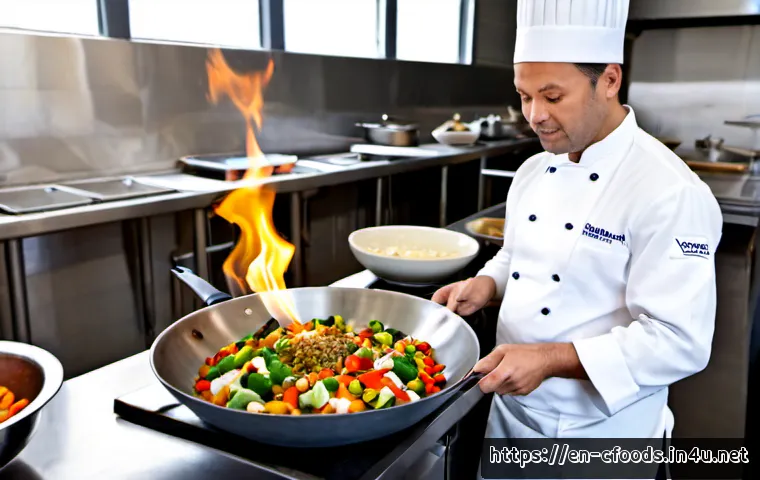
A chef uniform should help you work safely and stay organized. Look for clean clothing that allows comfortable movement, along with footwear suitable for a kitchen environment. Personal hygiene items may also matter, but the specific requirements can vary by provider and location. Do not assume one center’s chef coat, hat, apron, or shoe policy applies to another.
Tools and Supplies That May Be Required or Supplied by the Center
Some centers may provide cookware, knives, ingredients, refrigeration, or cleaning materials; others may expect candidates to bring certain items. Before packing a knife kit, food-safe containers, small appliances, fuel sources, or prepared components, check the official rules. A prohibited item can create an avoidable delay before the assessment even starts.
Bring, Confirm, or Skip: A Smart Equipment Checklist
Use three categories when preparing: items you know you need, items that require confirmation, and items that should stay home unless expressly permitted. This approach limits unnecessary spending and reduces the chance of arriving with unsuitable equipment.
Items Worth Buying for Repeated Culinary Training
If you expect to practice regularly, a basic chef uniform, secure footwear, and a well-organized storage solution can remain useful beyond one exam. A modest cooking knife kit may also make sense for repeated training when personal knives are permitted. Prioritize safety, cleanability, and reliable storage over a large number of tools.
Items to Confirm With the Exam Center Before Spending Money
Confirm whether you must bring ingredients, cutting boards, knives, containers, cleaning supplies, or specialty tools. Ask about pre-prepared ingredients and whether small appliances or fuel sources are allowed. These details directly affect whether a chef equipment bundle is useful or unnecessary.
Commonly Restricted or Unnecessary Items
Do not assume that every kitchen tool is acceptable simply because it is useful in training. Knives, electrical equipment, fuel sources, and pre-prepared food may be restricted. Avoid packing duplicates “just in case” if they are not on the candidate instructions; extra items can make inspection and workstation setup less efficient.
Choosing a Chef Uniform and Knife Kit Without Overspending
Buy for the exam arrangement you actually have, not for an idealized professional kitchen. For a single assessment, an entry-level setup may be sufficient when it meets the required standard. For ongoing classes or kitchen practice, durable basics can offer better long-term value.
Comfort, Safety, and Durability Features That Matter in a Timed Kitchen
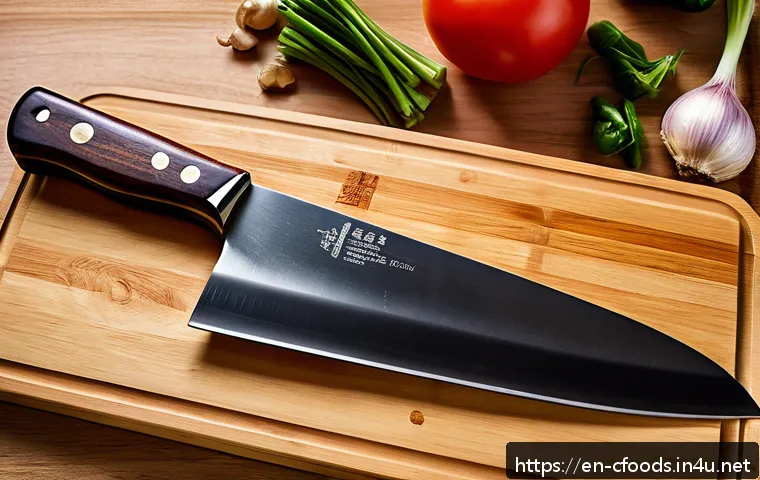
Choose a chef uniform that lets you move freely and can be kept clean. For a knife kit, focus on a protected carrying case, stable tool organization, and blade safety. A cluttered or poorly protected kit can slow you down when you need to set up quickly and safely.
Entry-Level Versus Professional-Grade Tools for Certification Candidates
An entry-level chef kit is often reasonable when you are still learning or when the exam center supplies most equipment. More durable professional tools may be worth considering if you will use them repeatedly in culinary school, training, or work. The key question is not whether a tool looks professional; it is whether it is permitted, safe to carry, and useful for your actual practice schedule.
When a Training Course or Equipment Bundle May Add Value
An exam-prep course may help if you need a structured way to practice timing, sanitation, and kitchen organization. An equipment bundle may be convenient when its contents match your permitted-item list. Check what is included before ordering, because bundled tools are not automatically accepted at every test center.
Test-Day Procedure, Food Safety, and Mistakes to Avoid
On test day, aim for a calm, repeatable routine. Have documents ready, arrive in compliant attire, and keep your supplies clean and organized. A tidy workstation can reduce avoidable mistakes during a timed practical exam.
Arrive-Ready Routine for Documents, Clothing, and Tool Inspection

Before leaving, check your identification, registration details, uniform, footwear, and permitted tools. Keep knives secured in their case rather than loose in a bag. If inspection is part of entry, organized packing makes it easier to show what you brought without disrupting the start of your exam.
Preventing Cross-Contamination and Workstation Disorganization
Food safety and hygiene are usually part of practical assessment expectations. Follow the sanitation process required by your center, keep food-related items separated from documents and personal belongings, and reset your work area as you go. Clean organization supports both safety and speed.
Packing Errors That Can Create Delays or Disqualification Risks
Common avoidable errors include bringing unapproved tools, assuming ingredients are supplied, packing prohibited prepared items, or arriving without required identity information. Do not rely on general advice from another candidate when the official instructions say something different.
Packing Tips for Different Exam Arrangements
If the Test Center Provides Ingredients and Cookware
Pack lightly. Bring required documents, compliant attire, and only the personal items the center specifically requests. There is no benefit in carrying a large knife kit or extra containers if the facility supplies those items or does not permit them.
If You Must Bring Tools, Ingredients, or Containers
Create separate sections for tools, ingredients, and sanitation-related supplies. Use secure, food-safe containers where required, and keep knives protected in a carrying case. Review the permitted list one final time so that every item has a clear purpose.
If You Are Taking the Exam After Work or Culinary School
Prepare the night before. Lay out clean attire, place documents in one location, and pack only confirmed items. This reduces rushed decisions, such as bringing the wrong uniform or forgetting an important registration document after a busy day.
Selection Criteria and Comparison Summary
Before purchasing, use this final decision checklist:
- Does the official candidate guidance require or permit this item?
- Will the chef uniform support clean, comfortable movement?
- Does the knife kit provide blade safety and carrying case protection?
- Are food-storage containers food-safe, secure, and actually needed?
- Will you use the item for continued training after the exam?
Compare blade safety, carrying case protection, and local test-center rules before ordering. Official instructions and detailed conditions should be checked on the relevant provider page before you buy.
Closing Thoughts
Good exam preparation is mostly about confirmation, not overpacking. Start with identity and registration requirements, then build your kit around the rules of your specific test center. Clean attire, safe tool handling, and an organized workstation are practical priorities. Expensive equipment is not a substitute for compliant preparation and careful hygiene.
Helpful Information to Know
Pack in zones: keep documents, personal items, tools, and food-related supplies separate.
Practice your setup: if personal tools are allowed, rehearse opening and organizing your kit safely.
Review late changes: check the latest candidate instructions before test day rather than relying on older notes.
Important Notes
Exact permitted tools, recipes, scoring criteria, attire rules, supplied equipment, and ingredient requirements depend on the certification provider and test center. This checklist is general preparation guidance, not a replacement for official candidate instructions. Confirmation is especially important before purchasing knives, appliances, fuel sources, ingredients, or a full chef uniform bundle.
Frequently Asked Questions
Q1. Do I need to buy a professional knife set for a Chinese cuisine practical exam?
A1. Not necessarily. First confirm whether personal knives are required, permitted, or supplied by the test center. An entry-level, safely stored kit may be enough for ongoing practice, while professional-grade tools are more relevant if you expect repeated culinary use.
Q2. What chef uniform and shoes are usually safest for a culinary certification test?
A2. Choose clean, comfortable kitchen attire and footwear that suits the required dress code and supports safe movement. The exact coat, hat, apron, and shoe requirements must be confirmed with your certification provider or test center.
Q3. Should I enroll in an exam-prep course before purchasing cooking tools and supplies?
A3. A course may be useful if you want structured practice with timing, hygiene, and workstation organization. However, review the official exam instructions first, because a course or equipment bundle may include items that are not needed or permitted for your specific exam.