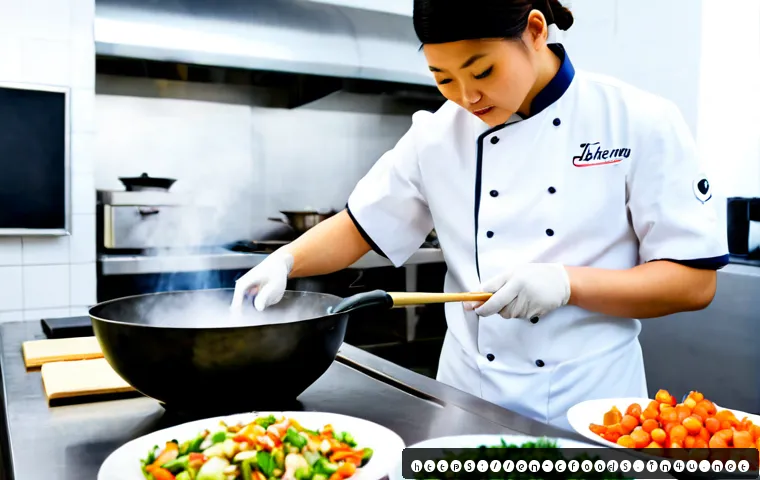
A Chinese cooking certificate can be a useful structured starting point if you need hands-on practice, instructor feedback, or a clearer path toward entry-level kitchen work.
A longer culinary program may offer better value when you also need broader kitchen training, repeated assessment practice, and career support. The right choice depends less on the certificate title and more on verified practical hours, total course costs, and local employer relevance.
Keep a training diary from the first class so you can see whether your knife work, sanitation, timing, and wok control are actually improving. Before enrolling, compare tuition with the cost of uniforms, knives, ingredients, transport, assessment fees, and possible retakes.
Requirements and recognition can differ by location, provider, and intended job, so confirm the details directly with the school and local authorities.
At a Glance
- A short hands-on certificate course can suit learners who want focused technique practice and a structured assessment route.
- A longer culinary program may be a better fit when you need broader professional kitchen skills, more practice time, and career-focused support.
- Compare total training cost, practical kitchen hours, assessment support, and local recognition before paying an enrollment deposit.
| Training Route | Best For | What to Compare | Watch For |
|---|---|---|---|
| Community cooking class | Home cooks exploring Chinese cooking techniques | Class size, kitchen access, ingredients, instructor feedback | May not include a formal assessment or certificate |
| Private culinary school | Career changers seeking a broader training experience | Culinary school tuition, practical hours, career services, equipment policy | Tuition alone may not show the full cost |
| Online theory course | Learners needing flexible food-safety or kitchen theory study | Provider recognition, practical requirements, assessment format | Online lessons do not automatically replace hands-on cooking practice |
| Hands-on certification program | People preparing for a practical culinary assessment | Exam support, mock assessments, ingredient fees, retake rules | Confirm the certificate’s relevance to your target employer or business plan |
What My Certification Journey Needed From Day One
The fastest way to define a realistic cooking goal
My first diary entry would not begin with a complicated dish. It would begin with one question: What do I need this training to help me do next? A home cook may want dependable stir-frying and steaming skills. An aspiring restaurant worker may need faster preparation, clean workstation habits, and confidence following kitchen instructions. Someone planning catering or a small food business may also need separate food-safety training and local permission checks.
What a Chinese cooking certificate can and cannot prove
A certificate may show that you completed a course or met a provider’s assessment standard. It does not automatically prove that every employer, restaurant, or local authority will treat it the same way. Certification names, eligibility rules, exam formats, and recognition vary by country, state, school, and certifying organization. Ask directly whether the course is designed for personal development, entry-level employment, or a specific professional credential.
A three-line plan for time, budget, and practice
Write three short commitments before you enroll: the hours you can attend, the amount you can spend in total, and the number of practice sessions you can realistically repeat. Separate mandatory course expenses from optional professional kitchen tool upgrades. This simple plan prevents a common problem: choosing a course that looks affordable until uniforms, knives, ingredients, transport, exam fees, or retake fees are added later.
Choosing a Training Route: Cost, Kitchen Time, and Career Value
Short practical courses versus longer culinary programs
A short practical course can be enough when your goal is focused: learn core Chinese cooking methods, prepare for a defined assessment, or test whether professional cooking suits you. A longer culinary program can make more sense when you want repeated kitchen exposure, wider technique training, and more time to build consistency. The useful comparison is not “short versus long” alone. It is how much supervised practical work you receive for the full training cost.
In-person classes, private instruction, and online theory modules
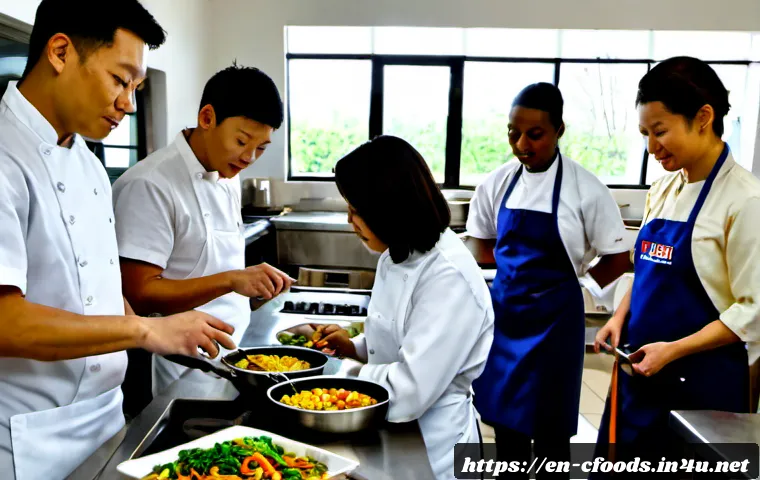
In-person classes are usually the clearest setting for correcting knife grip, workstation setup, wok heat control, and plating. Private instruction may provide highly specific feedback, but ask what is included before treating it as a complete certification route. Online modules can help with theory, recipe planning, and food-safety learning, yet they may not provide enough observation of practical skills. If a course combines formats, check exactly which parts count toward assessment preparation.
A comparison table for tuition, tools, ingredients, and assessment support
When comparing cooking course costs, build your own one-page worksheet. List the published tuition first, then add every stated or likely additional item: uniforms, knives, ingredients, transport, food-safety training, assessment fees, and retake fees. Next to each cost, note whether it is included, optional, or still unclear. This is more useful than selecting the lowest tuition figure without understanding the equipment bundle or ingredient policy.
Questions to ask before paying an enrollment deposit
Ask how many hours are spent cooking rather than watching demonstrations. Ask whether instructors give individual feedback and whether there is a mock practical assessment. Confirm what happens if you miss a class, need additional practice, or must retake an assessment. Finally, ask what certificate is issued, who issues it, and whether the provider can explain its relevance to the jobs or food-service pathway you have in mind.
Building My Week-by-Week Practice Diary
Knife skills, mise en place, and safe workstation habits
Use the first section of your diary for repeatable basics. Record what you cut, how evenly you cut it, how long preparation took, and whether your bench stayed organized. Mise en place is not just a neat row of bowls; it is a way to avoid rushed mistakes once cooking begins. Include a short sanitation check: clean tools, separate raw and ready-to-eat items where required, and a clear clean-down routine.
Learning wok heat, stir-frying, steaming, braising, and seasoning balance
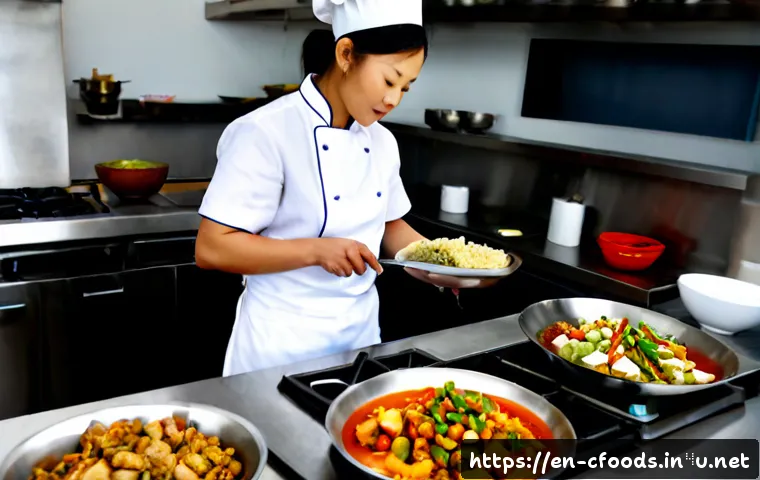
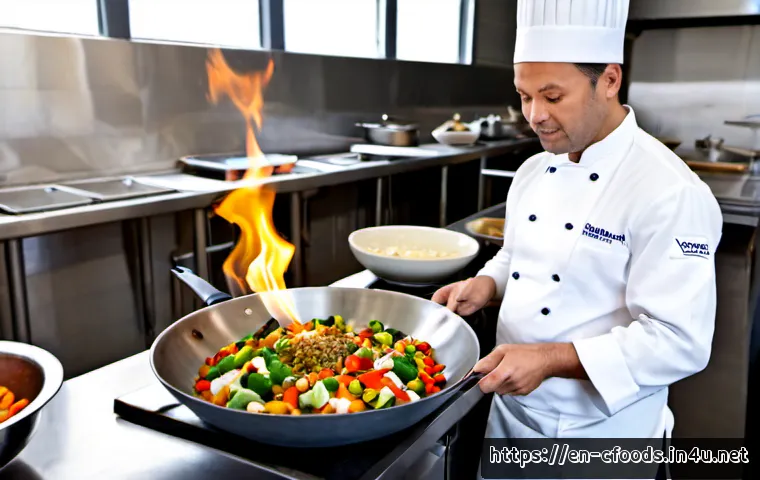
Chinese cooking training often requires attention to heat, sequence, and texture. In your diary, note when the wok felt underheated or overheated, when ingredients crowded the pan, and when a sauce reduced too quickly. For steaming and braising, record timing, moisture, tenderness, and seasoning balance. Do not simply write “good” or “bad.” Write the correction you would test next time, such as preparing ingredients in a different order or adjusting the cooking sequence.
How to record timing, errors, corrections, and repeatable results
A useful entry can be short: dish or technique, preparation time, cooking time, one error, one correction, and one result worth repeating. For example, you might note that preparation slowed down because ingredients were not portioned before heating the wok. The correction is clear: complete the setup first. Over several sessions, this diary becomes evidence of where you lose time and where your results are becoming consistent.
Creating a practice menu that matches likely assessment skills
Build practice menus around core abilities rather than chasing difficult recipes. Include preparation, knife work, sanitation, timing, cooking control, consistency, and presentation. If your provider shares an assessment outline, use that document as the main guide. If it does not, ask what techniques and standards are likely to be observed rather than relying on assumptions from unrelated courses.
Assessment Preparation and Common Mistakes to Avoid
Preparing ingredients without losing speed or consistency

Speed matters only when it does not damage consistency or cleanliness. Practice arranging ingredients in the order they will be used, checking quantities before cooking, and keeping waste under control. A rushed start can create problems that no final garnish will fix. Your goal is a calm workflow that can be repeated under observation.
Food safety, cross-contamination, and clean-down routines
Food safety is part of professional kitchen skills, not an afterthought. Follow the procedures taught by your course and confirm whether a separate food-handler or food-safety credential is needed for your intended employment. During practice, make sanitation visible in your diary: when you cleaned, how you handled raw ingredients, and whether your station was reset properly. This habit can reduce avoidable assessment-day errors.
Managing heat, timing, and plating under pressure
Under pressure, many learners change too many things at once. Keep your process simple: prepare, cook in sequence, taste when appropriate, plate cleanly, and clean down. If wok heat is unstable, focus on the immediate correction rather than adding extra ingredients or unnecessary garnish. Presentation matters, but it should not come at the expense of properly cooked food and a controlled workspace.
What to do if a dish does not go to plan during an assessment
Do not panic and do not hide a problem by making random changes. Assess what can still be corrected safely within the task: timing, seasoning balance, texture, or plating. Continue following sanitation procedures and manage the remaining time carefully. Afterward, document what happened in your diary so the mistake becomes a practice target rather than a repeated surprise.
Matching the Certificate to Your Next Step
For home cooks seeking structured skills
A practical class may be enough if your main goal is confidence with Chinese cooking methods and a more disciplined practice routine. Look for manageable class sizes, usable feedback, and clear ingredient arrangements. A formal certificate may be personally motivating, but it may not be necessary unless you have a separate employment or business goal.
For entry-level restaurant applicants
For restaurant applicants, practical kitchen time and reliable habits may matter as much as the certificate itself. Choose training that gives you chances to work cleanly, follow timing, receive correction, and understand professional kitchen expectations. Before assuming a certificate will help with hiring, check how local employers view that provider or course type.
For future food-stall, catering, or small-business plans
Cooking ability is only one part of a food business plan. Food-safety credentials, permits, inspections, and business requirements may apply depending on your location and operation. Treat culinary training as a foundation, then verify the local rules that apply before serving food commercially.
When additional food-safety training or business permits may matter
A culinary certificate and a food-handler credential are not always the same thing. A course may teach sanitation without issuing the credential required by a local employer or authority. Confirm requirements with the relevant local body and review the exact terms of the training provider before spending on an additional course.
Selection Criteria and Comparison Summary
Choose a course based on verified hands-on hours, not marketing language alone. Calculate the full cost, including tools, uniforms, ingredients, transport, assessment fees, and possible retakes. Check whether instructor feedback is individual and whether the assessment format is explained clearly. Confirm whether the certificate is relevant to your intended job, business, or personal learning goal. Compare total training cost, hands-on hours, and exam support on each provider’s official course page before enrolling.
Closing Thoughts
A Chinese cooking certification diary works best when it records small, honest improvements rather than perfect-looking dishes. Track the habits that transfer across recipes: preparation, sanitation, heat control, timing, and clean presentation. The most worthwhile course is the one that fits your next step and gives you enough supported practice to improve. Verify the details before paying, then use your diary to make every class count.
Useful Things to Know
1. Certificate requirements can differ by provider and location.
2. Tuition may not include uniforms, knives, ingredients, transport, assessment fees, or retake fees.
3. A separate food-safety credential may be needed for food-service work.
4. Hands-on feedback is especially valuable for knife work, wok technique, timing, and sanitation.
Important Notes
This guide is general information, not a statement of local certification or business requirements. Course duration, assessment format, eligibility, recognition, fees, and passing standards must be confirmed with the individual training provider and relevant local authority. Do not assume that one Chinese cooking certificate is accepted in every workplace or jurisdiction.
Frequently Asked Questions
Q1. How much does a Chinese cooking certification course usually cost?
A1. Costs vary by school, location, course format, and what is included. Compare tuition with uniforms, knives, ingredients, transport, assessment fees, and possible retake fees to understand the full training cost.
Q2. Is a Chinese cooking certificate worth it for getting an entry-level restaurant job?
A2. It may help show structured training, but its value depends on the provider, local employer expectations, and your practical skills. Look for a course with meaningful kitchen time, instructor feedback, sanitation training, and assessment preparation.
Q3. Should I choose a short hands-on course or a longer culinary school program?
A3. Choose a short course if you need focused technique practice or want to explore the field. Consider a longer program if you need broader professional kitchen skills, more supervised practice, and a more career-focused training route.