Build a focused plan for a Chinese cuisine practical cooking exam with skill priorities, timed practice methods, common mistakes, equipment considerations, and guidance on choosing training that fits your budget and schedule.
The fastest way to prepare is to confirm your current exam rules, practice complete dishes under time limits, and get feedback on weak techniques. Focus first on clean preparation, controlled wok cooking, accurate timing, and simple presentation rather than memorizing many recipes.
A paid culinary course can be useful when you need a commercial kitchen, instructor correction, or realistic mock assessments. Self-study can work well if you have reliable kitchen access, clear candidate materials, and enough time to repeat timed practice.
Before spending on coaching, equipment, or kitchen rental, check whether the option matches the practical test you will actually take.
At a Glance
- Confirm the current candidate rules first: dishes, time limits, permitted equipment, and scoring criteria can vary by provider and location.
- Practice full timed workflows: repeated mock tests are generally more useful than relaxed recipe practice.
- Buy training and equipment carefully: prioritize feedback and kitchen access before optional upgrades.
| Preparation Route | Feedback | Kitchen Access | Best Fit |
|---|---|---|---|
| Self-study | Limited unless you arrange peer or mentor review | Usually a home kitchen | People with basic skills, a workable kitchen, and time for repeated practice |
| Short practical workshop | Focused feedback on selected skills | Often includes supervised cooking time | People who need help with wok technique, knife work, or mock-test structure |
| Structured culinary course | More regular instructor feedback may be available | May include commercial-kitchen practice and mock assessments | Career changers or beginners who need a guided preparation system |
What Actually Improves Your Chances in a Practical Chinese Cooking Test
The most useful preparation is not simply cooking more dishes. It is building a repeatable process that produces accurate food, controlled timing, clean sanitation, and a finished plate under pressure. Practical culinary assessments commonly look at preparation, knife work, heat control, presentation, final taste, and how you manage your station from start to finish.
The Three Priorities: Accuracy, Timing, and Clean Execution
Start with accuracy. That means using the required ingredients correctly, preparing them in a consistent way, and following the expected method without improvising for its own sake. Next comes timing: ingredients should be ready before cooking begins, and each component should reach the plate while it is still at its best.
Clean execution is equally important. A dish may taste good, but preventable sanitation mistakes, a disorganized station, or rushed plating can weaken an otherwise solid performance. Treat every practice session as a chance to make your workflow calmer and more reliable.
Start by Confirming the Current Candidate Rules and Scoring Criteria
Before creating a study schedule, read the current information from the credential provider. Exam menus, scoring rubrics, permitted tools, time limits, registration details, and retake rules can differ depending on the certification and location.
Create a one-page reference sheet with the details you can verify. Include required dishes or categories, the expected sequence of work, allowed equipment, ingredient restrictions, sanitation expectations, and plating requirements. Do not rely on old videos, outdated course notes, or another candidate’s recollection when current official guidance is available.
A Simple Weekly Practice Structure for Busy Learners
A busy learner does not need to cook every day. The goal is deliberate repetition. One session can focus on knife consistency and ingredient setup. Another can focus on wok heat and sequencing. A third can be a full timed mock exam.
Keep a short practice log. Write down where time was lost, which ingredient released too much moisture, whether seasoning was balanced, and whether cleanup began early enough. This turns practice into measurable improvement instead of repeating the same habits.
Choose the Right Preparation Route: Self-Study, Workshops, or Culinary Courses
The right route depends on your budget, available kitchen, current skill level, and need for feedback. A culinary training course is not automatically necessary, but it can solve practical problems that self-study cannot easily solve, such as commercial-kitchen access or direct correction from an instructor.
When Self-Study Is Enough
Self-study may be a strong choice if you already cook comfortably, can safely practice with a wok or similar high-heat setup, and have verified exam guidance. It is especially practical when you can repeat full workflows rather than only watching demonstrations.
To make self-study more effective, use a timer, set up your station before starting, and ask a skilled cook or culinary mentor to review selected sessions when possible. Video can also help you notice inefficient movements, long pauses, late cleanup, or inconsistent knife work.
When Paid Coaching or a Practical Course Provides Better Value
Paid practical exam coaching may be worthwhile when you are new to professional kitchen routines, struggle with high-heat wok cooking, or do not have a suitable place to practice. A structured culinary course may also help if it offers instructor feedback, supervised practice, mock practical assessments, and kitchen access.
The useful part is not the course title alone. Look for a format that gives you enough hands-on time to correct mistakes. A short workshop may be enough for a specific weakness, while a longer course may fit someone who needs a broader foundation in preparation, sanitation, timing, and presentation.
Questions to Ask Before Enrolling or Paying for Kitchen Rental Time
- Does the training address the current practical exam format you are preparing for?
- How much supervised cooking time is included?
- Are mock practical assessments included, and is individual feedback provided?
- Are ingredients, equipment, and kitchen use included or charged separately?
- Can you confirm the equipment available before booking kitchen rental time?
- Does the schedule leave enough time for repeated practice between sessions?
Ask these questions before paying a deposit. Course approval status, pass-rate claims, included practice hours, and exact fees should be verified directly with the provider.
Build the Core Techniques Examiners Commonly Notice
High-impact techniques are usually more valuable than trying to memorize every possible variation of a recipe. Build skills that support many dishes: organized prep, consistent cuts, heat control, seasoning awareness, texture management, and clean plating.
Knife Consistency, Portion Control, and Efficient Prep
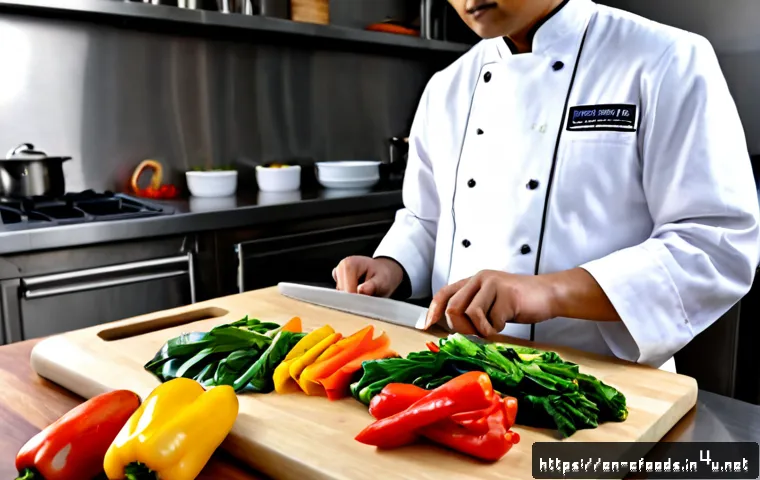
Knife work affects appearance, cooking speed, and texture. Ingredients cut to uneven sizes may cook unevenly, especially in fast wok cooking. Practice making cuts that are consistent enough to cook at a similar rate and look intentional on the final plate.
Do not chase speed before control. Start by setting up ingredients in the order you will use them. Then repeat the same cuts with attention to safety, uniformity, and waste reduction. Efficient prep is not frantic prep; it is knowing what must be ready before the pan gets hot.
Wok Heat, Ingredient Order, and Moisture Control
Wok cooking depends on controlled high heat, efficient sequencing, and moisture management. If too many ingredients enter the wok at once, the temperature can drop and excess moisture can build. This may make it harder to achieve the intended texture.
Practice the order of operations: prepare ingredients, heat the wok appropriately, add components in a sequence that suits their cooking needs, and avoid long pauses once cooking begins. Learn how vegetables, proteins, sauces, and aromatics affect moisture and timing in your own kitchen setup.
Home burners and commercial ranges can behave differently. If your exam venue uses a different style of equipment, a practical cooking class or commercial-kitchen practice session may help you adjust before test day.
Seasoning, Texture, and Plating Without Overcomplication
A practical test is not the place for unnecessary decoration. Aim for a plate that is clean, balanced, and appropriate to the dish. Check that food is properly cooked, seasoning is not forgotten, and the plate rim is clean before serving.
Build a final-check habit: taste when appropriate, assess texture, check portion balance, and plate with purpose. Keep garnish simple unless the exam requirements call for something specific. A clear, well-executed presentation is usually more dependable than a complicated design completed at the last minute.
Run Timed Mock Exams and Eliminate Common Errors
Timed practice is where separate skills become exam performance. It reveals whether your prep order, cleaning routine, cooking sequence, and plating plan actually work together. Repeated timed practice is generally more useful than untimed recipe practice because it exposes pressure points you may otherwise miss.
Set Up a Realistic Station and Mise en Place Checklist
Mise en place means organizing ingredients, tools, and tasks before active cooking begins. It reduces missed ingredients, rushed decisions, and avoidable sanitation errors.
- Read the dish requirements before collecting tools and ingredients.
- Prepare a clear area for raw ingredients and finished food.
- Arrange ingredients in cooking order.
- Check knives, pans or woks, utensils, plates, and cleaning supplies.
- Plan when you will wash, wipe, discard waste, and reset your station.
- Leave enough time for final tasting, plating, and a clean presentation area.
Practice the Full Workflow, Not Isolated Recipes Only

Practicing a sauce or stir-fry technique in isolation can be useful, but it does not fully prepare you for a practical exam. At least some sessions should include the entire workflow: setup, preparation, cooking, sanitation, plating, and cleanup.
Use a timer from the moment you begin. Do not pause it when something goes wrong. Instead, note the problem and complete the session. This teaches recovery, which is often more valuable than restarting every time a minor mistake happens.
Mistakes That Cost Time: Overcrowding, Late Cleanup, and Rushed Plating
Overcrowding a wok can create moisture problems and delay cooking. Late cleanup can leave you with a messy station just when you need to focus on the final plate. Rushed plating can turn a well-cooked dish into an untidy submission.
Other common time losses include searching for tools, cutting ingredients in the wrong sequence, forgetting a component until late in the process, and trying to correct seasoning after the dish has already gone too far. Your mock exams should identify which of these patterns affects you most.
How to Review Each Practice Session Objectively
Use the same review questions after each mock exam:
- Did I finish within my planned time?
- Were my ingredients prepared before they were needed?
- Did I maintain sanitation and an organized workstation?
- Were knife cuts reasonably consistent?
- Did the wok stay hot enough for the cooking method?
- Did moisture, texture, seasoning, and plating meet my intended standard?
Choose one or two improvements for the next session. Trying to fix everything at once can make practice unfocused.
Adapt Your Plan to Your Kitchen, Budget, and Experience Level
A useful preparation plan should fit your real situation. The best plan is not always the most expensive one; it is the one that gives you enough repetition, suitable equipment, and feedback for the skills you need to improve.
If You Have Only a Home Kitchen
A home kitchen can still support strong preparation practice. Work on knife skills, ingredient sequencing, sanitation routines, timing, seasoning, and plating. If your home setup does not create the heat or workspace you expect at the test venue, consider adding occasional practice in a commercial kitchen or attending a practical workshop.
Do not assume you need to replace every piece of equipment. First confirm what tools are allowed and what will be provided at the actual exam venue.
If You Are New to Wok Cooking or Knife Work
Beginners should usually start with knife safety and consistency, organized mise en place, and basic heat control. These skills support every recipe. Memorizing full dishes before you can prepare ingredients efficiently often leads to rushed cooking and poor timing.
A focused coaching session can be useful if you need someone to spot problems with grip, cutting rhythm, wok handling, or ingredient sequencing. The aim is not to imitate an instructor perfectly; it is to build a method you can repeat under test conditions.
If You Need Instructor Feedback Before Test Day
Look for practical exam coaching that includes observation during active cooking, not only demonstrations. The most useful feedback is specific: where you lost time, which cuts were inconsistent, when the wok temperature dropped, or how your station setup created extra work.
When comparing culinary training courses, ask whether feedback is individual, whether mock assessments are available, and whether you can repeat a technique after receiving correction.
Essential Equipment Versus Optional Upgrades
Essential equipment is whatever you need to practice the verified exam process safely and consistently. This may include dependable knives, a suitable wok or pan for your kitchen, basic utensils, cutting boards, storage containers, timers, and cleaning supplies.
Optional upgrades should wait until you have confirmed exam requirements. A premium wok, specialized knife set, or extra accessories may be useful for long-term cooking, but they do not replace timed practice, sanitation control, or reliable technique. Compare professional knife and wok equipment based on fit, handling, and your permitted exam tools—not marketing claims alone.
Selection Criteria and Comparison Summary Before You Book Training
Use this checklist before choosing self-study, a workshop, a culinary course, or commercial-kitchen practice:
- Verified exam alignment: Does the option reflect the current rules, dishes, and assessment format where you will test?
- Supervised practice: Will you receive feedback while cooking, not only after watching a demonstration?
- Kitchen suitability: Can you practice heat control, workflow, and station organization in a realistic environment?
- Total cost clarity: Compare tuition, ingredients, travel, equipment, kitchen rental, and possible retake-related costs.
- Schedule fit: Does the plan leave enough time for repeated timed practice before the exam?
Compare course inclusions before paying a deposit, and check the provider’s official details for current availability, equipment, practice hours, and enrollment conditions.
Final Thoughts
Practical Chinese cooking exam preparation is most effective when it is built around confirmed requirements and repeated timed execution. Focus on consistent knife work, controlled wok cooking, sanitation, sequencing, and calm plating. Choose paid coaching or a culinary course when it solves a clear problem, such as lack of kitchen access or the need for direct feedback. A simple, well-rehearsed workflow is more useful than an overcomplicated study plan.
Useful Things to Know
1. Keep your candidate information current because exam procedures can change.
2. Record timed practice sessions when possible; video can reveal inefficient movement and delayed cleanup.
3. Practice using a written checklist until your setup and final review become routine.
4. Confirm permitted tools before buying specialized chef equipment for exam preparation.
Important Notes
Exact exam dishes, scoring standards, passing scores, registration fees, retake policies, allowed equipment, and available training options depend on the credential provider and location. Verify these details through the current official candidate materials before booking a course, renting a kitchen, or purchasing equipment. A training provider’s approval status, pass-rate information, and included practice hours should also be confirmed directly.
Frequently Asked Questions
Q1. Is a paid culinary course necessary to pass a Chinese cuisine practical cooking exam?
A1. Not always. Self-study may be enough if you have clear current exam guidance, suitable kitchen access, and time to complete repeated timed practice. A paid course can offer better value when you need instructor feedback, commercial-kitchen access, or realistic mock assessments.
Q2. How much should I budget for practical exam preparation, including ingredients and equipment?
A2. Your budget depends on your location, the credential provider, how often you practice, your existing equipment, and whether you choose coaching, a course, or kitchen rental. Compare the full cost of tuition, ingredients, travel, equipment, and possible additional test attempts before committing.
Q3. What should beginners practice first: knife skills, wok technique, or memorizing full recipes?
A3. Start with knife safety and consistency, organized mise en place, and basic heat control. These skills make recipe practice more productive because they improve timing, texture, sanitation, and confidence during full mock exams.