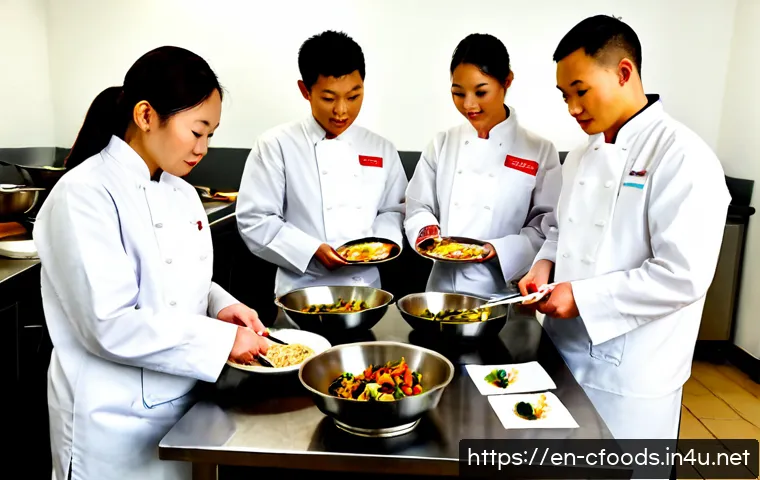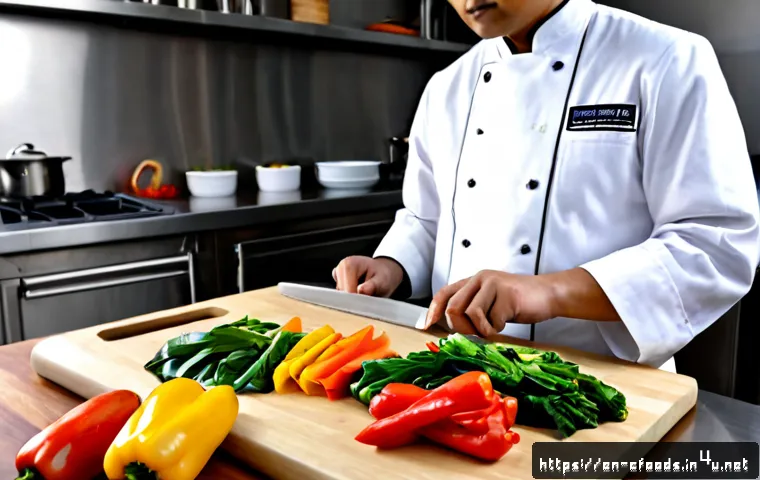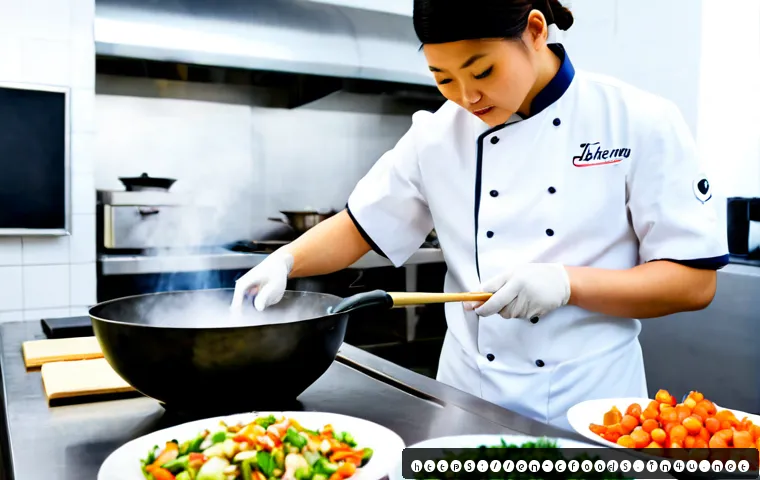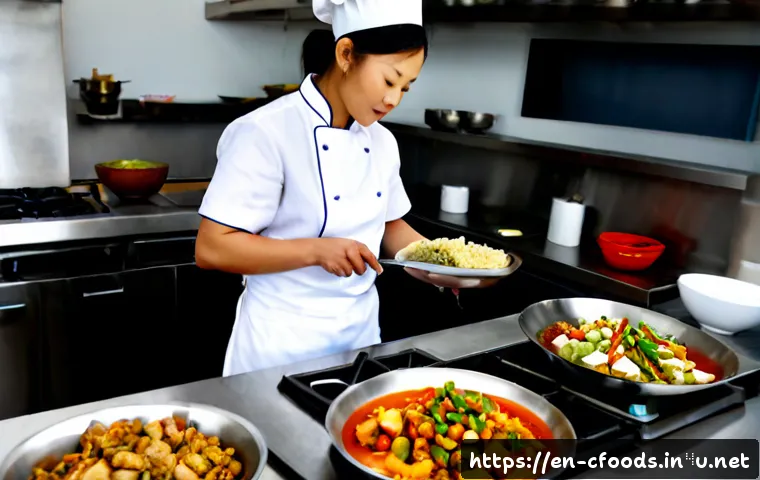
A realistic daily framework for Chinese cuisine certification candidates, including knife practice, recipe study, food-safety routines, mock tests, and how to judge whether paid classes or equipment are worth the cost.
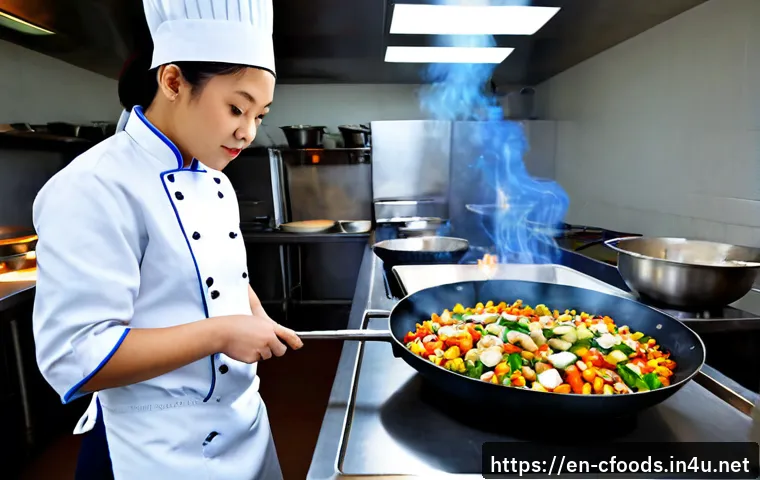
A productive Chinese cuisine certification-prep day should combine focused technical drills, food-safety habits, and at least one practice session that follows a realistic workflow.
Paid instruction is most useful when you need direct feedback, commercial-kitchen access, or a mock assessment that matches your selected credential. Start by confirming the exact practical-test rules, permitted ingredients, and accepted certificate requirements in your area.
Then build a routine around repeatable preparation rather than trying to cook many different dishes at once. A home kitchen can cover important foundations, while shared or professional kitchens may help with equipment, heat control, and time-pressure practice.
Keep spending decisions tied to a clear skill gap, not to the assumption that expensive chef tools or culinary school tuition automatically lead to a pass.
At a Glance
- Use separate practice blocks for knife work, recipe study, sanitation, and timed cooking so weak skills are easier to identify.
- Choose self-study for flexibility, but consider a cooking class or culinary certificate program when you need instructor feedback, equipment access, or assessment simulation.
- Budget beyond course tuition: exam registration, ingredients, uniforms, chef knives, safety gear, travel, and possible retest preparation may all matter.
| Training Route | Best Fit | What It Can Teach Well | Cost Categories to Review | Key Limitation |
|---|---|---|---|---|
| Self-study | Learners with solid kitchen basics and flexible schedules | Knife drills, recipe reading, mise en place, sanitation routines, repeat practice | Ingredients, basic kitchen tools, exam registration, travel | Limited external feedback and less access to commercial equipment |
| Local cooking class or workshop | Learners who need targeted correction without a full program | Technique demonstrations, heat control, plating feedback, guided practice | Class fees, ingredients, transport, personal tools if required | May not match your certificate’s exact assessment format |
| Culinary certificate program | Learners needing structure, kitchen access, and regular feedback | Workflow, professional-kitchen routines, timed practice, instructor review | Tuition, uniforms, knives, safety gear, ingredients, exam-related costs | Recognition and practical-test alignment must be confirmed before enrolling |
What a Productive Certification-Prep Day Actually Looks Like
Three priorities: technique, food safety, and repeatable timing
A useful prep day is not simply a long day in the kitchen. It is a day with a clear purpose: improve one technical weakness, protect food safety from the beginning, and repeat the same workflow until it becomes reliable. Chinese cuisine training often demands close attention to knife consistency, heat control, mise en place, sanitation, and timing. Those areas should appear in your daily routine even when you are not making a full dish.
Begin with one narrow goal. For example, you may focus on even vegetable cuts, organized ingredient preparation, or keeping a wok or pan at a workable heat level. Avoid changing every variable at once. If the recipe, ingredients, equipment, and technique all change in one session, it becomes difficult to understand what caused a weak result.
A sample morning-to-evening schedule for study and kitchen practice
A practical schedule can be divided into short, purposeful blocks. In the morning, review your selected certificate’s written instructions, assessment menu, or recipe requirements if those materials are available. Use this period for recipe reading, menu terminology, portion calculations, and a written mise en place plan.
Later, complete a technical drill without the pressure of producing a finished plate. Practice cutting, ingredient sorting, measuring, station setup, or safe cleaning procedures. In the main cooking session, prepare one recipe or one component while following a timer. Finish the day with a short review: what was prepared too early, what was delayed, what created unnecessary waste, and what should be changed next time?
If your work schedule is busy, split the routine across different days. Theory review can happen away from the kitchen. Knife practice, sanitation setup, and a timed mock assessment can be planned for separate sessions. Consistency is more useful than an occasional exhausting practice day.
How to record results in a cooking practice log
A cooking practice log turns vague impressions into useful feedback. Record the date, recipe or skill practiced, ingredient preparation sequence, equipment used, timing notes, sanitation checks, and final observations. Add a short section for waste: ingredients trimmed excessively, items overcooked, or components made but not used.
Write down one improvement target for the next session. “Improve knife speed” is too broad. “Prepare uniform cuts before heating the pan” is more actionable. This record is also useful when deciding whether a chef training course, shared kitchen, or professional instructor would solve a specific problem.
Build Skills Before You Cook Full Dishes
Knife cuts, ingredient preparation, and wok or pan heat control
Full dishes can hide weak fundamentals. A sauce may cover uneven cuts, and a good flavor may distract from poor station organization. Spend time on basic drills first. Practice safe, consistent knife handling and prepare ingredients in an order that supports cooking speed. Keep raw and ready-to-cook items organized to support both safety and timing.
Heat control also deserves separate practice. Whether you use a wok or a pan, observe how preparation speed affects cooking. If ingredients are not ready before heat is applied, rushed cooking can lead to poor timing, uneven results, or avoidable mess. A commercial kitchen may respond differently from a home kitchen, so learners preparing for a professional-equipment assessment should consider whether they need access to a shared kitchen or a supervised training environment.
Recipe reading, portion calculations, and menu terminology
Read a recipe before purchasing ingredients or turning on the stove. Identify each preparation task, the order of cooking, and the tools required. Check whether the recipe needs scaling for practice and make sure any change in portion size does not create confusion during a timed session.
Menu terminology can matter when a course or assessment uses formal instructions. Keep a personal glossary of unfamiliar ingredient names, cooking methods, and equipment terms. Do not assume that a recipe from an online source matches the required assessment recipe. Your selected certifying organization’s instructions take priority.
Food-safety habits to practice every session
Food safety should be part of the routine, not a last-minute cleanup task. Set up a clean work area, organize ingredients before cooking, and maintain an orderly station throughout the session. Practical cooking assessments may consider workflow, safety, organization, and waste control alongside the finished dish.
Practice cleaning as you work when appropriate, placing tools in a predictable location, and separating tasks clearly. These habits reduce stress when the time limit is running. They also help you notice whether your chosen kitchen setup is practical for the assessment style you expect.
Compare Self-Study, Cooking Classes, and Culinary Certificate Programs
What each route can teach effectively
Self-study is useful for repeated foundational practice. It gives you control over scheduling and lets you revisit one skill until it improves. It can be especially practical for knife drills, recipe analysis, and basic mise en place routines.
A local cooking class can provide focused feedback on posture, cutting technique, seasoning sequence, heat management, and station organization. A short workshop may be enough if you already understand the basics but need an experienced instructor to identify a recurring problem.
A culinary certificate program may be more suitable when you need structured chef training, regular practical evaluation, or commercial-kitchen exposure. However, a program’s name alone does not confirm that it meets the credential requirements you need. Check recognition, curriculum, kitchen access, and whether practical assessments resemble your target test.
Tuition, exam, ingredient, and equipment costs to budget for
Training costs are broader than course tuition. Build a checklist that includes culinary school tuition or class fees, certification exam registration, ingredients for repeated practice, uniforms, chef knives, safety gear, travel to a testing location, and possible retest preparation. Some learners also need to consider shared-kitchen rental or transportation to in-person training.
Before buying a large knife set or specialized equipment, check what the assessment location provides and what candidates are expected to bring. Buy for a confirmed need. A reliable basic setup may be more useful than adding tools that do not support the required workflow.
When instructor feedback may justify the added expense
Paid instruction may be worthwhile when you cannot identify why a dish or workflow repeatedly falls short. It can also help when your home setup does not resemble the equipment or time pressure used in the practical assessment. Ask a prospective instructor or program how they handle knife skills, sanitation, timing, waste control, and mock practical assessments.
Look for details rather than promises. A good training choice should explain what feedback you will receive, what equipment you can use, and whether the course aligns with your local certificate requirements. No class can guarantee a pass result, job placement, or future income.
Timed Practice, Mock Assessments, and Common Mistakes
Rehearse the complete workflow, not only the final plate

A mock assessment should begin before the first ingredient is cut. Read the recipe, gather equipment, plan your station, prepare ingredients, cook, plate, clean the work area, and review the result. This reveals problems that a casual home-cooking session may not show.
Use the same sequence repeatedly when possible. A repeatable method helps you identify where time is lost: reading instructions too late, searching for equipment, cutting after cooking has started, or trying to correct seasoning in a rush.
Avoid rushed seasoning, poor station organization, and excessive food waste
Common problems often come from poor preparation rather than a lack of effort. Rushed seasoning can happen when ingredients are not ready. A crowded station can lead to missed steps, unsafe handling, and unnecessary cleanup. Excessive trimming or unused prepared ingredients can indicate weak portion planning.
Prevent these issues by preparing only what the recipe needs, arranging tools before cooking, and keeping a clear discard area. During a timed session, do not abandon safety or organization just to move faster. Assessments may review the process as well as the finished dish.
Review weak points after every mock assessment
After each mock, review one technical result and one workflow result. For example, a dish may have acceptable flavor but uneven cuts, or it may look finished while the station remains disorganized. Choose one correction for the next attempt.
If the same issue continues after several focused attempts, that is a practical signal to seek feedback. A targeted class, instructor session, or commercial-kitchen practice booking may offer better value than repeating the same mistake with more ingredients.
Adjust the Routine for Home Kitchens, Work Schedules, and Limited Budgets
Short practice sessions for busy learners
Not every session must include a complete meal. A short session can cover one knife-cut pattern, a mise en place sequence, recipe terminology, or a sanitation routine. Keep these small sessions connected to your larger certification goal.
Reserve longer sessions for full workflow practice. If possible, schedule them when you can work without interruptions. Timed cooking is most useful when you can follow the preparation and cleanup sequence without stopping midway.
Lower-waste ingredient planning without compromising skill development
Plan practice recipes around overlapping ingredients when permitted by your recipe requirements. Use a shopping list, decide which components will be practiced first, and avoid buying large quantities before you know whether they are needed. Record waste in your practice log so you can improve both preparation and purchasing decisions.
Do not replace required ingredients or ignore assessment rules simply to reduce costs. If the certificate specifies ingredients, methods, or menu items, confirm the official guidance before changing your practice plan.
When to book shared-kitchen or professional-kitchen practice
A home kitchen can support foundational training, but commercial-kitchen experience may be valuable when an assessment uses professional equipment or strict time limits. Consider booking practice space when you need to understand unfamiliar equipment, work with a larger station, or rehearse in a setting closer to the test environment.
Before paying for a booking, make a specific plan. Know what recipe or workflow you will practice, what equipment is available, and whether you need to bring knives, uniforms, safety gear, or ingredients.
Selection Criteria and Comparison Summary
Choose your training route by checking the points below before committing to course tuition, tools, or kitchen rental.
- Do you already have dependable fundamentals in knife skills, sanitation, preparation, and timing?
- Does your target certificate require a practical test, a specific menu, professional equipment, or a particular credential?
- Can your home kitchen support realistic practice, or do you need commercial-kitchen access?
- Would direct instructor feedback solve a known weakness more efficiently than self-study?
- Have you listed the full cost: tuition, exam registration, ingredients, uniforms, chef tools, safety gear, travel, and retest preparation?
- Is the course or program recognized for your local goal, or does it simply offer general cooking instruction?
If you are comparing cooking classes or culinary certificate programs, review the official course details for kitchen access, required equipment, assessment practice, total fees, and credential recognition before paying.
Closing Thoughts
Preparing for a Chinese cuisine certification is easier to manage when each practice session has one clear purpose. Build fundamentals first, then test them through timed, organized cooking practice. A paid class or structured program can be valuable, but only when it addresses a real need such as feedback, commercial equipment, or assessment simulation. Confirm local rules before treating any training route as the right one for your exam.
Useful Things to Know
Practice logs reveal patterns. They help you see whether the issue is speed, preparation order, knife consistency, heat control, or station organization.
Equipment should follow the test requirements. Check what is supplied and what candidates must bring before purchasing chef knives or specialized tools.
Mock assessments should include cleanup. The finished dish is only part of the workflow.
Important Notes
Certification requirements, accepted credentials, practical-test formats, exam fees, passing scores, permitted ingredients, and assessment menus vary by country, state, school, and certifying organization. Confirm the current requirements directly with the relevant local authority, school, or certifying body. Self-study, classes, and culinary programs can support preparation, but none can guarantee an exam pass, employment outcome, or income level.
Frequently Asked Questions
Q1. How many hours a day should I practice for a Chinese cuisine certification?
A1. The right amount depends on your current skill level, work schedule, and the requirements of your selected certificate. A focused routine with separate blocks for theory, technical drills, and timed cooking can be more effective than long, unplanned sessions. Track results and increase full mock assessments as the test date approaches.
Q2. Is a paid culinary class worth the cost for a cooking certificate exam?
A2. It may be worth the cost if you need instructor feedback, commercial-kitchen experience, access to equipment, or realistic mock assessments. If you already have strong fundamentals and your exam requirements are clear, self-study may cover much of the preparation. Compare total tuition and related costs against the specific skill gap you need to solve.
Q3. What equipment should I buy first if I am preparing at home on a budget?
A3. Start with the equipment required for safe, repeatable foundational practice and confirm the assessment rules before buying more. Your needs may include basic knife tools, safety gear, and equipment that supports ingredient preparation and cooking practice. Avoid purchasing specialized items until you know they are relevant to your local certificate or practical-test setup.