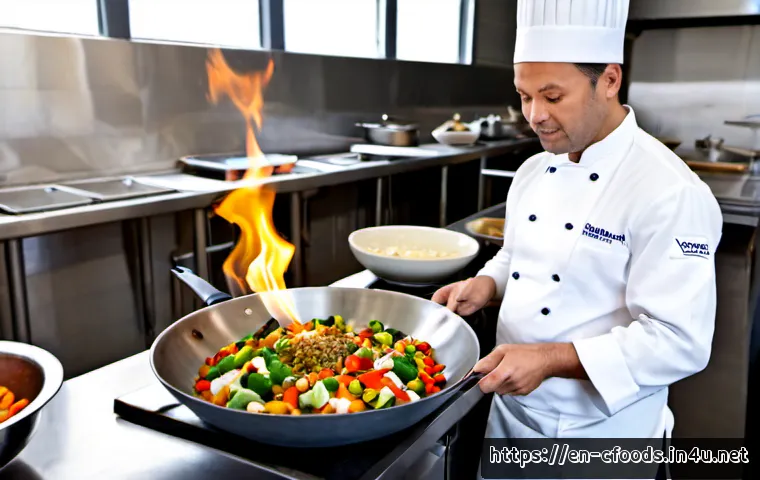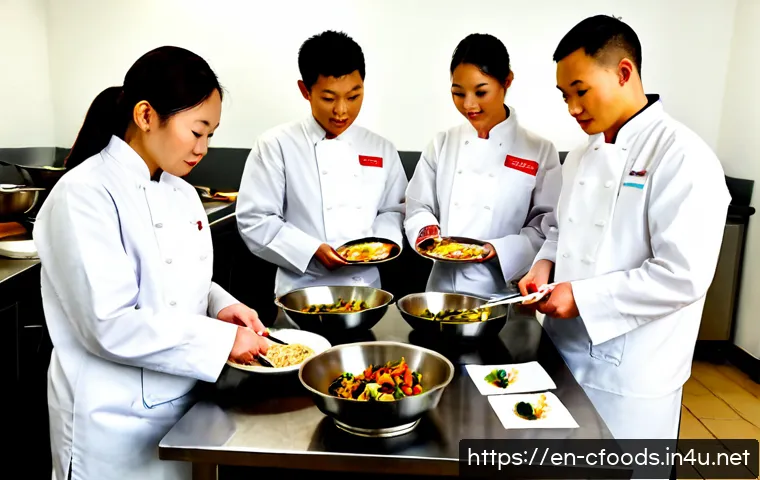
A Chinese culinary certification study group can be a practical choice if you need regular hands-on repetition, shared ingredient planning, and peer accountability.
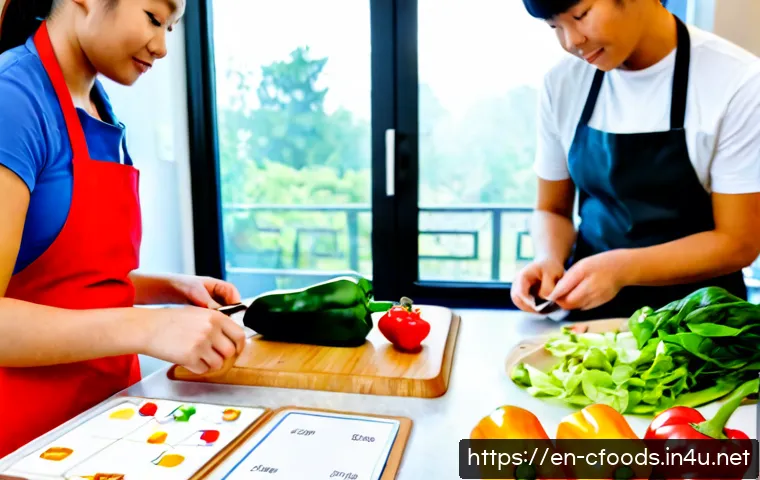
It works best when the group follows the current candidate handbook and adds professional feedback when technique problems persist. Beginners often benefit from an instructor-led class alongside peer practice, while experienced home cooks may use a focused group to improve speed, consistency, and presentation.
The right format depends on your kitchen access, budget categories, and how much direct correction you need. Shared sessions can lower waste and equipment costs, but only if members plan recipes, shopping, and responsibilities in advance.
Before joining any group, confirm the official requirements for your specific certificate and test location.
At a Glance
- A peer-led study group is useful for repeat practice, shared shopping, and accountability.
- An instructor-led culinary class may be a better fit when you need hands-on correction or realistic practical-test feedback.
- Always match practice sessions to the current official candidate handbook, food-handling rules, and available kitchen equipment.
| Preparation Format | Best For | Main Cost Categories | Key Limitation |
|---|---|---|---|
| Peer study group | Regular practice and shared accountability | Ingredients, shared equipment, kitchen access | Feedback may be inconsistent |
| Instructor-led culinary class | Beginners or cooks who need direct correction | Tuition, ingredients, class materials | Practice time may be limited outside class |
| Private coaching | Specific technique gaps or repeat test-takers | Instruction, kitchen use, ingredients | Usually requires the highest individual spend |
Is a Study Group the Right Way to Prepare for a Chinese Culinary Certificate?
The fastest answer for beginners, experienced home cooks, and repeat test-takers
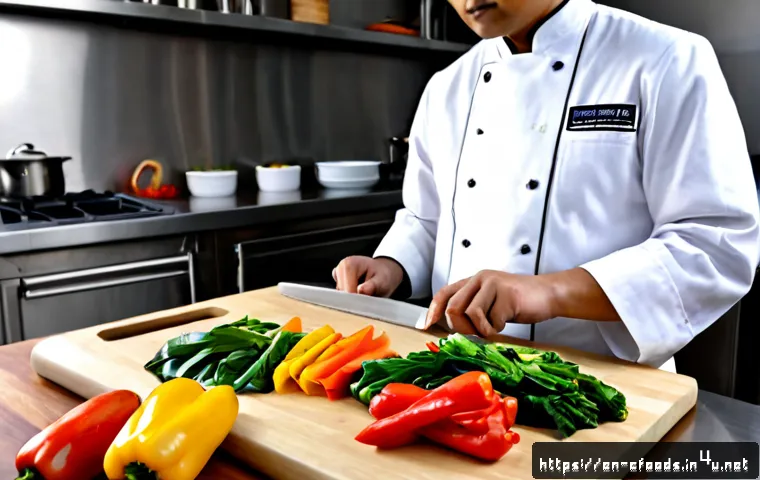
If you are new to Chinese cooking techniques, a study group is most useful when at least one member can organize practice clearly or when you also attend a culinary class. You may need direct help with knife work, wok handling, heat control, sauce consistency, and clean plating. An experienced home cook may get more value from a peer group because repeated timed practice can expose small errors that do not appear during casual cooking.
For repeat test-takers, the best group is usually one that treats each session as a focused skills rehearsal rather than a social cooking event. Choose members who are willing to use timing sheets, review mistakes, and practice the same required techniques consistently.
What a study group can improve—and what it cannot replace
A well-run group can improve repetition, pace, purchasing efficiency, and confidence. Members can divide ingredient lists, compare presentation, and keep each other accountable for arriving prepared. It can also reduce waste when recipes are planned together and ingredients are used across several dishes.
However, a group cannot replace official rules, approved exam-prep materials, or qualified assessment. If a practical cooking exam requires specific dishes, equipment, eligibility documents, or sanitation procedures, verify those details with the certifying organization. Do not assume a recipe shared by another member reflects the current assessment standard.
Confirm official requirements before scheduling practice sessions
Read the current candidate handbook before you set a study schedule. Check the required techniques, practical-test format, allowed equipment, timing expectations, and any local food-handling requirements. This prevents a common problem: practicing an outdated method for weeks because the group relied on old notes or informal advice.
Compare Peer Groups, Paid Classes, and Private Coaching Before You Spend
Cost categories: ingredients, kitchen access, instruction, and retake risk
Do not judge a cooking course or study group by the entry cost alone. A peer group may look inexpensive until members separately buy specialty ingredients, duplicate tools, or pay for last-minute kitchen rental. A paid culinary prep class may include equipment access and structured instruction, which can make the total decision easier to evaluate.
List the expected categories before committing: ingredients, transport, kitchen rental, wok stations, knives, protective clothing, course materials, and instructor time. Shared purchasing works best when the group agrees in advance on quantities, substitutions, storage, and how unused ingredients will be handled.
Feedback quality, accountability, and practical-test realism
Peer feedback can be valuable when it is specific. “The dish looks good” is less useful than “the knife cuts varied in size” or “the plating was completed after the planned finish time.” Use a simple review sheet after each session. Include technique, timing, sanitation, workstation organization, flavor balance, and presentation.
Paid instruction can add value when an instructor can identify the reason behind a repeated issue. This matters if you are practicing often but not improving. A group can notice a problem; an experienced culinary instructor may be better positioned to demonstrate a correction and observe whether you can repeat it.
When a paid culinary instructor offers better value
Consider a paid class, workshop, or individual assessment if your group lacks safe kitchen access, appropriate cooking equipment, or reliable feedback. It may also make sense when members disagree about the exam standard or when your timed practice remains inconsistent. Paying for targeted correction can be more sensible than continuing unfocused practice and potentially facing another exam attempt.
Build a Practice Plan That Covers Technique, Timing, and Food Safety
Create a rotating station plan for knife work, wok cooking, sauces, and plating
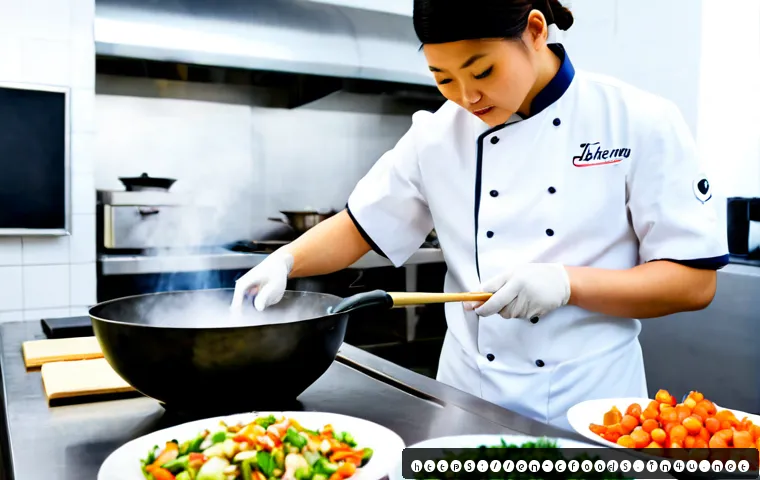
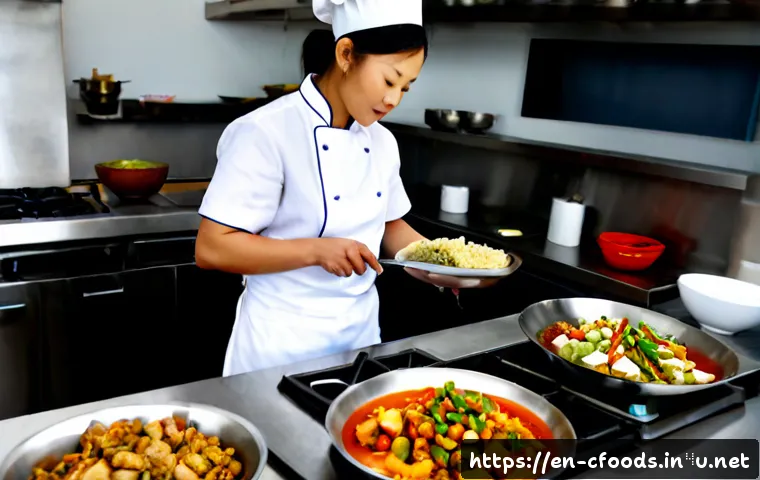
Give every member an active role. Rotate stations so stronger cooks do not handle the wok every time while newer members only chop vegetables. A useful session can include knife preparation, heat management, sauce preparation, plating, cleaning, and final review. Rotate responsibilities at the next session.
Use the actual equipment available to you whenever possible. If the practical assessment is hands-on, online discussion alone may not reveal problems with wok control, movement, pacing, or workstation layout.
Use timed mock assessments and simple scoring sheets
Start with one skill at a time, then combine skills into a timed mock assessment. One member can observe while others cook, then rotate. Record what caused delays: missing mise en place, unclear recipe order, poor knife consistency, overcrowded pans, or unplanned cleanup.
Keep scoring sheets simple enough to use every time. The goal is not to invent an official scoring method. It is to build a repeatable record of whether each cook met the group’s practice target and what should change next time.
Share purchasing lists without overspending on specialty ingredients
Create one shopping list before each session, not several separate lists. Group ingredients by recipe and note which items can be shared. Confirm allergies and dietary restrictions before buying or cooking. Store foods safely, prevent cross-contamination, and follow applicable local food-handling rules.
A practical approach is to assign one person to coordinate purchasing, another to check equipment, and another to document leftovers. This reduces duplicate spending and makes the next session easier to organize.

Common Study-Group Mistakes That Can Slow Down Exam Preparation
Practicing recipes without testing core techniques
Cooking a familiar dish repeatedly can feel productive, but certification preparation commonly depends on repeatable technique, timing, sanitation, knife skills, and consistent presentation. Build sessions around the skills your official materials identify, not only the recipes members enjoy making.
Ignoring sanitation, cross-contamination, and allergen planning
Food safety should be part of practice, not an afterthought. Agree on handwashing, cleaning surfaces, handling raw ingredients, labeling shared items, and managing allergens before cooking begins. A messy practice kitchen makes it harder to assess timing and can create avoidable safety problems.
Letting stronger cooks take over every session
A group loses its value when one confident member completes the difficult tasks while others watch. Watching can help, but each participant needs hands-on repetitions. Set roles in advance and make sure everyone has a chance to practice the skills they need most.
Choose the Best Format for Your Schedule and Kitchen Access
Weekend practice groups for workers and students
Weekend sessions can work well for people with limited weekday availability. Keep the scope realistic: plan the recipes, shopping, station assignments, and cleanup responsibilities before arrival. A short, focused practice session is often more useful than an unstructured day in the kitchen.
Online planning plus in-person cooking sessions
Online meetings are useful for reviewing the candidate handbook, building shopping lists, discussing recipes, and assigning tasks. Use in-person sessions for the work that needs physical repetition: knife control, wok cooking, sanitation routines, timing, and plating. This blended format can make kitchen time more efficient.
When to use a rented kitchen, community class, or school facility
Consider a rented kitchen, community cooking class, or school facility when home kitchens do not provide enough workspace or suitable equipment. Before booking, confirm what is included, whether wok stations are available, what cleaning rules apply, and whether the facility permits the kind of group practice you plan to do.
Selection Criteria and Comparison Summary
Choose a format based on group size, kitchen access, available equipment, budget categories, feedback quality, and your current skill gap. A peer group is often a sensible starting point if members are dependable and follow a shared practice plan. Add a local culinary class or individual assessment when you need reliable correction, more realistic kitchen practice, or help interpreting technique requirements. Compare local classes, kitchen-rental options, and approved study materials by checking what instruction, equipment access, and practical practice time are included.
Closing Thoughts
A Chinese culinary certification study group can make preparation more organized and less wasteful when members share responsibilities. The strongest groups practice skills deliberately, protect food safety, and review progress honestly. Treat the group as a support system rather than a replacement for official guidance. If progress stalls, targeted instruction may be the more efficient next step.
Useful Things to Know
Plan before buying: shared ingredient lists can reduce duplicate purchases.
Practice under time pressure: timing problems are easier to see in a mock assessment.
Rotate tasks: every member should practice the difficult stations, not just observe them.
Document feedback: a short written review helps the next session stay focused.
Important Notes
Certificate providers, practical assessments, fees, eligibility rules, required dishes, scoring methods, and retake policies vary by location and organization. Confirm the current official candidate handbook before relying on any study plan, class outline, or peer advice. Also verify that your chosen kitchen and equipment are appropriate for the practical skills you need to practice.
Frequently Asked Questions
Q1. Is a Chinese culinary certification study group enough to pass a practical cooking exam?
A1. It can be a helpful preparation tool, especially for repetition, timing, and shared practice. It is not a substitute for checking official exam requirements, and some cooks may need instructor feedback for technique correction or realistic practical-test preparation.
Q2. Is it better to join a free peer group or pay for an instructor-led culinary prep class?
A2. A peer group may suit cooks who already understand the required techniques and need regular practice. An instructor-led class may be a better choice if you are a beginner, need direct feedback, lack suitable equipment, or are unsure whether your practice meets the current standard.
Q3. What should members share the cost of when practicing Chinese cooking techniques together?
A3. Members can consider sharing ingredients, kitchen access, equipment use, cleaning supplies, and agreed course materials. Decide how costs will be divided before shopping, and include allergy awareness, safe storage, and leftover handling in the plan.