5 Proven Ways Culinary Certification Boosts Your Career in Chinese Cuisine

webmaster

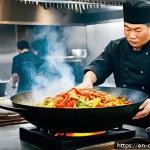
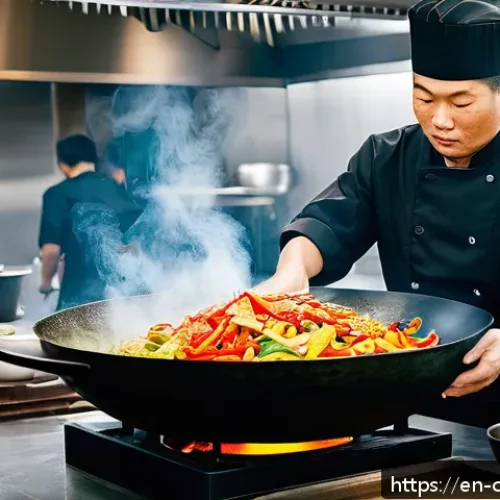
중식조리 자격증 취업 활용 사례 - A professional Chinese chef in a high-end restaurant kitchen, wearing a clean, traditional chef’s un...

Earning a certification in Chinese culinary arts opens doors to a variety of exciting career opportunities in the food industry. From working in renowned restaurants to becoming a specialized chef in international hotels, this qualification showcases your skills and dedication.

중식조리 자격증 취업 활용 사례 관련 이미지 1

Many employers value certified chefs who bring authenticity and expertise to their kitchens, making it easier to climb the professional ladder. Plus, with the global rise in popularity of Asian cuisine, having this credential can give you a competitive edge.

Whether you’re aiming to start your own business or join a prestigious team, this certification is a powerful asset. Let’s dive deeper and explore how you can make the most of this qualification!

Expanding Horizons in Culinary Careers with Chinese Cuisine Certification

Joining High-End Restaurants and Specialty Kitchens

Securing a certification in Chinese culinary arts often paves the way to positions in upscale restaurants that emphasize authentic Asian flavors. From my experience, chefs with such credentials are highly sought after because they bring genuine techniques and recipes that elevate the dining experience.

Working in these kitchens isn’t just about cooking; it’s about storytelling through food, blending tradition with innovation. I’ve noticed that certified chefs tend to be entrusted with crafting signature dishes, which not only enhances their creative freedom but also boosts their reputation.

This kind of environment encourages continuous learning and mastery, making it a fantastic stepping stone for anyone serious about a culinary career.

Opportunities in International Hotels and Resorts

International hotels constantly seek chefs skilled in diverse cuisines to cater to their global clientele. A Chinese culinary certification significantly increases your chances of landing a role in these prestigious settings.

From what I’ve seen, these positions often come with the added perks of professional development programs and exposure to a wide range of culinary styles.

Working in a hotel environment also means you get to collaborate with chefs from various backgrounds, expanding your skill set and network. Moreover, hotels frequently participate in international food festivals, offering you the chance to showcase your expertise on a larger stage.

Teaching and Culinary Education Roles

With a certified background, stepping into culinary education is another rewarding path. Experienced chefs often transition into teaching roles, sharing their knowledge with aspiring cooks.

Based on conversations with industry peers, many find teaching fulfilling because it allows them to give back and shape the future of Chinese cuisine.

Plus, educational institutions value instructors who hold recognized certifications as it assures students of quality training. This career route offers a stable income and often includes opportunities for recipe development and writing cookbooks or articles.

Advertisement

Launching Your Own Culinary Venture

Starting a Chinese Food Restaurant or Food Truck

One of the most exciting ways to leverage your certification is by opening your own Chinese food establishment. Whether it’s a full-scale restaurant or a trendy food truck, the certification adds credibility that can attract customers seeking authentic flavors.

From my observations, chefs who’ve taken this entrepreneurial leap often highlight the importance of blending tradition with local tastes to appeal to a broader audience.

The certification not only reassures patrons about food quality but also helps when applying for business loans or permits, as it demonstrates professionalism and expertise.

Creating a Specialty Catering Business

Catering is another thriving sector where certified Chinese chefs can shine. Offering specialized menus for events like weddings, corporate functions, or cultural festivals can be highly lucrative.

I’ve spoken to caterers who emphasize that their certification helped them secure contracts with upscale clients who demand authenticity and quality. Catering also allows for creative freedom in menu design, often mixing classic dishes with modern presentation styles.

This flexibility, paired with a strong culinary background, can help you build a loyal clientele and grow steadily.

Developing Online Culinary Content and Products

In today’s digital age, many chefs monetize their expertise through online platforms. Certified Chinese culinary artists can create cooking tutorials, recipe blogs, or even launch product lines such as sauces and spice blends.

From personal experience, having formal certification boosts your authority, making your content more trustworthy and appealing to viewers. Monetization options include ad revenue, sponsored content, and selling digital cookbooks.

This avenue also offers the freedom to work from anywhere and connect with a global audience passionate about Chinese cuisine.

Advertisement

Advancing Within the Culinary Industry Through Certification

Climbing the Chef Hierarchy

Certification is often a key factor in progressing from line cook to sous chef and eventually to executive chef roles. Employers value the discipline and specialized knowledge that come with formal credentials.

I’ve noticed that chefs with certifications tend to get promoted faster because they have proven technical skills and a deeper understanding of culinary principles.

This advancement usually comes with increased responsibility, better pay, and the opportunity to influence kitchen operations and menu development.

Specializing in Regional Chinese Cuisines

Chinese cuisine is incredibly diverse, encompassing styles from Sichuan’s spicy dishes to Cantonese dim sum. Certification programs often offer specialization tracks that allow chefs to deepen their expertise in a particular regional style.

This specialization can differentiate you in the job market and open doors to niche restaurants or culinary projects focused on authentic regional fare.

I’ve found that clients and employers appreciate chefs who can authentically represent these varied traditions, often leading to consulting roles or guest chef invitations.

Consulting and Menu Development Roles

Experienced certified chefs frequently move into consulting, advising restaurants on menu creation, kitchen setup, and staff training. From what I’ve gathered, this role leverages both culinary expertise and business acumen.

Consultants help establishments maintain authenticity while adapting to market trends, which is invaluable for success. This career path offers flexibility and the chance to impact multiple venues without being tied to a single kitchen.

Advertisement

Enhancing Global Career Prospects with Certification

Working Abroad in Culinary Hotspots

Chinese culinary certification can be a passport to international opportunities in cities renowned for their food scenes, such as New York, London, or Sydney.

I’ve met chefs who traveled abroad with their certification in hand and quickly secured jobs in prestigious restaurants or culinary schools. Being certified signals to employers worldwide that you possess authentic skills and commitment.

The global demand for Asian cuisine means you can find exciting roles in diverse cultural environments, enriching your professional and personal growth.

Joining Culinary Competitions and Showcases

Competitions are a fantastic way to gain recognition and network within the industry. Certified chefs often have an advantage because their training equips them with advanced techniques and presentation skills.

Participating in events like the World Chinese Culinary Competition or local chef challenges can boost your profile significantly. I personally have seen how competing raises a chef’s visibility, leading to sponsorships, media appearances, and even cookbook deals.

Building a Personal Brand and Reputation

In the era of social media, chefs who combine certification with an engaging online presence can build powerful personal brands. This blend attracts followers, job offers, and collaboration opportunities.

중식조리 자격증 취업 활용 사례 관련 이미지 2

I’ve witnessed chefs who started sharing their culinary journey online and, thanks to their credentials, quickly gained credibility and fans worldwide.

This reputation can translate into invitations to culinary festivals, guest chef spots, and endorsements that supplement income and career growth.

Advertisement

Understanding the Market Value of Chinese Culinary Certification

Salary Expectations Across Different Roles

Having a certification typically results in higher starting salaries and better negotiating power. For example, line cooks without certification might earn around $30,000 annually, whereas certified chefs in specialized roles can command $50,000 or more depending on location and experience.

Executive chefs with certification and years of expertise often surpass six figures, especially in major metropolitan areas.

Job Security and Demand Trends

The rising popularity of Asian cuisine means certified chefs enjoy strong job security. Restaurants continuously seek talent to meet customer demand for authentic dishes.

I’ve noticed that during economic fluctuations, chefs with certifications tend to retain employment better due to their verified skills and versatility.

Long-Term Career Growth and Benefits

Certification not only boosts immediate job prospects but also contributes to long-term career stability and benefits like health insurance and retirement plans.

Employers often offer additional perks to certified chefs, recognizing their investment in professional development. This creates a more sustainable and rewarding career path.

Career Path Average Salary Range (USD) Key Benefits
Line Cook (Certified) 30,000 – 40,000 Better job placement, skill validation
Sous Chef 45,000 – 60,000 Leadership roles, increased responsibility
Executive Chef 70,000 – 120,000+ Menu control, higher income, prestige
Restaurant Owner Varies widely Business autonomy, brand building
Culinary Educator 40,000 – 70,000 Stable income, mentoring opportunities
Culinary Consultant 60,000 – 100,000+ Flexible schedule, multiple clients
Advertisement

Leveraging Certification for Networking and Professional Growth

Connecting with Industry Associations

Certification often grants access to exclusive culinary associations and groups. These organizations host workshops, seminars, and networking events that are invaluable for career development.

From attending a few of these events myself, I can attest they’re great for meeting mentors and peers who can open doors or provide advice.

Participating in Workshops and Continuing Education

Many certification programs encourage ongoing education to keep skills sharp and updated with the latest trends. This continual learning process helps maintain your competitive edge.

I personally find that attending advanced workshops refreshes my knowledge and sparks new ideas for dishes or kitchen management.

Building Mentorship Relationships

Being certified often connects you to seasoned chefs willing to mentor newcomers. These relationships are priceless, offering guidance on everything from perfecting techniques to navigating career challenges.

I’ve benefited greatly from mentors who helped me refine my style and make smarter career moves.

Advertisement

Utilizing Certification for Personal Branding and Marketing

Highlighting Certification in Resumes and Interviews

When job hunting, prominently displaying your Chinese culinary certification on your resume immediately sets you apart. In interviews, it provides concrete proof of your skills and commitment.

I always recommend candidates prepare stories about how their certification training influenced their cooking style or problem-solving in the kitchen.

Creating a Portfolio of Signature Dishes

A certification often inspires chefs to develop unique dishes that reflect their training. Documenting these creations with photos and recipes builds a compelling portfolio.

Sharing this portfolio online or during interviews can impress employers or clients and increase your marketability.

Engaging with Food Media and Reviews

Certified chefs can leverage their expertise to gain media attention, from local food bloggers to industry magazines. Positive reviews and features raise your profile and attract more opportunities.

I’ve seen chefs collaborate with food critics and influencers who amplify their reach, leading to higher-paying gigs and endorsements.

Advertisement

Conclusion

Obtaining a Chinese culinary certification opens doors to a wide range of career opportunities, from working in prestigious kitchens to launching your own food business. It not only validates your skills but also enhances your credibility in a competitive industry. With dedication and continuous learning, this certification can significantly elevate your culinary journey and professional growth.

Advertisement

Useful Information to Keep in Mind

1. Certification increases your chances of securing jobs in high-end restaurants and international hotels, where authentic skills are highly valued.

2. Entrepreneurial ventures like restaurants, food trucks, and catering businesses benefit from the credibility and professionalism certification provides.

3. Teaching and consulting roles offer stable income and the chance to shape the future of Chinese cuisine through education and menu development.

4. Participating in culinary competitions and building an online presence can amplify your personal brand and open doors to sponsorships and collaborations.

5. Networking through industry associations and mentorship programs enhances professional growth and helps maintain a competitive edge.

Advertisement

Key Takeaways

Chinese culinary certification is a valuable asset that not only improves employment prospects but also supports long-term career advancement and financial stability. It empowers chefs to specialize, innovate, and share their expertise while connecting with a global community. Whether you aim to climb the culinary ladder, start your own business, or become an educator, this credential provides a strong foundation for success in the vibrant world of Chinese cuisine.

Frequently Asked Questions (FAQ) 📖

Q: How can a certification in Chinese culinary arts improve my chances of getting hired in a top restaurant?

A: Having a certification in Chinese culinary arts signals to employers that you possess authentic skills and a deep understanding of traditional techniques and flavors.
Many high-end restaurants and hotels look for chefs who can deliver genuine and high-quality dishes, and this certification serves as proof of your dedication and expertise.
From my experience, certified chefs often get priority during hiring because they reduce the training time and bring credibility to the kitchen team.

Q: Can this certification help me start my own Chinese cuisine restaurant or food business?

A: Absolutely! Earning a certification not only boosts your cooking skills but also enhances your confidence and knowledge about ingredient sourcing, menu planning, and presentation.
When you’re starting your own business, customers tend to trust chefs with formal qualifications, which can give you a competitive edge in a crowded market.
Plus, it helps when negotiating with suppliers or partners because you speak the language of the trade professionally.

Q: Is this certification recognized internationally, and can it help me work abroad?

A: Yes, many certifications in Chinese culinary arts are recognized globally, especially if they come from reputable institutions or culinary associations.
This opens up opportunities to work in international hotels, cruise lines, and restaurants that prioritize authentic Asian cuisine. From what I’ve seen, chefs with such credentials often find it easier to obtain work visas and secure positions abroad because employers value their specialized training and proven skills.

📚 References


➤ Link

– Google Search

➤ Link

– Bing Search

➤ Link

– Google Search

➤ Link

– Bing Search

➤ Link

– Google Search

➤ Link

– Bing Search

➤ Link

– Google Search

➤ Link

– Bing Search

➤ Link

– Google Search

➤ Link

– Bing Search

➤ Link

– Google Search

➤ Link

– Bing Search

➤ Link

– Google Search

➤ Link

– Bing Search

➤ Link

– Google Search

➤ Link

– Bing Search