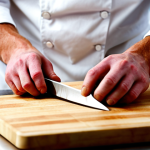
Hey there, fellow food adventurers! You know, there’s a special kind of thrill that comes with mastering a new cuisine, especially one as rich and diverse as Chinese cooking.
I’ve personally navigated the exciting, sometimes daunting, path of preparing for culinary certifications, and let me tell you, those practical exams can really test your mettle.
With the increasing global demand for authentic culinary expertise, getting those foundational Chinese cooking skills down pat isn’t just a hobby; it’s a genuine asset, whether you’re aiming for a professional kitchen or simply want to impress friends and family.
I’ve noticed a real trend lately – more and more people are looking to not just cook, but to truly *understand* the techniques that elevate a dish from good to absolutely phenomenal, especially when it comes to the precision required for those high-stakes practical tests.
It’s all about practice, sure, but smarter practice makes all the difference. Ready to elevate your skills and ace that practical exam? Let’s dive in and master these techniques together!
Wok Wisdom: Stir-Frying Beyond the Basics
The Art of “Wok Hei”
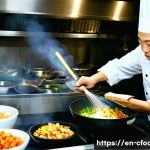
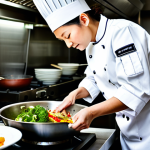
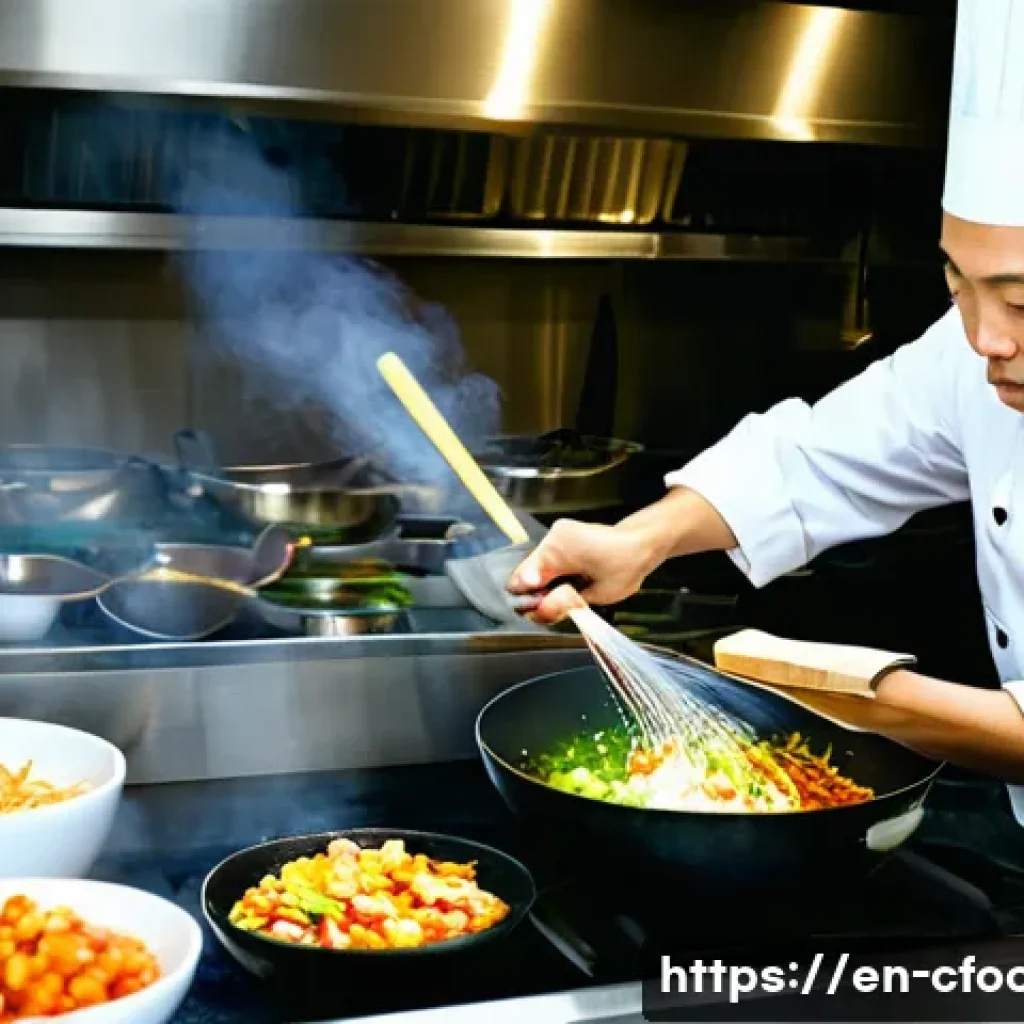
There’s a mystical quality to truly authentic Chinese stir-fry, isn’t there? It’s often attributed to something called “wok hei,” or the “breath of the wok.” This isn’t just some fancy term; it’s a tangible outcome of super high heat, lightning-fast movements, and a seasoned wok.
From my own adventures in the kitchen, I’ve found that achieving that elusive smoky aroma and incredible depth of flavor is about more than just turning up the burner.
It’s about managing the heat, not overcrowding the wok, and truly understanding the cooking order of your ingredients. I remember my first few attempts felt more like a frantic battle against burning, but with consistent practice, I started to feel the rhythm.
The key is to keep everything moving, allowing each piece of food to kiss the searing hot surface of the wok just long enough to develop those incredible caramelized edges without getting mushy.
It’s a dance, really, between ingredients and fire, and when you nail it, the result is absolutely magical. Don’t be afraid to let your wok get screaming hot!
That initial burst of heat is what sets the stage for success.
Essential Wok Tools and Their Secrets
When I first started out, I thought any old pan would do. Boy, was I wrong! The right tools truly make all the difference, especially with a wok.
A good carbon steel wok, properly seasoned, becomes an extension of your arm. It develops a natural non-stick surface over time that’s far superior to any coating.
I’ve personally used everything from basic spatulas to traditional long-handled ladles, and I can tell you, investing in a sturdy wok spatula and a long-handled ladle is a game-changer.
These tools are designed to conform to the curvature of the wok, allowing for efficient tossing and stirring, which is crucial for even cooking and distributing that precious “wok hei.” Beyond that, a reliable high-BTU burner, if you have access to one, can elevate your stir-frying game immensely.
It’s not just about cooking; it’s about controlling the elements to create culinary masterpieces.
Knife Skills: Precision is Your Best Friend
Julienne, Dice, and Mince: The Foundation
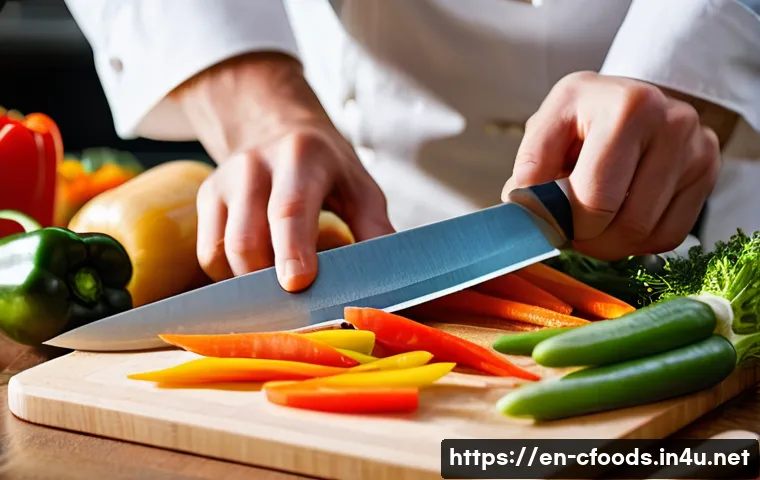
When you’re preparing for a practical exam, or just trying to cook efficiently, knife skills are everything. Seriously, I can’t stress this enough. I used to dread the endless chopping, but once I committed to truly refining my technique, my cooking speed and the consistency of my dishes skyrocketed.
For Chinese cooking, julienning (cutting into thin matchsticks), dicing (small, even cubes), and mincing (finely chopping) are non-negotiable. Think about how a perfectly julienned carrot or a uniformly diced onion cooks evenly, absorbing flavors beautifully.
It’s not just for aesthetics; it’s for texture and flavor distribution. I’ve spent countless hours practicing with different vegetables, feeling the knife glide, learning to let its weight do the work.
It’s almost meditative once you get into the flow. My tip? Start slow, focus on consistency, and only speed up when your precision is second nature.
Safety First: A Chef’s Best Friend
Let’s be real, a sharp knife is a safe knife, but only if you know how to handle it. I’ve had my share of minor nicks (always during those hurried moments, of course!), and trust me, they’re a stark reminder of the importance of good knife safety.
Always keep your knives sharp; a dull knife requires more force and is prone to slipping. My number one rule is the “claw” grip: tuck your fingertips under, pressing down on the food with your knuckles guiding the blade.
This protects your fingers and gives you incredible control. And please, use a stable cutting board – nothing is worse than a board that slides around.
I always keep a damp cloth underneath my cutting board to prevent any wobbles. These simple habits, once ingrained, become second nature and allow you to work quickly and confidently, which is absolutely essential under the pressure of a practical exam.
The Symphony of Sauces: Flavor Building Blocks
Crafting Signature Sauces from Scratch
If there’s one area where you can truly shine and inject your personality into Chinese cuisine, it’s with sauces. I’ve always found it incredibly rewarding to move beyond pre-made sauces and learn to blend my own.
It’s a game-changer! Think about classic dishes like Kung Pao Chicken or Mapo Tofu – their distinctive flavors come almost entirely from their unique sauce combinations.
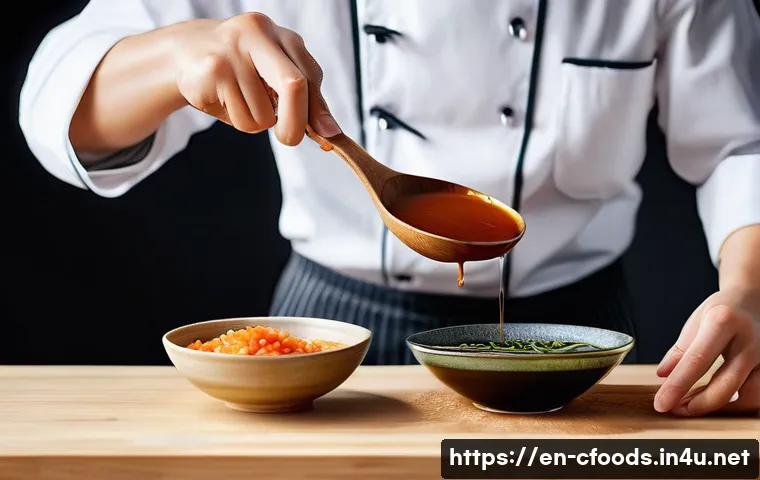
Mastering the ratios of soy sauce, rice vinegar, sesame oil, sugar, and various starches for thickening is like learning a new language. I vividly remember the first time I nailed a perfect sweet and sour sauce – it felt like a culinary triumph!
My advice is to experiment. Start with a basic formula, then tweak it. Add a little more chili oil for heat, a dash of dark soy for color, or a touch of Shaoxing wine for that authentic aroma.
You’ll develop an intuition for balancing flavors, and that, my friends, is where the magic truly happens.
Balancing Flavors: Sweet, Sour, Salty, Umami
Chinese cooking is a masterclass in flavor balance. It’s not about one flavor dominating; it’s about a harmonious interplay of sweet, sour, salty, and umami, with a touch of bitterness and spice often thrown in.
When I’m building a sauce, I literally taste as I go, adding a little here, a little there, until it sings. I often think of it like an orchestra – each ingredient is an instrument, and the sauce is the conductor, ensuring everything blends beautifully.
For instance, a touch of sugar can round out the sharpness of vinegar, while a pinch of salt can deepen savory notes. Umami, often found in ingredients like soy sauce, oyster sauce, or dried mushrooms, is that profound, savory richness that makes you crave more.
It’s an art form that comes with practice, and trust me, your palate will thank you for the effort.
Dough and Noodles: Hand-Pulled Perfection
The Magic of Handmade Noodles
There’s something incredibly satisfying about making noodles from scratch. I’ve always been fascinated by the sheer skill involved in hand-pulled noodles, and while it takes serious dedication to master, even simpler handmade noodles can elevate a dish from good to extraordinary.
The texture, the chewiness, the way they absorb sauce – it’s just different. I’ve spent afternoons in my kitchen, flour dusting every surface, painstakingly kneading dough and attempting to roll it out evenly.
It’s a workout, for sure, but the reward is immense. If you’re preparing for an exam, demonstrating an understanding of dough consistency and proper kneading techniques will definitely impress.
It shows a deeper connection to the craft. My journey with noodles has taught me patience and resilience, and honestly, the taste of homemade noodles is simply incomparable.
Dumpling Wrappers: Thin Yet Resilient
Speaking of dough, let’s talk about dumpling wrappers. A perfectly made dumpling wrapper is a thing of beauty: thin enough to be delicate, yet strong enough to hold a generous filling without tearing.
I remember struggling endlessly with sticky, unworkable dough, or wrappers that were either too thick or too fragile. The secret, I found, lies in the hydration level of your dough and proper kneading until it’s incredibly smooth and elastic.
Rolling them out into perfect circles, consistently thin at the edges and slightly thicker in the middle, also takes practice. This is where meticulous attention to detail truly pays off.
When you can create wrappers that seal perfectly and cook up with that lovely translucent quality, you’ve truly leveled up your skills. It’s a small detail that makes a world of difference in the final product.
Steaming and Braising: Unlocking Delicate Flavors
Perfecting Steamed Dishes
Steaming is such an elegant and healthy way to cook, especially prevalent in Cantonese cuisine. I often find people overlook its importance, but mastering steaming can unlock incredibly delicate flavors and textures that you just can’t achieve through frying or roasting.
Think about perfectly steamed fish, fluffy dim sum, or tender steamed chicken. The key, in my experience, is consistent steam, avoiding overcooking, and knowing when to introduce aromatics.
I’ve found that using a good quality steamer – bamboo or metal – and ensuring your water level is right is crucial. Overcooking by even a minute can turn a delicate fish into rubber, so precision is absolutely vital.
It’s a gentle art that requires a keen eye and a good timer.
Slow Cooking for Richness: Braising Techniques
On the complete opposite end of the spectrum from quick stir-fries and delicate steaming, we have braising. This is where rich, deep flavors develop slowly, transforming tougher cuts of meat and hearty vegetables into incredibly tender, succulent dishes.
I adore the process of braising; the way the aromas fill your kitchen for hours is just so comforting. Dishes like Red Braised Pork Belly (Hongshao Rou) are testaments to this technique.
The trick is patience, selecting the right cut of meat, and building a flavorful braising liquid. From my personal adventures, I’ve learned that searing the meat first to develop a good crust is non-negotiable, and then allowing it to simmer gently, sometimes for hours, until it practically melts in your mouth.
It’s a technique that truly rewards your patience and adds an incredible depth of flavor to your repertoire.
Ingredient Sourcing: The Unsung Hero of Authentic Taste
Navigating Asian Markets
You know, I’ve found that the quality of your ingredients can often make or break a dish, especially when aiming for authenticity in Chinese cooking. One of my absolute favorite things to do is explore local Asian markets.
It’s like stepping into a whole new world of flavors and aromas! I remember my first few trips feeling a bit overwhelming with all the unfamiliar produce and sauces, but now, I navigate them with confidence.
Don’t be shy to ask questions; most vendors are incredibly knowledgeable and happy to help. Look for fresh, vibrant produce, and don’t be afraid to try new vegetables or cuts of meat.
I’ve discovered some incredible ingredients that have completely transformed my dishes. It’s about more than just buying; it’s about experiencing and connecting with the culinary culture.
Fresh vs. Pantry Staples: Knowing When to Splurge
While fresh ingredients are paramount for many dishes, a well-stocked Chinese pantry is equally essential. I’ve learned over time which items are worth splurging on for freshness – think crisp bok choy, tender shrimp, or perfectly ripe ginger – and which pantry staples are crucial for building flavor foundations.
Good quality soy sauce, rice vinegar, Shaoxing wine, sesame oil, and various chili pastes are non-negotiable. I’ve personally found that having these essentials on hand means I can whip up an amazing Chinese meal almost any night of the week.
Don’t underestimate the power of these foundational ingredients; they are the backbone of countless classic dishes.
| Technique Category | Key Skills to Master | Typical Practical Exam Application |
|---|---|---|
| Wok Cooking | Heat control, stir-frying, “wok hei” development, proper tossing technique | Preparing dishes like Fried Rice, Kung Pao Chicken, or Stir-fried Noodles |
| Knife Skills | Julienning, dicing, mincing, slicing, consistency, speed, safety | Uniformly preparing vegetables and meats for various dishes |
| Sauce Making | Flavor balancing (sweet, sour, salty, umami), thickening with starch, emulsion techniques | Creating signature sauces for entrees or dipping sauces for appetizers |
| Dough & Noodle Work | Kneading, rolling, shaping, consistency, elasticity | Making dumpling wrappers, hand-pulled noodles, or steamed buns |
| Steaming | Temperature control, timing, proper setup, preserving delicate textures | Steaming fish, dim sum items, or various vegetable preparations |
| Braising | Searing, slow simmering, tenderizing meats, developing rich broths | Preparing dishes like Red Braised Pork Belly or Stewed Beef Brisket |
Practical Exam Prep: Simulation and Strategy
Timing is Everything: Mock Exam Drills
Okay, let’s get down to the nitty-gritty of practical exams. From my own experiences, one of the biggest challenges isn’t just knowing *how* to cook, but doing it under pressure and within a strict timeframe.
This is where mock exam drills become your absolute best friend. I used to set up my kitchen exactly as I imagined the exam station would be, complete with a timer ticking away.
I’d pick a couple of common exam dishes and just go for it, focusing not just on the outcome, but on my workflow, organization, and speed. It’s amazing how much you learn about your own pace and where you tend to waste precious minutes.
This isn’t just about cooking; it’s about strategic execution. Identifying those bottlenecks and streamlining your process beforehand will give you a massive confidence boost on the actual day.
Presentation Matters: The Final Touch
You’ve cooked it perfectly, but don’t forget the visual appeal! In any culinary exam, presentation is often a significant component of your score, and honestly, in real-world cooking, it’s what makes a dish truly inviting.
I’ve seen beautifully cooked food lose points simply because it was haphazardly plated. Think about garnishes: a sprinkle of fresh cilantro, a drizzle of sesame oil, or even how you arrange the pieces of meat and vegetables.
It’s the final flourish that shows attention to detail and a genuine respect for the food. Practice plating your dishes with intention. Even something as simple as arranging sliced ingredients neatly or ensuring your sauce is elegantly drizzled, rather than slopped, can make a huge difference.
Remember, we eat with our eyes first, and a little effort here goes a long, long way.
글을 마치며
And there you have it, my friends! We’ve journeyed through the vibrant world of Chinese culinary techniques, from the fiery dance of the wok to the delicate art of steaming. It’s been an absolute blast sharing my experiences and the little “aha!” moments I’ve had along the way. Remember, every master chef started somewhere, and the most important ingredient in your kitchen will always be passion and a willingness to learn. Keep experimenting, keep tasting, and most importantly, keep having fun with it!
알아두면 쓸모 있는 정보
1. Mastering the art of wok seasoning is truly transformative for your stir-fries and overall Chinese cooking experience. It’s not just about that initial burn-in process; it’s a continuous relationship with your pan. After each use, a quick wash with hot water and a soft brush (no harsh soaps!) followed by drying it completely over low heat and then a very thin rub of cooking oil is crucial. This creates that beautiful, naturally non-stick surface and contributes immensely to the coveted “wok hei” – the smoky, complex flavor that’s the hallmark of authentic Chinese cuisine. I’ve personally found that neglecting this step, even once, can make a huge difference in how your food cooks, often leading to sticking and less vibrant flavors. Treat your wok well, and it will reward you with countless delicious meals, becoming an extension of your culinary hand. It’s truly an investment in your cooking future, and the more you use it, the better it gets, developing a patina that’s uniquely yours and deeply flavorful.
2. The secret to creating truly layered and complex flavors in Chinese cooking often lies in the meticulous order of ingredient addition. It’s not just throwing everything into the wok at once! Think about building a foundation: aromatics like ginger, garlic, and scallions are usually introduced first, briefly stir-fried to release their fragrant oils. Then comes your protein, seared to develop a beautiful crust, followed by hardier vegetables that need more cooking time. Delicate vegetables are added last to retain their crunch and vibrant color. And finally, the sauce, often pre-mixed, is poured in to coat everything evenly and thicken slightly. I’ve learned through countless trials that rushing this process or getting the order wrong can result in unevenly cooked food, muted flavors, or a watery mess. It’s about respecting each ingredient’s cooking time and ensuring that every element contributes to the final symphony of taste. This thoughtful approach transforms a simple stir-fry into a truly memorable dish, allowing each flavor profile to shine through in perfect harmony.
3. Moving beyond simply following recipes and truly developing your palate is an invaluable skill for any aspiring chef, especially in Chinese cuisine where balance is paramount. Instead of blindly adhering to exact measurements every single time, I encourage you to taste as you go, adjusting flavors until they sing. Is it too sweet? Add a touch more rice vinegar for acidity, or perhaps a pinch of salt to round it out. Lacking depth? A dash of soy sauce or oyster sauce can introduce that umami richness. My kitchen journey has taught me that ingredients vary in intensity, and even the same brand of soy sauce can taste different from batch to batch. Trust your instincts and your taste buds. This iterative process of tasting and tweaking not only helps you create perfectly balanced dishes but also deepens your understanding of how different flavors interact. It’s a skill that empowers you to adapt recipes, create your own, and truly infuse your personality into every dish you make, transforming you from a cook into a true culinary artist.
4. Sourcing high-quality ingredients is truly the unsung hero of authentic Chinese cooking, and navigating your local Asian markets is an experience in itself. Don’t be intimidated by the array of unfamiliar items; consider it an adventure! I’ve found that going on weekdays when it’s less crowded allows for more leisurely exploration and even chatting with vendors, who are often incredibly knowledgeable and happy to share tips on how to use certain ingredients. Look for fresh, vibrant produce – bright green bok choy, firm tofu, and pungent ginger. For pantry staples like soy sauce, sesame oil, and Shaoxing wine, invest in reputable brands; the difference in flavor is genuinely noticeable. I’ve learned that a cheap soy sauce can really detract from a dish, whereas a good quality one elevates it significantly. It’s about building a connection with your ingredients and understanding where they come from, which ultimately enhances your cooking and brings an undeniable authenticity to your table that you just can’t replicate with generic supermarket items.
5. Consistency in practice is the ultimate key to unlocking speed, precision, and confidence in the kitchen, especially when preparing for those demanding practical exams. Think of every meal you cook as a practice session. For knife skills, repetitive chopping of onions, carrots, or celery will build muscle memory and improve your speed and uniformity over time. For wok cooking, regularly challenging yourself to stir-fry different dishes will refine your heat control and tossing technique. I’ve found that setting aside specific “practice” times, even just 15-20 minutes a few times a week, to focus solely on a particular technique, like julienning vegetables or making a sauce from scratch, yields incredible results. It’s not about being perfect immediately, but about consistent, deliberate effort. Over time, these small, dedicated practices compound, making complex techniques feel second nature and allowing you to execute dishes with a fluidity and confidence that will undoubtedly impress anyone, especially your culinary examiners. Embrace the journey of continuous improvement!
중요 사항 정리
To truly excel in Chinese cooking, whether for a practical exam or simply to impress your loved ones, remember that it’s a journey of continuous learning and refinement. The core techniques—mastering your wok for that elusive “wok hei,” honing your knife skills for uniform precision, and understanding the art of balancing flavors in your sauces—are foundational. Each technique builds upon the last, creating a holistic approach to the cuisine. From my own adventures, I can’t stress enough the importance of quality ingredients, so make those trips to Asian markets an exciting part of your routine. And perhaps most importantly, consistency in practice and developing your own palate will transform you from merely following recipes to truly understanding and creating incredible dishes. Embrace the process, taste as you go, and always cook with passion. You’ve got this, and the delicious rewards are absolutely worth every bit of effort!
Frequently Asked Questions (FAQ) 📖
Q: What are the absolute must-master foundational techniques for Chinese cooking practical exams?
A: Oh, this is such a fantastic question, and one I get a lot! From my own journey, navigating those intense practical exams, I can tell you there are a few core techniques that are total game-changers.
First up, without a doubt, is your knife work. Seriously, it’s not just about speed; it’s about precision. We’re talking uniform julienning, perfect dicing, and elegant slicing.
When your ingredients are all the same size, they cook evenly, and that makes all the difference in a high-stakes test. I remember one time, my carrots were a tad uneven, and it totally threw off the texture of my stir-fry – a lesson learned the hard way!
Then, you absolutely have to master the wok. It’s the heart and soul of so much Chinese cooking. You need to understand heat control like it’s an extension of your own hand.
Achieving that elusive “wok hei” – the breath of the wok, that smoky, caramelized flavor – comes from practice, quick movements, and knowing exactly when to add each ingredient.
Beyond stir-frying, the wok is your best friend for steaming, deep-frying, and even braising. It’s incredibly versatile! And let’s not forget about balancing flavors.
Chinese cuisine is all about harmony: sweet, sour, salty, umami. You need to understand how to build sauces from scratch – your soy, rice wine, vinegar, and sesame oil should become second nature.
It’s like conducting an orchestra, each ingredient playing its part. Finally, presentation is surprisingly critical. Even if it tastes amazing, a beautifully plated dish tells the judges you pay attention to every detail, and trust me, that makes a huge impact!
Q: How can I best prepare for the high-pressure environment of a practical culinary exam, especially for Chinese cuisine?
A: Preparing for a practical exam is definitely a whole different beast than just cooking for fun at home, isn’t it? The pressure can be immense, but I’ve picked up a few tricks over the years that really help.
My number one piece of advice: mise en place. Get everything, and I mean everything, prepped and organized before you even think about turning on the heat.
Measure your ingredients, chop your veggies, marinate your meats – have it all laid out like a culinary assembly line. The one time I tried to wing it without everything prepped, I nearly had a meltdown trying to find my cornstarch mid-stir-fry!
Next, timed practice is your best friend. Find out the exact time limits for your exam and run through your dishes under those conditions. It helps you get a real feel for the pace you need to maintain.
Don’t be afraid to make mistakes during practice; that’s where you learn the most. I used to record myself to see where I was wasting time or making unnecessary movements.
Also, and this might sound simple, but read the recipe or the exam brief multiple times. Understand every single step and requirement before you start.
Sometimes, a tiny detail can be the difference between a pass and a re-take. And finally, remember to breathe! It sounds cheesy, but a calm mind makes for steady hands.
Visualize success, and remind yourself why you’re doing this – for the love of the food, right? Maintaining a clean and organized workstation throughout the exam is also a huge plus, showing professionalism even when the clock is ticking.
Q: Is investing in professional Chinese culinary certification truly worth it if I’m just a passionate home cook?
A: Oh, I hear this question all the time, and it’s a really valid one! As someone who’s been through it, let me tell you, yes, it absolutely can be worth every penny and every hour, even if your dream isn’t to open a Michelin-starred restaurant.
For a passionate home cook, a certification isn’t just a piece of paper; it’s a deep dive into the why behind the how. You’ll gain a level of skill and understanding that you simply can’t get from following recipes online.
Think about mastering those advanced techniques we talked about – your stir-fries will have that authentic “wok hei,” your steamed dishes will be perfectly delicate, and your sauces will sing with balanced flavors.
I felt a huge boost in confidence in my own kitchen, moving beyond just following instructions to truly experimenting and creating with intention. It’s the difference between driving a car and truly understanding how the engine works, you know?
Beyond the kitchen, it broadens your cultural appreciation for Chinese cuisine, which I personally found incredibly enriching. And while you might not go pro, those refined skills can definitely open doors!
Imagine hosting dinner parties where your food consistently wows everyone, or even dabbling in catering for friends, teaching local classes, or creating your own food blog or social media content where your expertise really shines through.
It gives you a competitive edge, even in a casual context, and transforms your passion into a recognized expertise. It’s an investment in yourself, your culinary journey, and frankly, in making truly phenomenal food for those you care about.