Who else here absolutely *adores* Chinese food? That incredible blend of sweet, sour, salty, spicy, and umami – it’s just pure magic, isn’t it? For years, I was that person who always ordered takeout, dreaming of recreating those restaurant-quality dishes in my own kitchen.
I mean, who wouldn’t want to whip up a fantastic stir-fry or a perfectly braised dish on a Tuesday night without the delivery fee? But let’s be honest, getting that authentic taste, that elusive ‘wok hei’ (the breath of the wok) we all crave, can feel a bit like trying to solve a culinary puzzle at home.
Lately, I’ve noticed a huge shift in the home cooking scene. More and more enthusiasts are diving deep, moving beyond simple recipes to truly understand the fundamental principles that make Chinese cuisine so extraordinary.
There’s a real buzz around demystifying those classic techniques like stir-frying, steaming, and braising, and even adapting them for our busy schedules without losing any of that delicious authenticity.
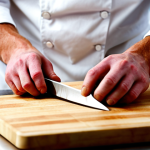
It’s not just about following a recipe anymore; it’s about understanding the ‘why’ behind the ‘what’ – from mastering proper knife skills for even cooking, to balancing the Five Tastes, and harnessing the power of key ingredients like fresh ginger, pungent garlic, and savory soy sauce.
Through my own cooking adventures and countless hours experimenting, I’ve discovered that truly mastering Chinese cooking isn’t about being a pro chef; it’s about grasping a few core theories that unlock a whole new world of flavor right in your own kitchen.
Forget those bland imitations – your kitchen is about to become your favorite Chinese restaurant. Ready to transform your home cooking and finally achieve those sensational, authentic Chinese flavors you’ve been dreaming of?
Let’s unlock these culinary secrets together!
Cracking the Code: The Unsung Heroes of Flavor – Aromatics and Oils
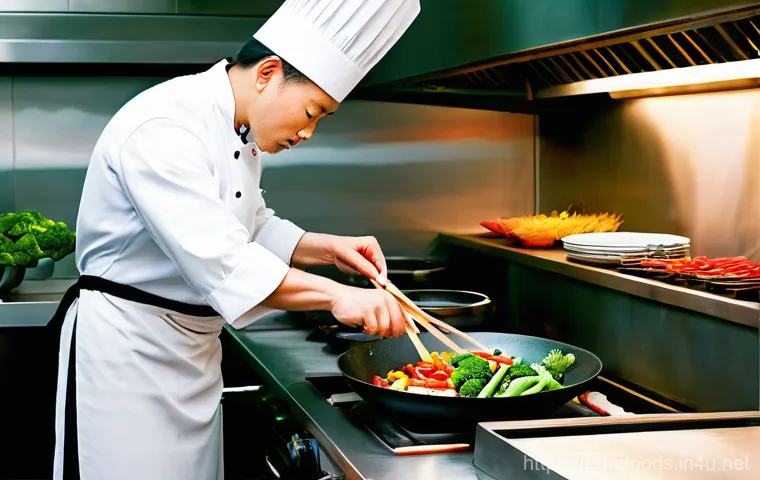
Okay, let’s talk about the absolute foundation of *any* great Chinese dish. I mean, before you even think about tossing that first vegetable into a hot pan, you’ve got to get your aromatics and oils right. It’s like setting the stage for a blockbuster movie – if your initial setup is off, the whole performance suffers. I remember years ago, when I first started trying to recreate my favorite restaurant dishes, I’d just haphazardly throw some garlic into a cold pan. Big mistake! The difference when you properly bloom your aromatics in the right oil? Night and day, my friends. It’s a sensory experience that builds the very soul of your dish, infusing every other ingredient with layers of depth and tantalizing fragrance. You’re not just frying; you’re coaxing out these incredible flavors, transforming simple ingredients into something truly magical. Trust me on this one, paying attention to this step will elevate your cooking from “pretty good” to “absolutely incredible.” It’s often overlooked, but it’s where so much of that authentic Chinese flavor begins to develop, setting the tone for the entire culinary journey ahead. This foundational knowledge is crucial for anyone hoping to replicate that restaurant-quality taste at home, creating a rich base upon which all other flavors can perfectly build.
The Golden Trio: Ginger, Garlic, and Scallions
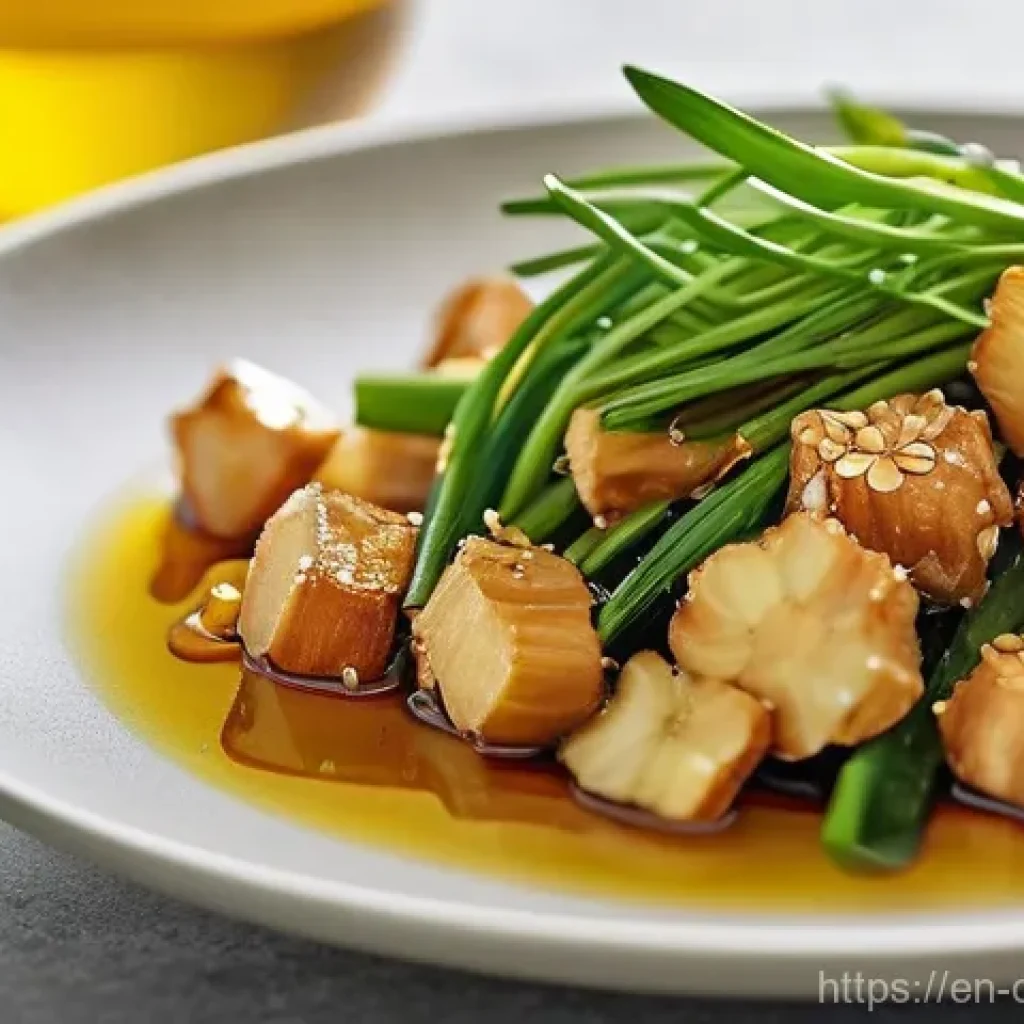
Every time I step into my kitchen with a Chinese recipe in mind, my cutting board immediately sees action with ginger, garlic, and scallions. These three aren’t just ingredients; they’re the foundational flavor architects of countless dishes. I’ve found that getting them prepped and ready before anything else is non-negotiable. For instance, finely minced ginger adds a fiery, fresh kick, while thinly sliced garlic brings a pungent warmth that mellows into sweetness. And those scallions? The white parts are for upfront flavor, often stir-fried, while the green tops are for garnish, adding a beautiful color and a mild, oniony bite right at the end. I used to be a bit lazy with the ginger, sometimes using powdered, but after experiencing the vibrant, almost citrusy zing of fresh ginger, I just can’t go back. It’s a small effort that yields monumental flavor rewards, truly defining the character of the dish. Plus, there’s something incredibly satisfying about the aroma filling your kitchen as these three begin to sizzle, signaling the start of something delicious.
Oil’s Role: Beyond Just Lubrication
Choosing the right oil isn’t just about preventing sticking; it’s about flavor, heat transfer, and achieving that sought-after texture. When I’m stir-frying, I always reach for an oil with a high smoke point, like peanut oil or grapeseed oil. Why? Because you need seriously high heat to get that “wok hei” without burning the oil and making your food taste bitter. Sesame oil, on the other hand, is a finishing oil – I learned this the hard way after adding it too early and realizing its delicate aroma got cooked away. A drizzle of toasted sesame oil at the very end of cooking, right before serving, adds an incomparable nutty depth that truly ties the flavors together. It’s about understanding the function of each oil and how it interacts with heat and other ingredients. This knowledge, which honestly took me a while to properly grasp, completely changed the way my stir-fries tasted. It’s not just about what oil you use, but *when* and *how* you use it. This seemingly minor detail is actually one of the biggest secrets to achieving authentic Chinese flavors.
The Art of the Stir-Fry: Speed, Sizzle, and Soul
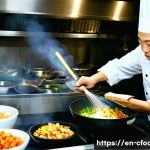
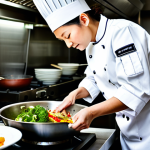
If there’s one technique that defines Chinese cooking for many of us, it has to be the stir-fry. But let’s be real, a *good* stir-fry isn’t just about tossing ingredients in a pan. It’s a high-stakes, fast-paced dance where every second counts. I can’t tell you how many times I’ve ended up with soggy vegetables and bland meat because I didn’t respect the heat or crowded my pan. It used to frustrate me to no end! Then, a friend who’s a fantastic cook gave me some sage advice: “Think of your pan as a crowded subway car – everyone needs space to breathe.” That analogy stuck with me. Achieving that perfect balance of crisp-tender vegetables, beautifully browned proteins, and a cohesive sauce requires quick hands, a hot pan, and an almost intuitive understanding of how ingredients cook. It’s a technique that feels intimidating at first, but with a bit of practice and attention to a few core principles, you’ll be cranking out restaurant-quality stir-fries in no time. It’s truly empowering to master this, transforming your weeknight meals into something extraordinary. This isn’t just cooking; it’s a performance, a symphony of sounds and smells that culminates in pure deliciousness. I still get a thrill every time I hear that glorious sizzle.
Mastering “Wok Hei” Without a Commercial Burner
Ah, “wok hei” – the elusive “breath of the wok.” That smoky, charred aroma that makes restaurant Chinese food so utterly irresistible. For the longest time, I thought it was impossible to achieve at home without a super high-BTU burner. But I’ve learned a few tricks! First, heat your wok or heavy-bottomed skillet until it’s *smoking* hot before adding oil. Seriously, don’t be shy. Then, only cook in small batches. Crowding the pan drops the temperature too quickly, leading to steaming instead of searing. I usually cook my protein first, remove it, then do my vegetables, and finally combine everything with the sauce. And here’s a tip I picked up from a professional chef: swirl a tiny bit of Shaoxing wine around the edge of the wok after adding your sauce; the alcohol evaporating quickly creates a bit of that elusive smoky character. It’s not a perfect replication, but it gets you surprisingly close, adding a fantastic layer of complexity to your dishes that you simply can’t get otherwise. It’s about understanding how to manipulate heat and moisture in your home kitchen, making the most of what you have.
The Perfect Order: Batch Cooking and Layering Flavors
When I first started stir-frying, I’d throw everything in at once, leading to a muddled mess. Now, I swear by batch cooking and layering flavors. It’s simple: cook your proteins until just done, then remove them. Next, stir-fry your harder vegetables (like carrots or broccoli) until they start to soften, then add softer ones (like bell peppers or snap peas). Once they’re almost ready, add your aromatics for a quick bloom. Finally, reintroduce your protein, pour in your sauce, and toss vigorously until everything is beautifully coated and glistening. This method ensures each ingredient is cooked to its optimal texture and flavor, rather than everything becoming uniformly soft. Plus, adding the aromatics later means their vibrant flavor and aroma don’t dissipate entirely. This systematic approach is a game-changer; it ensures every bite is a burst of perfectly cooked ingredients, each retaining its unique texture and taste. It’s a bit more work upfront, but the results are absolutely worth it, transforming a simple meal into a culinary masterpiece. It’s all about timing and respect for each ingredient.
Beyond the Basics: Demystifying Chinese Braising and Steaming
While stir-frying gets a lot of the spotlight, don’t sleep on braising and steaming when it comes to Chinese cuisine. These methods unlock a whole different spectrum of flavors and textures, often resulting in incredibly tender meats and delicate, vibrant vegetables. I used to think braising was only for super fancy, long-weekend projects, and steaming was… well, just for dumplings. Oh, how wrong I was! Braising, with its slow, gentle cooking in aromatic liquids, transforms tougher cuts of meat into melt-in-your-mouth masterpieces. Think of those rich, savory red-braised pork dishes – pure comfort food! And steaming, far from being bland, is an exquisite way to preserve the natural flavors and nutrients of ingredients, particularly fish and delicate vegetables. It’s a testament to the versatility of Chinese cooking that these seemingly simple techniques can yield such profound and satisfying results. I’ve found that incorporating these methods into my repertoire has not only expanded my culinary skills but also opened up a whole new world of delicious possibilities. They offer a fantastic contrast to the high-heat intensity of stir-frying, providing balance and depth to your overall cooking. It’s about respecting the ingredients and allowing them to shine in their own unique way.
The Magic of Low and Slow: Chinese Braises
Braising in Chinese cooking is all about patience and a carefully balanced liquid. My go-to braising liquid usually involves Shaoxing wine, soy sauce (both light and dark for color and depth), rock sugar for that touch of sweetness and glaze, ginger, star anise, and sometimes dried chili peppers for a subtle kick. The key is to sear your meat first to build some flavor, then add your aromatics and braising liquid, bring it to a simmer, and let it do its thing for hours. I’ve found that a good quality clay pot or a heavy Dutch oven works wonders for even heat distribution. The result is always incredibly tender meat, steeped in savory, aromatic flavors that develop beautifully over time. It’s the kind of dish that makes your entire house smell amazing and feels like a warm hug on a cold day. Don’t rush it; the low and slow approach is truly where the magic happens, allowing all those incredible flavors to meld and infuse into the meat. The transformation from a tough cut to something exquisitely tender is always incredibly rewarding and makes all that patient waiting absolutely worth it. It’s a true celebration of flavor development.
Steaming for Perfection: Delicate Flavors, Vibrant Colors
Forget everything you thought about “boring” steamed food. In Chinese cuisine, steaming is an art form that highlights the inherent deliciousness of ingredients. I particularly love steaming whole fish; it’s so simple yet yields such an elegant dish. You place the fish on a bed of ginger and scallions, steam it until just cooked through, and then finish it with a sizzle of hot oil over fresh aromatics and a dash of seasoned soy sauce. The heat of the oil wilts the fresh aromatics, releasing their fragrance, and creates a beautiful aroma. It’s incredibly healthy, preserves the delicate texture of the fish, and the flavors are incredibly clean and vibrant. It’s not about masking flavors, but enhancing them. I’ve also found steaming to be fantastic for certain vegetables, keeping them crisp-tender and brightly colored. A good bamboo steamer is a worthwhile investment here, allowing for even steaming and a beautiful presentation. It’s a subtle yet powerful technique that every home cook should absolutely explore for its sheer elegance and health benefits.
Unlocking Umami: The Secret Life of Soy Sauce and Fermented Beans
If there’s one thing I’ve learned about Chinese cooking, it’s that umami is king. And at the heart of so much of that savory depth are soy sauce and fermented bean products. For years, I just thought “soy sauce is soy sauce,” grabbing whatever bottle was cheapest at the grocery store. Boy, was I naive! There’s a whole universe of soy sauces out there, each with its own character, and understanding them is like having a secret weapon in your culinary arsenal. And then there are fermented bean pastes – these powerhouses add incredible complexity that you just can’t replicate with anything else. I remember trying a dish at a local Chinese restaurant and wondering how they got such an incredibly rich, almost meaty flavor without much meat. The chef later told me it was all thanks to a specific fermented black bean paste. It was an ‘aha!’ moment that totally transformed my understanding of flavor building. It’s these foundational, intensely savory ingredients that elevate a dish from merely tasty to profoundly satisfying, lingering on your palate in the best possible way. This exploration of umami sources has definitely been one of my most rewarding culinary discoveries, truly making my home cooking taste more authentic.
Decoding the Soy Sauce Spectrum: Light, Dark, and Beyond
This might sound a bit obsessive, but I genuinely keep at least two types of soy sauce in my pantry: light (or regular) and dark. Light soy sauce is your everyday workhorse, providing the main salty, savory kick without heavily coloring your food. Dark soy sauce, on the other hand, is richer, slightly thicker, less salty, and primarily used for its beautiful reddish-brown hue and a subtle sweetness. I often use a blend of both to get the perfect balance of flavor and appearance. And then there’s premium aged soy sauce, which has an even deeper, more nuanced flavor – I use that sparingly, usually as a finishing touch for special dishes. Once, I mistakenly used dark soy sauce for a light stir-fry, and the result was a dish that looked far too dark and tasted a bit too sweet. It taught me the importance of understanding their distinct roles. It’s not just about adding salt; it’s about adding layers of complex umami and visual appeal, and differentiating between them is a fundamental step in authentic Chinese cooking. This seemingly small detail makes a huge impact on the final outcome of your dishes, influencing both taste and presentation.
The Pungent Power of Fermented Pastes
Fermented bean pastes are true unsung heroes. My personal favorites are fermented black bean paste (douchi), which has a deep, savory, almost slightly bitter punch, and broad bean paste (doubanjiang), especially the spicy Sichuan variety, which adds both umami and a fantastic chili kick. I remember making mapo tofu for the first time with proper doubanjiang, and it was a revelation – the depth of flavor was just incredible compared to versions I’d made without it. These pastes aren’t just salty; they’re incredibly complex, bringing fermented notes, a hint of sweetness, and sometimes a spicy warmth. They’re often used in small quantities, but their impact is huge. They’re what give many classic Chinese dishes their signature, unmistakable flavor profile. Don’t be intimidated by them; a little goes a long way, and they’ll transform your cooking. It’s about embracing these powerful flavor bombs to create truly authentic and unforgettable culinary experiences. Exploring these pastes has opened up so many new avenues for me in my home Chinese cooking, adding layers I never thought possible.
The Sweet Spot: Balancing Textures and Temperatures for Harmony
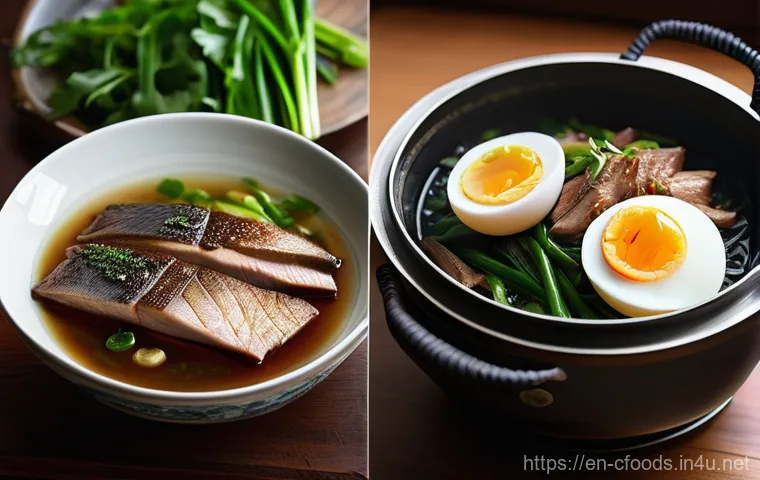
One of the aspects of Chinese cooking that I’ve grown to appreciate the most is its masterful balance of textures and temperatures within a single meal. It’s not just about flavor; it’s about the whole sensory experience. Think about it: a perfect Chinese meal often has something crisp, something tender, something slightly chewy, and even something silky smooth. And these aren’t just random pairings; they’re deliberately chosen to create a harmonious contrast that keeps your palate engaged. I used to focus solely on taste, but after years of experimenting, I realized how much texture contributes to the overall enjoyment of a dish. A stir-fry with perfectly crisp-tender vegetables next to succulent, soft meat is far more satisfying than a monochromatic plate of uniformly soft ingredients. This thoughtful approach extends to temperatures too – a warm, comforting bowl of congee alongside a refreshing cold cucumber salad. It’s this intricate dance of contrasting elements that makes Chinese cuisine so endlessly fascinating and delicious. When I prepare a meal now, I consciously think about what textures and temperatures I’m bringing to the table, and it truly makes all the difference. This understanding of culinary balance is a cornerstone of authentic Chinese dining, elevating the experience far beyond simple sustenance.
The Dance of Contrasts: Crisp, Tender, Chewy
Creating a dynamic interplay of textures is crucial. For example, in a classic Kung Pao Chicken, you have the tender chicken, the crisp snap of peanuts, and the slight chewiness of dried chilies. Each element plays its part. I achieve this by paying close attention to cooking times for each ingredient and sometimes by adding textural elements separately. Take vegetables – some I blanch quickly to retain their crunch before stir-frying, while others, like mushrooms, are allowed to soften and develop a more succulent texture. It’s about understanding the inherent qualities of each ingredient and how to best highlight them. I once had a stir-fry that was just… soft. Everything had the same texture, and it was incredibly boring despite decent flavor. That experience really drove home how vital textural contrast is. It’s not just about what you taste, but what you *feel* with every bite. The thoughtfulness behind these textural combinations is a hallmark of truly great Chinese cooking, making each mouthful an adventure. It’s a testament to the idea that cooking is as much about sensory experience as it is about taste.
Temperature Play: Hot, Cold, and Room Temp
Beyond texture, temperature contrast is another subtle but powerful tool. Many traditional Chinese meals feature a variety of dishes served hot, cold, or at room temperature. Think of a refreshing cold appetizer like smashed cucumber salad or marinated tofu skin, served alongside piping hot stir-fries and a warm soup. This combination isn’t just for practicality; it’s a deliberate choice to stimulate the palate and create a more enjoyable dining experience. I love how a cool, tangy salad can cut through the richness of a hot, savory dish, resetting your taste buds for the next bite. It keeps the meal interesting and prevents palate fatigue. It’s about creating a balanced symphony of sensations that makes the entire meal more satisfying and memorable. Next time you’re planning a Chinese dinner, consider adding a simple cold dish – you’ll be amazed at the difference it makes. This holistic approach to meal planning, considering all aspects of the dining experience, is something I deeply appreciate about Chinese culinary traditions, offering a depth that goes beyond individual dishes.
Your Essential Chinese Pantry: Stocking Up for Success
Alright, let’s get practical. You’ve got the techniques down, you’re thinking about flavors and textures, but none of that matters if your pantry isn’t ready for action! Over the years, I’ve gradually built up what I consider my “essential” Chinese pantry, and it’s truly made cooking these dishes so much easier and more spontaneous. No more last-minute dashes to the Asian market because I forgot a crucial ingredient! Having these staples on hand means you can whip up a fantastic meal with minimal fuss, transforming a quick weeknight dinner into an authentic culinary experience. It’s not about filling your cupboards with obscure ingredients you’ll only use once; it’s about having the core flavor builders that form the backbone of countless recipes. Trust me, investing a little time and effort into stocking your pantry strategically will pay dividends in deliciousness and convenience. I mean, who wants to get halfway through a recipe only to realize you’re missing something fundamental? This organized approach allows for greater flexibility and spontaneity in your cooking, encouraging more frequent exploration of Chinese flavors. It’s about empowering yourself to cook great food whenever the craving strikes.
The Non-Negotiables: Sauces, Oils, and Vinegars
Here’s what I absolutely cannot live without:
| Category | Essential Items | My Pro-Tip |
|---|---|---|
| Soy Sauces | Light Soy Sauce, Dark Soy Sauce | Use light for saltiness, dark for color and richness. Don’t swap them blindly! |
| Oils | Peanut Oil (or Grapeseed), Toasted Sesame Oil | Peanut for high-heat stir-frying, sesame for finishing and aroma. |
| Vinegars | Chinkiang (Black) Vinegar, Rice Vinegar | Black vinegar for deep, malty sourness; rice vinegar for brighter acidity. |
| Other Sauces | Oyster Sauce, Shaoxing Wine, Chili Bean Paste (Doubanjiang) | Oyster sauce for umami, Shaoxing for depth, Doubanjiang for spicy ferment. |
These are my go-to’s, the workhorses of my Chinese kitchen. I always keep a good stock of them because they’re in almost every recipe. Shaoxing wine, in particular, is a game-changer – don’t substitute it with dry sherry if you can help it; the flavor just isn’t the same. And for black vinegar, once you try Chinkiang, you’ll never go back to plain white vinegar in your dipping sauces or braises. It offers a unique, almost smoky tang that’s absolutely essential. Keeping these core items well-stocked means you’re always just a few fresh ingredients away from a fantastic meal, cutting down on decision fatigue and enabling more spontaneous cooking. This careful selection ensures that the foundational flavors are always at your fingertips, making authentic tastes achievable.
Aromatics and Spices: Fresh and Dried
Beyond the wet ingredients, my pantry is always stocked with fresh ginger, garlic, and scallions. I buy them regularly and store them properly – ginger in the freezer, garlic in a cool, dark place, and scallions in a glass of water on the counter to extend their life. For dried spices, Sichuan peppercorns are a must for that unique “ma la” numbing sensation, and star anise brings a wonderful warmth to braises. Dried shiitake mushrooms are another staple; soaking them yields not just the mushrooms themselves but also an incredible umami-rich broth that’s liquid gold for soups and sauces. Don’t underestimate the power of these dried ingredients; they offer a concentrated burst of flavor that fresh ingredients can’t always replicate. Building this robust pantry has been a journey, but it’s paid off immensely, making my cooking far more authentic and enjoyable. It’s truly amazing how a few carefully chosen spices and aromatics can completely transform a dish, adding layers of complexity and aroma that really stand out. It’s about having the right tools for the job, always ready and waiting to elevate your culinary creations.
The Mindset Shift: From Recipes to Principles
If there’s one piece of advice I could give to anyone wanting to truly master Chinese cooking at home, it’s this: shift your mindset from rigidly following recipes to understanding core principles. When I first started, I’d panic if I didn’t have the exact ingredient listed, or if my measurements weren’t precise to the gram. The truth is, Chinese cooking, like many traditional cuisines, is often more about feel, balance, and understanding *why* certain things work together. It’s about learning the fundamental theories – the balance of the five tastes, the importance of heat management, the interplay of aromatics – rather than just memorizing a list of steps. Once you grasp these principles, recipes become guideposts, not handcuffs. You’ll gain the confidence to adapt, substitute, and even create your own dishes, truly making the cuisine your own. It’s a liberating feeling, moving beyond mere instruction following to genuinely understanding the culinary art form. This deeper comprehension is where true mastery lies, allowing for both creativity and consistency in your home cooking. It’s like learning the language rather than just memorizing a few phrases, enabling fluent and authentic expression in the kitchen.
Cultivating Your Palate: Tasting and Adjusting
This might sound obvious, but tasting as you go is probably the most underrated skill in cooking, especially in Chinese cuisine. Because many dishes are a balance of sweet, sour, salty, and umami, you need to constantly check and adjust. I remember making a stir-fry that tasted just… flat. I added a dash more soy sauce, a tiny bit of sugar, and a splash of black vinegar, and suddenly it sang! It’s about developing an intuitive understanding of how these flavors interact and what a dish needs. Don’t be afraid to experiment with small additions until it tastes *just right* to you. Everyone’s palate is different, and what’s perfectly balanced for one person might need a little tweak for another. This active engagement with the food as it cooks is where the magic happens, allowing you to fine-tune the flavors to perfection. It’s an ongoing conversation between you and your dish, a process of careful calibration that truly makes the difference between good and absolutely spectacular. Trust your taste buds; they are your best guide.
Embracing Imperfection: The Journey of a Home Cook
Let’s be real: not every dish is going to be a masterpiece, and that’s perfectly okay! I’ve had plenty of “oops” moments in my kitchen – a stir-fry that got a little too soggy, a braise that was a touch too salty. But each one of those experiences was a learning opportunity. The beauty of home cooking is that it’s a journey, not a destination. Don’t get discouraged by perceived failures; embrace them as stepping stones to becoming a better cook. Talk to other home cooks, watch videos, read articles, and most importantly, keep experimenting! The joy is in the process, in the continuous discovery and refinement of your skills. And remember, even a “failed” dish can often be salvaged or, at the very least, provides valuable insight for your next attempt. It’s about celebrating the effort and the learning, knowing that every time you step into the kitchen, you’re growing and evolving as a chef. This positive outlook on the learning curve is what truly empowers a home cook to keep pushing boundaries and enjoying the culinary adventure, transforming every experience into valuable wisdom.
글을 마치며
Whew! We’ve covered a lot today, haven’t we? From the foundational aromatics to the nuances of umami, and the beautiful dance of textures and temperatures, Chinese cooking is truly a journey of discovery. What I love most about it is that it’s infinitely rewarding. Every dish you make, every technique you practice, adds another layer to your culinary understanding. Don’t be afraid to get in there, make a mess, and enjoy the process. It’s about feeding your soul as much as it is about feeding your body. Keep experimenting, keep tasting, and most importantly, keep having fun in your kitchen!
알아두면 쓸모 있는 정보
1. Prep is King: Always, always get all your chopping, dicing, and measuring done before you even turn on the stove for stir-frying. Chinese cooking is fast-paced, and you won’t have time to scramble for ingredients mid-cook!
2. Invest in Key Ingredients: A few good quality staples like light and dark soy sauce, Shaoxing wine, and toasted sesame oil will elevate your cooking dramatically. You don’t need everything at once, but build your pantry thoughtfully.
3. Heat Management Matters: Whether it’s a smoking hot wok for a stir-fry or a gentle simmer for a braise, understanding and controlling your heat source is crucial for achieving the right textures and flavors.
4. Taste as You Go: Don’t be shy! Continuously taste and adjust seasonings. A pinch of sugar, a splash of vinegar, or an extra dash of soy sauce can transform a dish from good to unforgettable.
5. Embrace the Learning Curve: No one becomes a master overnight. Enjoy the process of learning, forgive yourself for any kitchen mishaps, and celebrate every delicious victory, big or small.
중요 사항 정리
Stepping into the world of authentic Chinese home cooking can feel daunting, but remember, it’s all about building a solid foundation. Focus first on mastering your aromatics – ginger, garlic, and scallions – and understanding how different oils play their part in flavor development and heat transfer. From there, really hone in on stir-frying techniques, paying attention to heat, batch cooking, and the art of “wok hei” in your home kitchen. Don’t overlook the depth that braising and steaming can add to your repertoire, offering contrasting textures and flavors to your meals. Crucially, unlock the power of umami by understanding the distinct roles of various soy sauces and fermented pastes; these are your secret weapons for that restaurant-quality depth. Finally, always strive for balance in textures and temperatures within your meal, and cultivate a mindset of learning and experimentation rather than rigid adherence to recipes. Stock your pantry wisely, taste continuously, and embrace the joy of the culinary journey. Your efforts will absolutely pay off in incredibly flavorful and satisfying dishes that you’ll be proud to share!
Frequently Asked Questions (FAQ) 📖
Q: “Wok hei” feels like a secret handshake I’m not in on! How can I possibly get that incredible smoky flavor at home without a professional burner?
A: I completely get it – ‘wok hei’ often feels like the holy grail of Chinese cooking, doesn’t it? For years, I thought it was purely about having one of those insane, flame-throwing restaurant burners.
But here’s the good news: while you might not get the exact same intensity, you can absolutely achieve a fantastic, smoky flavor right in your home kitchen, even on a regular stove!
The key, I’ve found, comes down to a few core principles. First off, get your wok screaming hot before anything touches it. We’re talking seriously hot, almost to the smoking point.
This is crucial for creating that initial char and preventing your food from just steaming. Think of it like a quick sear. Second, don’t overcrowd your wok!
This is a mistake I made constantly when I started. If you dump too much food in, the temperature plummets, and you lose all that precious heat needed for the ‘wok hei’ magic.
Cook in smaller batches if you have to; trust me, the extra minute or two is worth it. Finally, and this is a fun hack I picked up: sometimes, for an extra smoky kick, I’ve actually used a small kitchen blowtorch to briefly char ingredients like vegetables or even cooked rice in the wok towards the end of cooking.
It’s a bit unconventional, but when done carefully, it really mimics that breath of the wok. Just make sure you’re doing this safely and not torching your cabinets!
It’s about managing moisture, getting that initial high heat, and letting those oils slightly combust for that signature aroma.
Q: What are the absolute must-have pantry staples I need to stock to start cooking authentic Chinese dishes? My pantry is currently more “mac and cheese” than “mapo tofu”!
A: Oh, been there, done that with the mac and cheese! Building an authentic Chinese pantry doesn’t have to be overwhelming or break the bank, and honestly, it’s one of the most rewarding steps you can take.
From my experience, you definitely want to start with a few foundational sauces and seasonings. First, light soy sauce for salinity and umami, and dark soy sauce for color and a slightly richer, sweeter depth.
Don’t skimp on Shaoxing cooking wine; it’s invaluable for adding that distinct aromatic warmth to marinades and stir-fries. Then, grab some Chinkiang black vinegar – it has this wonderfully mellow, balanced acidity that’s just perfect for dipping sauces or brightening a braise.
And for that gorgeous glossy finish and savory depth, oyster sauce is a must. Beyond liquids, I always keep toasted sesame oil (for finishing, not cooking!), cornstarch (for thickening sauces and velveting meats), and fresh aromatics like ginger, garlic, and scallions on hand.
Dried shiitake mushrooms are also a game-changer for umami; just rehydrate them! These core ingredients will unlock a huge range of classic dishes, and once you have them, you’ll feel like a culinary wizard!
Q: What are the fundamental Chinese cooking techniques I should focus on mastering first as a home cook to really elevate my dishes?
A: This is such a great question because, like learning any new skill, starting with the right fundamentals makes everything else click. From my own journey, the three techniques I’d tell any aspiring home Chinese chef to truly master are stir-frying, steaming, and braising.
Stir-frying is probably the most iconic, and it’s all about speed, high heat, and proper ingredient prep. You really need those knife skills for consistent, even cooking – uniform pieces are key!
Steaming, often overlooked, is incredibly versatile and healthy. It’s fantastic for delicate foods like fish, dumplings, or vegetables, preserving their natural flavors and nutrients.
A bamboo steamer basket makes it even more authentic and enjoyable. Finally, braising, or “red cooking” as it’s sometimes known, is where you get those incredibly rich, tender, and deeply flavored dishes.
It’s a slower method, perfect for heartier meats, and allows flavors to meld beautifully over time. Once you’ve got a good grasp on these three, you’ll find yourself confidently tackling so many different Chinese recipes, and the results will genuinely surprise and delight you!