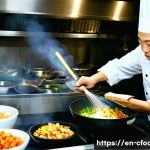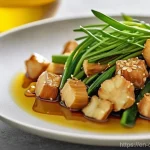
Hey there, culinary adventurers! Have you ever stood in a professional kitchen, apron on, heart pounding, knowing that every chop, every sizzle, every perfectly balanced flavor is being judged?
I totally get it. That feeling of anticipation, a mix of sheer terror and exhilarating potential, is something every aspiring chef experiences before a big practical exam.
I’ve been there, trust me, and I’ve seen firsthand how challenging it can be to perfectly execute those intricate dishes, especially when you’re aiming for the precision and authentic flavors of, say, classic Chinese culinary techniques.
In a world where quick-fix recipes and AI-generated menus are everywhere, the true art of hands-on cooking, especially mastering complex global cuisines, has become an even more invaluable skill.
It’s not just about following a recipe; it’s about the feel of the knife, the rhythm of the wok, and understanding how each ingredient sings together.
Getting those practical skills down pat for an exam can feel like scaling Mount Everest, but with the right guidance, it’s absolutely achievable. If you’re dreaming of acing your next culinary challenge and truly showcasing your mastery, then you’re in for a treat.
Let’s dive deep and uncover the precise strategies to help you shine in that practical exam.
Mastering Your Mise en Place: The Ultimate Pre-Service Ritual
Oh, my goodness, if there’s one thing I’ve learned from years in bustling kitchens, it’s that your mise en place isn’t just a fancy French term; it’s your culinary life raft!
I’ve seen countless brilliant chefs stumble not because they lacked skill, but because their workstation looked like a tornado just hit it. Imagine trying to perfectly sear a delicate scallop while frantically searching for the butter – disaster, right?
A truly immaculate mise en place means every ingredient is prepped, measured, and within arm’s reach before you even think about turning on the heat. It’s about minimizing panic and maximizing efficiency.
When I was prepping for my advanced pastry exam, I spent an entire day just weighing, sifting, chopping, and arranging everything like a culinary orchestra conductor.
That meticulous preparation wasn’t just about getting ready; it was about internalizing the entire recipe, anticipating potential hiccups, and building a mental roadmap for the intense performance that was about to unfold.
This kind of preparation instills a calm confidence that no amount of last-minute scrambling can ever replicate. It allows you to focus purely on execution and technique, which, trust me, is where the real magic happens in an exam.
You’re not just chopping vegetables; you’re setting the stage for your success.
The Art of Anticipation and Organization
This isn’t just about having everything in its place; it’s about thinking three steps ahead. When you’re faced with a complex dish, like a traditional Peking Duck or a multi-component French classic, you need to break it down.
What can be prepped hours in advance? What needs to be done *just* before cooking? Understanding the flow of the dish, identifying potential bottlenecks, and proactively addressing them before the clock even starts ticking is pure gold.
I remember one exam where I had to prepare a complex Asian noodle dish, and knowing that the noodles needed to be blanched and shocked, but the sauce needed a very specific quick stir-fry, meant I had to choreograph my movements perfectly.
Having my aromatics diced and ready, my proteins sliced, and my sauces pre-mixed allowed me to execute each step with precision and grace, rather than frantic haste.
Tool Readiness: Your Kitchen’s Best Friend
Beyond ingredients, your tools are just as vital. Think about it: a dull knife is a recipe for frustration and potential injury. Are your cutting boards stable?
Is your whisk clean and within reach? Do you have enough clean towels? I once saw a fellow student almost lose their cool because they couldn’t find a clean spatula during a critical moment.
It sounds trivial, but under exam conditions, every second counts, and every small frustration amplifies. Before any major cooking session, I always do a mental checklist of my essential tools, ensuring they are not just present, but also clean, sharp, and perfectly placed for optimal workflow.
It’s like a surgeon preparing for an operation; every instrument has its place and purpose.
Sharpen Your Blade, Sharpen Your Skills: The Art of Knife Work
When it comes to culinary exams, your knife skills are often the very first impression you make on the judges. It’s not just about speed; it’s about precision, consistency, and safety.
I’ve seen some pretty impressive fireworks in kitchens, but not the good kind – more like fingers narrowly missing the blade because someone was rushing without proper technique.
Mastering your knife isn’t just about creating beautiful, uniform cuts, although that’s certainly a huge part of it. It’s about demonstrating control, confidence, and respect for your ingredients.
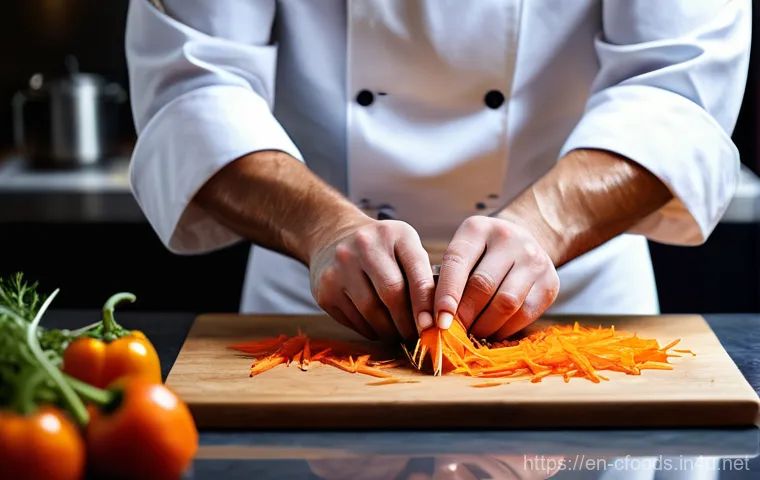
When you can julienne a carrot into perfect, hair-thin strips or brunoise an onion into tiny, consistent cubes, you’re not just showing off; you’re ensuring even cooking and consistent flavor distribution in your final dish.
I remember spending countless hours, literally, just dicing potatoes and onions when I first started. My hands ached, and my eyes watered, but that repetitive practice built muscle memory that now allows me to glide through prep work almost effortlessly.
It’s a foundational skill that elevates everything else you do in the kitchen.
Precision Cutting for Presentation and Flavor
Uniformity in cuts isn’t just for aesthetics; it plays a critical role in how your food cooks and tastes. Think about a stir-fry: if your vegetables are all different sizes, some will be overcooked and mushy while others are still raw and crunchy.
The goal is to achieve an even texture and perfect doneness throughout the dish. This level of detail shows the judges that you understand the science as well as the art of cooking.
When I’m working with delicate ingredients like garlic or herbs, I focus on a fine mince or chiffonade to ensure their flavors are evenly distributed without overpowering the dish.
This meticulous approach to cutting demonstrates a deep understanding of flavor integration.
Safety First: The Unseen Skill
Beyond the aesthetics, safe knife handling is paramount. A clumsy grip or an unstable cutting board can lead to serious injury, which obviously derails any exam.
Always maintain a firm but relaxed grip, keep your non-knife hand in a “claw” position to protect your fingertips, and always cut away from your body.
I’ve had my share of minor nicks, but learning from those small mistakes taught me the importance of deliberate, focused movements. The judges are looking for someone who can work efficiently *and* safely under pressure.
Demonstrating safe practices reflects professionalism and a level of experience that goes beyond just following a recipe.
The Dance of Heat and Time: Precision Cooking Techniques
Cooking is, at its heart, an intricate dance between heat and time. Getting it just right is what separates a good dish from an unforgettable one. I’ve personally experienced the agony of overcooked fish (dry and flavorless, no thank you!) and undercooked vegetables (crunchy in all the wrong ways!).
Achieving perfect doneness, whether it’s a medium-rare steak or al dente pasta, requires an intuitive understanding of how heat transfers through different ingredients and how long each process takes.
It’s not something you can just read in a book and master; it takes practice, observation, and even a bit of gut feeling. When I was tackling complex braises, I learned that low and slow heat transforms tough cuts into tender, succulent masterpieces, but rush it, and you’re left with something disappointingly chewy.
This intuitive feel for temperature and duration becomes second nature only after countless hours in front of a stove, constantly tasting, prodding, and adjusting.
Mastering Temperature Control
Different cooking methods demand different heat levels. A screaming hot wok is essential for a proper stir-fry, delivering that smoky ‘wok hei’ flavor, while a gentle simmer is crucial for delicate sauces.
Understanding the appropriate temperature for each technique, and how to maintain it, is a hallmark of a skilled chef. I recall one exam where the challenge was a perfectly pan-seared duck breast with crispy skin.
The key was starting it skin-side down in a cold pan, allowing the fat to render slowly, then gradually increasing the heat. Too hot too soon, and the skin would burn before rendering; too low, and it would be flabby.
It’s a delicate balance that comes from trial and error, and truly paying attention to how the ingredients react.
Timing is Everything: The Synchronicity of a Meal
In a practical exam, you’re often cooking multiple components that need to come together simultaneously. This is where timing becomes an art form. Imagine a perfectly cooked piece of protein, but the accompanying sauce is still reducing, or the side vegetables are cold.
A cohesive, hot, and perfectly executed plate is the goal. I always break down my recipes into a timeline, identifying critical “hold points” and “last-minute” tasks.
For instance, knowing when to start blanching vegetables so they’re still vibrant when the protein finishes resting. This kind of mental orchestration, sometimes even written down on a little chef’s cheat sheet, is invaluable for delivering a seamless presentation on time.
Unlocking Flavor: Crafting a Harmonious Palate
Ah, flavor! This is where cooking truly transcends mere sustenance and becomes an art form. It’s not just about throwing ingredients together; it’s about understanding how different tastes interact, how to build layers of flavor, and how to create a harmonious symphony on the palate.
I’ve tasted dishes that were technically perfect in execution but utterly bland, and others that were a little rustic but burst with incredible flavor.
The difference often lies in the chef’s understanding of seasoning, balancing, and enhancing natural tastes. Think about a simple vinaigrette: it’s not just oil and vinegar.
It’s the perfect ratio, a touch of mustard for emulsification, a pinch of salt to brighten, a grind of pepper for warmth, maybe a hint of honey to round it out.
Each element plays a crucial role. This intuitive ability to taste and adjust, to identify what a dish “needs,” is a skill that takes years to cultivate.
It’s like being a musician who can hear if a note is flat or sharp.
The Art of Seasoning and Balance
Seasoning is far more than just adding salt and pepper. It’s about coaxing out and amplifying the natural flavors of your ingredients. Understanding when to season (early for marinades, late for delicate finishes), how much to season, and what complementary spices or herbs to use is vital.
I’ve learned firsthand that less is often more, and you can always add but never take away. Balancing flavors means understanding the interplay of sweet, sour, salty, bitter, and umami.
For example, a squeeze of fresh lemon can brighten a rich, fatty dish, while a pinch of sugar can temper the acidity of tomatoes. My grandmother used to say, “Taste, taste, taste!” and she was absolutely right.
Every chef’s journey is punctuated by constant tasting and adjusting.
Ingredient Pairing: A Culinary Matchmaking Game
Part of creating incredible flavor is knowing which ingredients love each other. Some pairings are classic for a reason – tomatoes and basil, pork and apples, chocolate and raspberries.
But exploring more adventurous combinations can lead to truly unique and memorable dishes. Understanding regional flavor profiles, like the vibrant spices of Indian cuisine or the delicate aromatics of Japanese cooking, expands your culinary vocabulary.
During one of my practical exams, I chose to incorporate a slightly unconventional herb into a classic European dish. It was a risk, but because I understood how its peppery notes would complement the existing ingredients, it paid off, earning me high marks for creativity and flavor balance.
It’s about being bold, but always with a purpose.
| Flavor Element | Purpose in Cooking | Example Ingredient |
|---|---|---|
| Saltiness | Enhances natural flavors, balances sweetness/bitterness | Sea salt, soy sauce, Parmesan cheese |
| Sweetness | Balances acidity, adds richness, caramelization | Honey, sugar, ripe fruits, root vegetables |
| Acidity (Sourness) | Brightens flavors, cuts through richness, aids digestion | Lemon juice, vinegar, tamarind, yogurt |
| Bitterness | Adds complexity, depth, often balances richness (use sparingly) | Coffee, dark chocolate, radicchio, certain herbs |
| Umami (Savory) | Adds depth, mouthfeel, and a lingering satisfying taste | Mushrooms, ripe tomatoes, aged cheeses, fish sauce, seaweed |
Plating with Panache: Transforming Food into Art
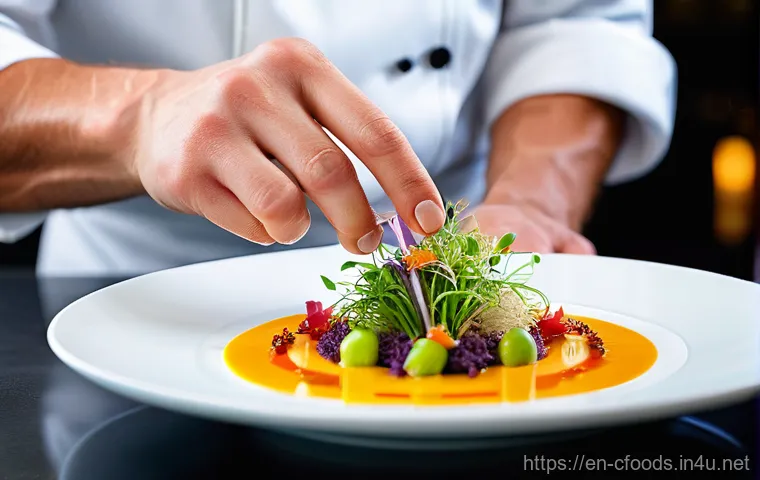
Once you’ve poured your heart and soul into creating a technically perfect and incredibly flavorful dish, the final act is presentation. This isn’t just about making it look pretty; it’s about communicating your artistry, enhancing the diner’s experience, and signaling the care and thought that went into every component.
I’ve seen judges’ eyes light up when a beautifully plated dish arrives, and conversely, seen them deflate at a messy, uninspired presentation, even if the food tasted amazing.
Plating is your last chance to impress, to tell a story with your food. It’s about color, texture, height, and negative space – all working together to create an appealing visual composition.
My first few attempts at “artistic” plating were, well, laughable. I tried too hard, added too many garnishes, and ended up with a cluttered mess. It took practice, and looking at hundreds of professional plates, to understand that elegance often lies in simplicity and thoughtful arrangement.
Composition and Visual Appeal
Think of your plate as a canvas. You want to create focal points, use complementary colors, and consider the ‘flow’ of the dish. A dollop of vibrant sauce, a sprinkle of fresh herbs, or a strategically placed crisp element can draw the eye and add interest.
I always try to ensure there’s a good contrast of textures, too – something creamy next to something crunchy, for example. This makes the dish more inviting and dynamic.
Remember to wipe the edges of your plate clean! A smudged rim can ruin the entire effect, no matter how beautiful the food itself is. It’s those small details that truly elevate a dish from good to exceptional.
Garnishing with Purpose
Garnishes aren’t just decorative; they should ideally contribute to the flavor or texture of the dish. A sprig of fresh rosemary not only looks good with lamb but also adds its aromatic essence.
A sprinkle of toasted sesame seeds on an Asian dish adds both crunch and nutty flavor. Avoid garnishes that don’t belong, or worse, are difficult to eat.
I remember one judge who was utterly flummoxed by an inedible flower on a dessert. The best garnishes are an integral part of the dish, enhancing it without distracting from the main components.
They should be fresh, vibrant, and thoughtfully chosen to complement, not just adorn, your culinary creation.
Mind Over Matter: Conquering Kitchen Exam Nerves
Let’s be real for a moment: practical exams can be utterly terrifying. That clock ticking, the eagle eyes of the judges, the pressure to perform perfectly… it’s enough to make even the most seasoned chef’s palms sweat.
I’ve certainly had my share of shaky hands and racing thoughts during high-stakes culinary competitions. But here’s the secret: everyone feels it. The difference between those who ace it and those who falter often comes down to how they manage those nerves.
It’s not about eliminating fear entirely – that’s probably impossible – but about channeling that nervous energy into focused, productive action. It’s a mental game as much as a physical one, and learning to stay calm under fire is an invaluable skill that extends far beyond the exam kitchen.
Pre-Exam Mental Preparation
Just as you prep your ingredients, you need to prep your mind. Visualization is incredibly powerful. Before an exam, I would close my eyes and mentally walk through every single step of the dishes I had to prepare.
I’d imagine the feel of the knife, the sizzle of the pan, the aroma of the finished product. This rehearsal helps build confidence and reduces the element of surprise.
Additionally, practice, practice, practice! The more familiar you are with the recipes and techniques, the less room there is for anxiety to creep in.
Knowing that you’ve done this successfully a dozen times before builds a strong foundation of self-belief.
Staying Composed Under Pressure
During the exam itself, things might go wrong. A sauce might curdle, something might burn, or you might drop an ingredient. It happens!
The key is not to panic. Take a deep breath, assess the situation, and calmly figure out a solution. I once accidentally added salt instead of sugar to a dessert component during a competition – my heart nearly stopped!
But instead of giving up, I quickly realized my mistake, salvaged what I could, and adapted the recipe. The judges actually commented on my ability to recover gracefully.
Your ability to troubleshoot and adapt under pressure speaks volumes about your true culinary prowess and resilience. Remember, a setback is just a setup for a comeback!
Beyond the Exam: Cultivating a Lifelong Culinary Journey
Passing a practical exam is a huge milestone, a moment to truly celebrate your hard work and dedication. But let me tell you, that certificate isn’t the finish line; it’s merely the starting block for an incredible, lifelong culinary journey.
The world of food is constantly evolving, new techniques emerge, flavors from distant lands become popular, and our understanding of ingredients deepens every single day.
I’ve personally found that the most successful and genuinely happy chefs are the ones who never stop learning, who maintain a boundless curiosity about food and its endless possibilities.
My own journey has taken me from classic French kitchens to exploring vibrant street food in Southeast Asia, and each experience has enriched my understanding and passion for cooking.
Continuous Learning and Exploration
Never let the idea that you “know it all” settle in. The moment you stop learning is the moment you stop growing. Read cookbooks, watch documentaries, visit farmers’ markets, try new restaurants, and don’t be afraid to experiment in your own kitchen.
I make it a point to try at least one new ingredient or technique every month, even if it’s just something small. This continuous exposure keeps your palate refined, your mind sharp, and your creativity flowing.
Attending workshops, even as an experienced chef, can provide fresh perspectives and introduce you to innovations you might not have discovered otherwise.
Building Your Culinary Network
The culinary world is a vibrant community, and networking is crucial for growth and inspiration. Connect with other chefs, food writers, producers, and educators.
Share ideas, ask questions, and offer your support. Some of my most valuable insights have come from conversations with fellow food enthusiasts, exchanging stories and tips over a meal.
These connections can open doors to new opportunities, collaborations, and a deeper understanding of the industry. Remember, we’re all in this delicious adventure together, and learning from each other is one of the greatest joys of being a part of the culinary world.
Concluding Thoughts
Whew, what a journey! Diving into the world of culinary exams, or really, any high-stakes cooking challenge, can feel like scaling a mountain. But as I’ve shared, it’s not just about the destination; it’s about savoring every step of that climb, from the meticulous *mise en place* to the final, triumphant plate. This entire process, with all its beautiful chaos and intense focus, truly hones not just your skills but also your spirit in the kitchen. Remember, every whisk, every chop, every perfectly balanced flavor isn’t just a task, it’s a testament to your passion and dedication.
Helpful Information to Keep in Mind
1. Embrace the Basics, Always: Seriously, don’t ever think you’re too good for the fundamentals. Consistent practice of knife skills, understanding heat, and classic preparations are your bedrock. It’s like a musician practicing scales – it makes all the complex pieces flow effortlessly.
2. Never Stop Being a Student: The culinary world is a living, breathing entity, constantly evolving. Keep reading, keep experimenting, travel if you can, and always be open to new techniques and ingredients. Curiosity is your greatest ingredient.
3. Build Your Tribe: The kitchen can be a tough place, but it’s also a place of incredible camaraderie. Connect with fellow chefs, mentors, and even your purveyors. These relationships enrich your journey, offer invaluable support, and can open doors you never even knew existed.
4. Mind Your Mental Game: Pressure is real. Developing strategies to manage stress, visualize success, and bounce back from mistakes is just as crucial as perfecting a béchamel. Your resilience is a powerful tool.
5. Taste, Adjust, Repeat: This might sound obvious, but it’s the most critical skill. Continuously taste your food at every stage, and don’t be afraid to adjust. A pinch more salt, a squeeze of lemon, a touch of fresh herb – these small tweaks can elevate a dish from good to absolutely unforgettable.
Key Takeaways
Ultimately, whether you’re facing a formal exam or just pushing your own culinary boundaries, success boils down to a blend of meticulous preparation, disciplined execution, and a genuine love for what you do. Stay focused, stay curious, and allow your passion to shine through in every dish you create. It’s a marathon, not a sprint, and every experience, good or challenging, is a vital lesson on your delicious path.
Frequently Asked Questions (FAQ) 📖
Q: How can I keep my cool and perform my best when the pressure is on during a practical culinary exam?
A: This is such a common feeling, and honestly, it’s one I’ve wrestled with countless times myself! The sheer weight of expectation, the watchful eyes of the instructors, the clock ticking away – it can feel absolutely suffocating.
What I’ve found helps immensely is a combination of meticulous preparation and mental conditioning. First off, practice, practice, practice until the movements become muscle memory.
Don’t just follow the recipe; understand the “why” behind each step. When you truly grasp the science and art of what you’re doing, you build a deep confidence that’s hard to shake.
I remember one time, during a particularly grueling Chinese cuisine module, I just kept repeating the stir-fry sequence until I could do it with my eyes closed.
That repetition builds a mental shield against panic. Secondly, visualize success. Before the exam, close your eyes and mentally walk through every step of your dishes.
Imagine the aroma, the perfect texture, the vibrant colors. When I do this, it almost feels like I’ve already done it once, and it calms those pre-exam jitters.
And here’s a little secret: take a deep breath before you even touch your first ingredient. A genuine, slow, calming breath. It resets your focus and reminds you that you’ve got this.
Trust your training, trust your hands, and let your passion for cooking shine through. It truly makes all the difference.
Q: What’s the key to nailing those authentic flavors and complex techniques, especially for global cuisines like Chinese, during a high-stakes exam?
A: Oh, this is where the magic truly happens, isn’t it? Anyone can follow a recipe, but replicating authentic flavors and executing complex techniques under pressure?
That’s the mark of a truly skilled chef. For me, the game-changer has always been understanding the soul of the cuisine. It’s not just about the ingredients; it’s about the cultural context, the traditional methods, and the subtle nuances that make a dish truly sing.
For Chinese cuisine, for instance, it’s not just “stir-frying”; it’s mastering “wok hei” – that elusive “breath of the wok” that gives dishes their incredible smoky aroma and flavor.
I learned this the hard way: by trying to cut corners and realizing my dishes lacked that authentic punch. To get it right, you need to deeply engage with the foundational techniques.
Watch experienced chefs, read about the history of the dishes, and don’t be afraid to experiment outside of the exam prep to truly feel the ingredients.
For example, understanding how different knife cuts affect cooking time and texture in a Chinese stir-fry is paramount. It’s about precision and rhythm.
I once spent an entire afternoon just practicing my julienne cuts on different vegetables, trying to get that perfect uniformity. It sounds tedious, but when you’re in the exam, that muscle memory kicks in, and you’re not second-guessing yourself.
It’s about becoming one with the ingredients and the tools, almost like a dance.
Q: Beyond just the recipes, what “hands-on” skills are absolutely essential for crushing a practical culinary exam?
A: This is a brilliant question because it gets right to the heart of what separates a good cook from a great chef, especially in an exam setting! While recipes are your roadmap, the hands-on skills are your vehicle.
I’ve seen so many talented cooks falter because they focused too much on memorizing ingredients and not enough on the fundamental mechanics. First, knife skills are non-negotiable.
And I don’t just mean chopping; I mean precise dicing, mincing, julienning, and knowing how to safely and efficiently break down proteins. I’m talking about a smooth, confident flow that makes every movement count.
It’s a skill that takes endless repetition but pays off massively in speed and consistency. Second, organization and mise en place are your best friends.
I once completely messed up a dish because my workstation was a disaster zone, and I wasted precious minutes hunting for an ingredient. Keeping everything prepped, labeled, and within arm’s reach isn’t just tidy; it’s a strategic advantage that reduces stress and saves time.
Finally, and this is something I truly believe in, develop your palate. Taste everything, constantly. Adjust seasonings as you go, understand how flavors evolve, and trust your instincts.
The exam isn’t just about following instructions; it’s about producing delicious food. I always make it a point to taste my sauces, my reductions, my spice blends throughout the cooking process.
It’s like fine-tuning an instrument – you need to listen and adjust until it sounds perfect. These aren’t glamorous skills, but they are the bedrock upon which all culinary success is built.