In today’s fast-evolving culinary world, mastering Chinese cuisine is more than just a trend—it’s a gateway to a rewarding career. With the surge in global interest for authentic flavors, obtaining a Chinese culinary certification has become a sought-after achievement.

But here’s the catch: true success lies in hands-on cooking experience, not just theory. If you’ve ever wondered how to stand out in this competitive field, you’re in the right place.
Let’s explore why rolling up your sleeves and learning through practice is the secret ingredient to unlocking your full potential in Chinese culinary arts.
Stick around, because this journey might just inspire your next big step.
Building a Solid Foundation with Traditional Cooking Techniques
Mastering Knife Skills and Ingredient Preparation
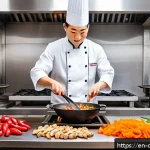
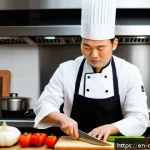
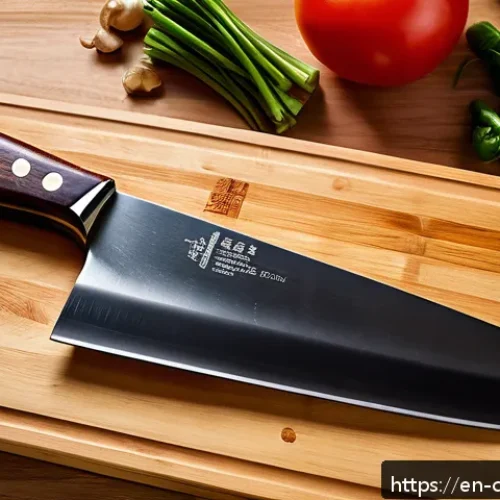
One of the first lessons I learned when diving into Chinese cuisine was that the quality of a dish often starts with how you handle your ingredients. Getting comfortable with various knife cuts—julienne, chiffonade, dicing—not only improves the texture and appearance of your dishes but also affects cooking times and flavor release.
Practicing these cuts repeatedly in a real kitchen setting, rather than just reading about them, helped me develop speed and precision. For example, slicing vegetables thinly and uniformly ensures even cooking and enhances the overall harmony of a stir-fry.
This hands-on experience is invaluable and forms the backbone of any successful Chinese chef’s skill set.
Understanding Heat Control and Stir-Frying Techniques
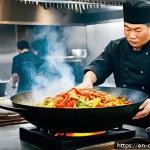
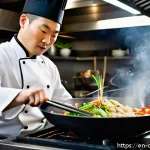
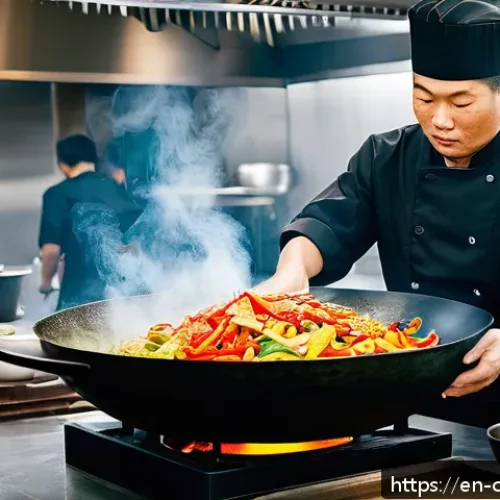
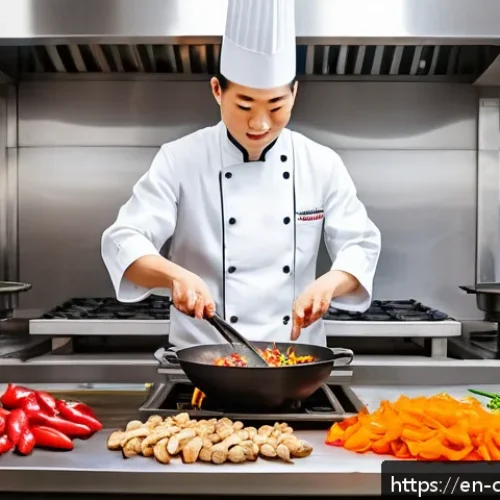
The wok is the heart of Chinese cooking, and learning how to control its intense heat is crucial. I remember the first time I tried stir-frying at home—I kept burning the garlic or undercooking the vegetables because I didn’t know how to manage the heat.
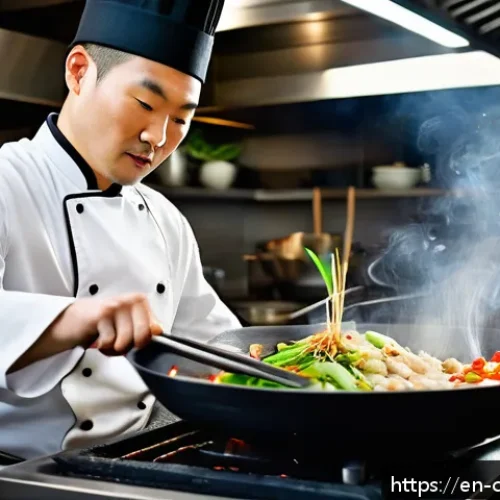
But spending time in a professional kitchen, observing how chefs adjust the flame and toss ingredients quickly, made all the difference. You learn to balance the smoky “wok hei” flavor without overcooking or drying out the food.
It’s a tactile skill you can’t master just by watching videos; you need to feel the heat, hear the sizzle, and react in real time.
Creating Depth with Sauces and Marinades
Sauces in Chinese cooking are like the soul of the dish, adding layers of flavor that turn simple ingredients into something extraordinary. Experimenting with soy sauce, oyster sauce, Shaoxing wine, and other key components taught me how to balance salty, sweet, sour, and umami flavors.
What really helped was making these sauces from scratch multiple times, adjusting the ratios to suit different dishes. For instance, a slightly sweeter marinade works better for char siu pork, while a more savory blend complements stir-fried greens.
This trial-and-error process, paired with tasting each batch, builds a nuanced understanding that textbooks alone can’t provide.
Immersing Yourself in Regional Flavor Profiles
Exploring the Diversity of Chinese Regional Cuisines
Chinese cuisine isn’t one-size-fits-all; it’s a mosaic of regional styles that reflect local ingredients, climate, and cultural preferences. Spending time cooking dishes from Sichuan, Cantonese, Shanghainese, and Hunan traditions opened my eyes to the vast flavor differences.
For example, Sichuan cuisine’s bold use of chili and Sichuan peppercorn creates a numbing heat that’s totally distinct from the lighter, sweeter dim sum flavors from Guangdong.
By practicing these regional recipes, you gain versatility and a deeper appreciation for the cuisine’s complexity, which makes you stand out as a chef who respects authentic traditions.
Incorporating Seasonal and Local Ingredients
One lesson that stuck with me was the importance of working with what’s fresh and available. Chinese cooking heavily emphasizes seasonality—bamboo shoots in spring, lotus root in summer, chestnuts in autumn.
Learning to adjust your menu and cooking style based on seasonal ingredients not only improves taste but also demonstrates culinary wisdom. This approach is especially important if you want to impress in professional kitchens or earn certification, as judges often look for chefs who can innovate while respecting tradition.
Adapting Techniques to Modern Dietary Preferences
While authenticity is key, the modern culinary world demands flexibility. I found that adapting traditional Chinese dishes to accommodate dietary restrictions—like gluten-free or vegetarian options—requires creativity and deep knowledge of ingredients.
For instance, substituting soy sauce with tamari or creating vegetable-based broths that still capture the essence of Chinese flavors takes trial and error.
This adaptive skill is increasingly valued in restaurants and cooking schools, making your hands-on experience with diverse recipes a real asset.
Developing Confidence Through Repetition and Feedback
Learning from Mistakes in a Real Kitchen Environment
Nothing beats the learning curve you get from cooking repeatedly and receiving immediate feedback. Early on, I burned sauces, overcooked noodles, and messed up seasoning, but each mistake was a lesson.
Working alongside experienced chefs who pointed out subtle improvements taught me to anticipate problems and adjust techniques on the fly. This kind of immersive experience is crucial because certifications often test practical skills under pressure, where theoretical knowledge alone won’t save you.
Tracking Progress with Personal Culinary Journals
Keeping a detailed journal of recipes tried, adjustments made, and flavor notes helped me track my growth over time. Writing down what worked and what didn’t forced me to reflect critically on my cooking, which accelerated improvement.
I recommend anyone serious about mastering Chinese cuisine to do the same—this habit transforms cooking from a repetitive task into a purposeful journey of refinement.
Seeking Constructive Criticism from Mentors and Peers
Joining cooking classes or culinary groups where you can present your dishes and get honest feedback was a game changer. I remember one mentor who challenged me to perfect my dumpling folding technique, pointing out tiny flaws that made a big difference in presentation and texture.
Such interactions encourage growth and keep you grounded, preventing complacency that can sometimes come with self-study.
Leveraging Technology and Culinary Resources
Utilizing Online Tutorials and Virtual Cooking Classes
While nothing replaces hands-on experience, supplementing your practice with online tutorials can offer valuable insights. I found that watching chefs demonstrate specific techniques in real time helped me visualize complex steps before trying them myself.

Virtual classes also allow interaction with instructors, enabling you to ask questions and receive guidance tailored to your skill level. Combining digital learning with actual cooking sessions creates a balanced approach that speeds up mastery.
Investing in Quality Kitchen Equipment
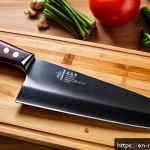
Practicing on professional-grade tools makes a noticeable difference. I initially used a basic wok and dull knives, which hampered my technique and slowed progress.
Upgrading to a high-quality carbon steel wok and sharp chef’s knives allowed me to execute cuts and stir-fries more efficiently and safely. This investment not only improves your cooking but also simulates the environment you’ll encounter in certification exams or professional kitchens.
Tracking Recipe Variations and Ingredient Substitutions
Experimenting with ingredient swaps while keeping notes on outcomes helped me tailor recipes to different tastes and dietary needs. For example, testing various types of rice vinegar or chili pastes taught me how subtle changes impact flavor profiles.
Over time, these variations become part of your personal repertoire, enabling you to innovate confidently without losing authenticity.
Understanding the Certification Process Beyond the Classroom
Practical Exam Expectations and Skill Demonstrations
Certification bodies often focus heavily on practical skills—preparing dishes under time constraints, demonstrating knife skills, and showcasing knowledge of ingredients.
I noticed that candidates who spent more time cooking in real kitchens, rather than just studying theory, performed better because they were comfortable with the pressure and unpredictability of live cooking.
Practicing timed cooking sessions mimics exam conditions and builds confidence.
Importance of Presentation and Plating Skills
In addition to taste, presentation plays a vital role in certification assessments. Learning to plate dishes with balance, color contrast, and neatness elevates your work.
I practiced plating repeatedly, sometimes photographing my creations to analyze what looked appealing and what didn’t. This visual feedback loop is essential because judges often score based on appearance as much as flavor.
Networking and Building Industry Connections
Being involved in culinary communities and attending workshops or food events introduced me to professionals who shared insider tips on certification and career advancement.
These connections often lead to mentorship opportunities and open doors to apprenticeships, which are invaluable for gaining real-world experience beyond formal education.
Key Skills and Knowledge Areas for Chinese Culinary Excellence
| Skill Area | Description | Practical Tips |
|---|---|---|
| Knife Skills | Precision cutting, speed, and safety in preparing ingredients | Practice different cuts daily; focus on uniformity and efficiency |
| Heat Management | Controlling wok temperatures for perfect cooking | Observe professional chefs; practice timing and flame adjustments |
| Sauce Preparation | Balancing flavors to complement dishes | Experiment with ingredient ratios; taste test frequently |
| Regional Cuisine Knowledge | Understanding diverse Chinese culinary traditions | Cook a variety of regional dishes; study ingredient and flavor differences |
| Presentation | Artistic plating to enhance visual appeal | Use color contrast and symmetry; photograph and critique your plating |
| Adaptability | Modifying recipes for dietary needs and modern trends | Test substitutions; keep a recipe journal to track outcomes |
Continuous Learning and Passion
At the end of the day, what truly sets successful Chinese chefs apart is their passion for continuous improvement. Whether it’s trying a new recipe, perfecting a technique, or exploring the cultural stories behind dishes, staying curious and open to learning keeps your skills sharp and your creativity alive.
This mindset, paired with hands-on experience, is the real secret behind earning certification and thriving in the culinary world.
Conclusion
Mastering traditional Chinese cooking techniques lays a strong foundation for both flavor and skill development. Embracing regional diversity and adapting to modern preferences enriches your culinary journey. Continuous practice, feedback, and learning from real kitchen experiences are key to gaining confidence and excelling. Ultimately, passion combined with hands-on experience drives true mastery in Chinese cuisine.
Useful Information to Remember
1. Consistent knife practice improves not only speed but also the quality of your dishes, making a noticeable difference in texture and cooking times.
2. Controlling heat in a wok is essential; learning to balance high temperatures with quick cooking preserves the signature “wok hei” flavor without burning ingredients.
3. Experimenting with sauces and marinades helps develop a refined palate that can adjust to different regional tastes and dishes.
4. Seasonal and local ingredient use not only enhances freshness but also showcases culinary awareness and respect for tradition.
5. Seeking constructive feedback and maintaining a culinary journal accelerates growth and sharpens your skills over time.
Key Takeaways
Building expertise in Chinese cooking requires a blend of technical skills, cultural understanding, and adaptability. Prioritize hands-on experience to master knife work and heat control, while exploring regional flavors to deepen your culinary knowledge. Balancing tradition with modern dietary needs broadens your appeal and versatility. Finally, embrace feedback and continuous learning to refine your craft and confidently pursue certification or professional opportunities.
Frequently Asked Questions (FAQ) 📖
Q: How important is hands-on cooking experience compared to just having a Chinese culinary certification?
A: Hands-on experience is absolutely crucial. While certifications show you’ve learned the theory and techniques, nothing beats the real kitchen practice.
I’ve seen many chefs who excel because they’ve spent hours experimenting with flavors, mastering knife skills, and adapting to fast-paced environments.
This kind of experience teaches you how to handle unexpected challenges and develop your own style, which a certificate alone can’t provide.
Q: What are some practical ways to gain hands-on experience in Chinese cooking if I’m just starting out?
A: Starting small is key. Try cooking authentic Chinese dishes at home using fresh ingredients and traditional methods. Joining a cooking class or apprenticeship at a local Chinese restaurant can be a game changer—being in a real kitchen environment teaches you timing, multitasking, and teamwork.
Volunteering at food festivals or pop-ups also offers valuable exposure. Personally, shadowing experienced chefs helped me pick up subtle techniques that no textbook covers.
Q: Can a Chinese culinary certification help me get a job even if I lack extensive cooking experience?
A: Yes, it can open doors by validating your knowledge and commitment, especially in competitive job markets. However, employers usually look for a blend of certification and practical skills.
If you’re new, highlight any hands-on practice you’ve done, even if informal, and express your eagerness to learn. Pairing your certificate with internships or entry-level kitchen roles will boost your chances significantly and help you build confidence on the line.