Mastering Chinese culinary techniques goes hand in hand with knowing the right kitchen tools. Whether you’re slicing vegetables for a stir-fry or steaming delicate dumplings, having the proper equipment can make all the difference.

Many aspiring chefs overlook how essential these tools are for efficiency and precision in the kitchen. From traditional cleavers to bamboo steamers, each item plays a unique role in authentic Chinese cooking.
If you’re preparing for a Chinese cooking certification, understanding these tools is a crucial first step. Let’s dive deeper and explore the must-have utensils that will elevate your cooking skills!
Essential Cutting Tools for Precision and Speed
Traditional Chinese Cleaver: More Than Just a Knife
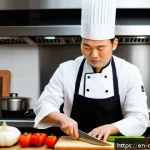
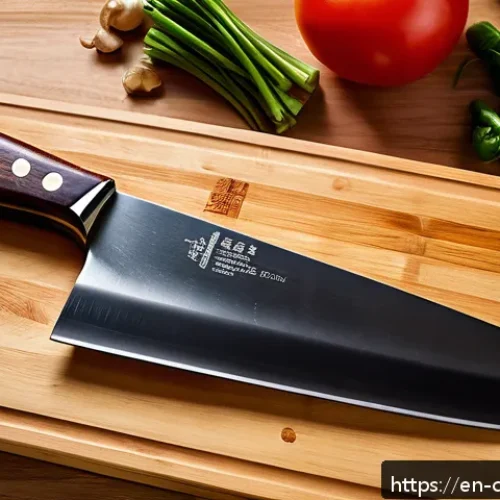
The Chinese cleaver is often misunderstood by beginners as a heavy-duty chopping tool only, but its versatility is incredible. I remember when I first started cooking Chinese dishes, I used a Western-style chef’s knife and struggled with delicate cuts.
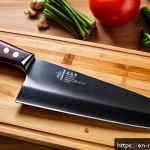
Switching to a Chinese cleaver changed everything. Its broad, rectangular blade lets you slice, dice, and mince with remarkable precision, yet it can also handle crushing garlic or ginger.
The balance and weight make repetitive chopping easier, which is a lifesaver when prepping large meals. Using a cleaver properly requires some practice, but once mastered, it speeds up prep time and improves the consistency of your cuts significantly.
Specialized Knives for Vegetables and Meat
Apart from the cleaver, a paring knife with a sharp, pointed tip is essential for peeling and intricate vegetable work. For proteins, a boning knife with a flexible blade helps separate meat cleanly from bones, which is especially useful when preparing dishes like Peking duck or braised pork belly.
I personally found that investing in these knives improved not only my cutting technique but also the texture and presentation of the final dish. Keeping these knives razor-sharp and well-maintained is crucial; a dull blade can ruin even the best ingredients.
Sharpening and Maintenance Tools
No matter how good your knives are, dullness will slow you down and increase the risk of injury. A whetstone is the best tool for sharpening Chinese knives.
I’ve tried electric sharpeners, but the whetstone gives the most control and the sharpest edge when used correctly. Additionally, a honing steel helps maintain the blade’s edge between sharpenings.
Regular sharpening and honing not only prolong the life of your knives but also ensure your cuts are clean, which affects cooking times and texture.
Steaming Essentials for Authentic Texture
Bamboo Steamers: The Classic Choice
Bamboo steamers are an iconic tool in Chinese kitchens, prized for their ability to gently steam dumplings, buns, and fish while preserving moisture and flavor.
I’ve cooked countless dim sum dishes in a bamboo steamer, and the subtle aroma it imparts cannot be replicated by metal steamers. Layering the baskets allows you to steam multiple items simultaneously, which is a huge time-saver.
Just remember to line the baskets with parchment paper or cabbage leaves to prevent sticking. Bamboo steamers also require occasional soaking and drying to avoid cracking and mold.
Metal Steamers and Electric Alternatives
For those who want something more durable or easy to clean, stainless steel steamers are a good alternative. They heat up quickly and are dishwasher safe, which is convenient for busy kitchens.
Electric steamers offer precise temperature control and timers, making them user-friendly for beginners. While they don’t have the traditional charm of bamboo, electric steamers deliver consistent results and are great for repetitive cooking tasks, especially if you’re preparing for certification exams where timing is key.
Steaming Tips for Best Results
Steaming requires the right water level and heat control. I learned early on that too much water can spill into the food, while too little causes uneven cooking.
Keeping the lid tightly sealed traps steam, ensuring even cooking throughout. Also, avoid overcrowding the steamer baskets; steam needs to circulate freely to cook items evenly.
Using these techniques, your steamed dishes will have that perfect tender texture and vibrant flavor.
Woks and Pans for Versatile Cooking
The Carbon Steel Wok: A Chef’s Best Friend
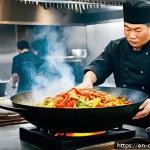
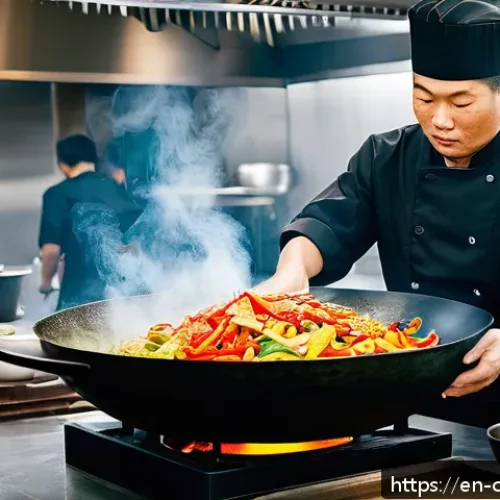
Nothing beats the carbon steel wok for stir-frying, deep-frying, and even steaming. When I first started experimenting with stir-fries, I used a non-stick pan and ended up with soggy vegetables.
Switching to a carbon steel wok gave me control over heat and allowed the food to cook quickly with that signature “wok hei” flavor—the smoky, slightly charred essence that defines great Chinese cooking.
Seasoning the wok properly builds a natural non-stick surface, which improves with time and use.
Non-Stick and Cast Iron Alternatives
If maintaining a carbon steel wok feels daunting, a good-quality non-stick pan can be a decent substitute for beginners. However, non-stick pans don’t handle high heat well and won’t deliver the same depth of flavor.
Cast iron skillets are another alternative, especially for dishes requiring steady heat, like braises or pan-fried dumplings. They retain heat exceptionally well but require seasoning and careful cleaning to prevent rust.
Choosing the Right Pan Size and Shape
Woks come in various sizes, typically ranging from 12 to 16 inches in diameter. For home cooking, a 14-inch wok strikes a balance between capacity and manageability.
The rounded bottom of traditional woks is ideal for gas stoves, while flat-bottom woks are better suited for electric or induction cooktops. Selecting the right wok shape for your stove improves heat distribution and cooking efficiency, which is especially important during timed cooking challenges.
Utensils That Boost Efficiency and Control
Long-Handled Spatulas and Ladles
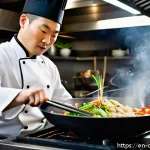
Long-handled spatulas are indispensable for stir-frying. Their length keeps your hands safely away from the heat while giving you the control needed to toss ingredients quickly.
I’ve tried shorter spatulas, but they make stirring and flipping cumbersome and increase the risk of burns. Ladles with deep bowls are perfect for scooping soups and sauces, allowing precise portioning without mess.

Chopsticks as Cooking Tools
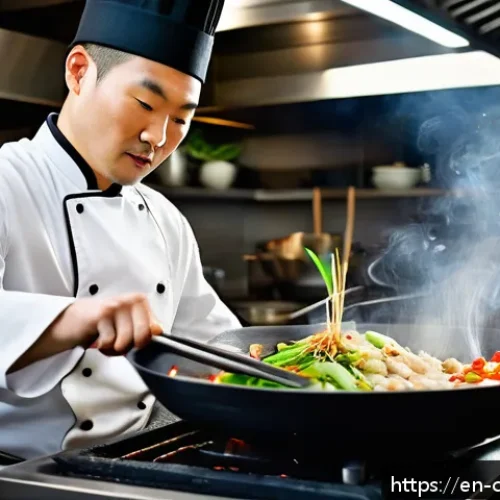
Many people don’t realize chopsticks are versatile kitchen tools beyond eating. I use long cooking chopsticks to flip delicate dumplings, check oil temperature, and even separate noodles.
They offer precision and control that other utensils can’t match. If you’re preparing for a certification test, mastering the use of cooking chopsticks can give you an edge in speed and finesse.
Strainers and Skimmers for Perfect Presentation
Fine mesh strainers help rinse rice and vegetables thoroughly, while skimmers scoop out foam or excess oil during frying. I always keep a wire skimmer handy when deep-frying spring rolls or wontons to remove them swiftly without breaking.
Using the right strainer or skimmer ensures your dishes are clean, crisp, and visually appealing, which is crucial when presentation matters as much as taste.
Measuring and Mixing Tools for Consistency
Precision Scales and Measuring Cups
When preparing sauces or doughs, accuracy can’t be compromised. I’ve found that digital kitchen scales help measure ingredients like soy sauce, vinegar, or flour precisely, which is vital for consistent flavor and texture.
Measuring cups and spoons are equally important for liquid ingredients. Using these tools ensures your recipes turn out perfectly each time, especially during timed practical exams.
Mixing Bowls and Whisks
A set of mixing bowls in various sizes allows you to prep and marinate ingredients efficiently. Stainless steel or glass bowls are ideal because they’re easy to clean and don’t retain odors.
Whisks come in handy for emulsifying dressings or beating eggs for dishes like egg foo young. I always keep a few whisks on hand because they make mixing smoother and faster compared to forks or spoons.
Marinating Tools for Flavor Infusion
Marinating is an art in Chinese cooking, and having dedicated tools like sealable containers or silicone brushes can make a big difference. I’ve noticed that marinating meat in airtight containers helps flavors penetrate better and keeps the kitchen tidy.
Silicone brushes allow even coating of sauces without wasting any liquid. These small tools add a professional touch to your prep work.
Organizing Your Workspace for Maximum Efficiency
Knife Racks and Magnetic Strips
Keeping your knives organized and accessible is essential. Magnetic strips mounted on the wall save counter space and keep blades within easy reach. I used to store knives in a drawer, but switching to a magnetic strip improved safety and speed.
It also helps keep knives dry, preventing rust.
Storage Containers for Ingredients
Clear, stackable containers for spices, sauces, and dry goods help you stay organized and speed up cooking. Labeling containers is a habit I developed that saves me from rummaging through cupboards during busy prep sessions.
Having everything visible and orderly also reduces waste and ensures freshness.
Workstation Layout Tips
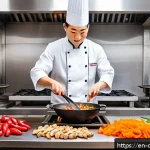
Designing your kitchen workstation to have prep, cooking, and plating areas clearly defined can drastically improve workflow. I arrange cutting boards, knives, and mixing bowls near the stove to minimize movement.
Setting up your space thoughtfully helps maintain focus and efficiency, especially when juggling multiple dishes.
| Tool | Primary Use | Material | Maintenance Tips | Best For |
|---|---|---|---|---|
| Chinese Cleaver | Slicing, dicing, crushing | Carbon steel or stainless steel | Regular sharpening, hand wash only | Vegetables, meats, garlic |
| Bamboo Steamer | Steaming dumplings, buns | Bamboo | Soak before use, air dry | Dim sum, fish, vegetables |
| Carbon Steel Wok | Stir-frying, deep-frying | Carbon steel | Season regularly, avoid soap | Stir-fries, fried rice, braises |
| Long-handled Spatula | Stirring, flipping | Metal or wood | Hand wash, dry thoroughly | Stir-fries, noodles |
| Digital Kitchen Scale | Measuring ingredients | Plastic and metal | Keep clean and dry | Sauces, doughs, precise recipes |
In Conclusion
Mastering the right tools is key to efficient and precise cooking, especially when aiming for authentic flavors and textures. From versatile knives to the perfect wok and steaming equipment, each item plays a crucial role in elevating your culinary skills. Investing time in maintenance and organization further enhances your cooking experience. With these essentials, you’re well-equipped to tackle any recipe with confidence and ease.
Useful Tips to Remember
1. Always keep your knives sharp and well-maintained to ensure safety and precision during food preparation.
2. Use bamboo steamers when possible to preserve the delicate flavors and moisture of your dishes.
3. Choose the right pan size and material based on your cooking method for optimal heat control.
4. Incorporate long-handled utensils and chopsticks in your kitchen to improve safety and control.
5. Organize your workspace with clear storage and easy access to tools to boost efficiency during busy cooking sessions.
Key Takeaways
Selecting quality, purpose-driven tools significantly impacts the outcome and enjoyment of cooking. Regular upkeep such as sharpening, seasoning, and proper storage extends the lifespan of your equipment. Understanding the unique functions of each utensil allows for faster prep times and better dish presentation. Finally, maintaining an organized and ergonomic kitchen setup reduces stress and enhances your overall cooking flow, making every meal preparation smoother and more enjoyable.
Frequently Asked Questions (FAQ) 📖
Q: What are the essential kitchen tools for mastering Chinese cooking?
A: To truly master Chinese cooking, you’ll want to have a few key tools at your disposal. A traditional Chinese cleaver is indispensable—it’s versatile enough for chopping, slicing, and even crushing ingredients.
Bamboo steamers are also a must-have for preparing dumplings, buns, and delicate steamed dishes. A wok is another essential item, perfect for stir-frying, deep-frying, and steaming.
Other helpful tools include a spider strainer for removing food from hot oil and a rolling pin for making dumpling wrappers. Having these tools not only improves efficiency but also helps you achieve the authentic textures and flavors that define Chinese cuisine.
Q: Why is using a traditional Chinese cleaver better than a regular kitchen knife?
A: The traditional Chinese cleaver is truly a game-changer in the kitchen. Unlike a typical Western chef’s knife, the cleaver’s wide, rectangular blade allows for multiple functions beyond just cutting.
You can chop vegetables, slice meat, crush garlic, and even scoop up ingredients to transfer them—all with one tool. Its weight and balance provide precision and speed, which is crucial when working with the fast-paced techniques in Chinese cooking.
From my own experience, once I switched to a cleaver, my prep time decreased significantly, and my cuts became more uniform, which really elevated the final dish’s presentation and cooking consistency.
Q: How important is it to use bamboo steamers instead of metal or electric steamers?
A: Bamboo steamers are more than just traditional—they actually impact the flavor and texture of steamed dishes. Unlike metal or electric steamers, bamboo steamers allow steam to circulate naturally while absorbing excess moisture, preventing sogginess.
This results in dumplings and buns that are light, fluffy, and perfectly cooked. When I first started using bamboo steamers, I noticed a distinct difference in the taste and texture of my dim sum compared to when I used a metal steamer.
Plus, bamboo steamers stack easily, letting you steam multiple layers of food at once, which is a real time-saver when preparing a full Chinese meal.