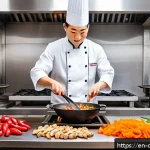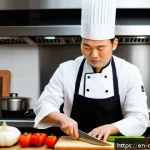
Stepping into the practical exam environment for a Chinese culinary certification can feel both exciting and intense. The setup, from kitchen layout to available tools, plays a crucial role in how confidently candidates perform.
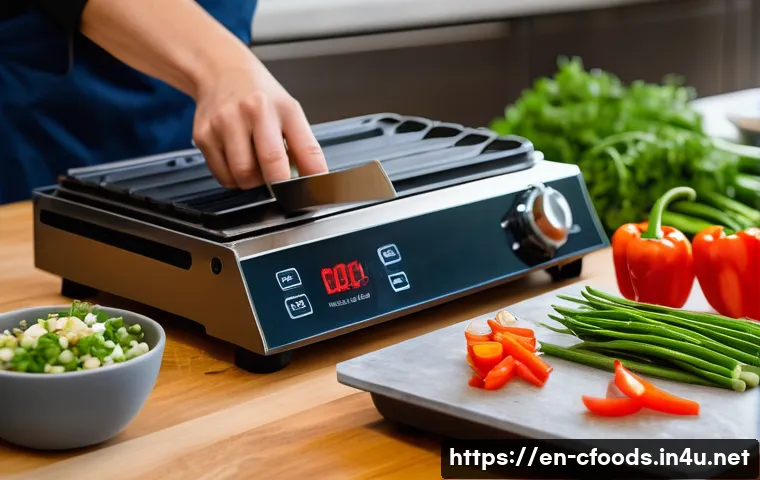
Many find that understanding the exam room’s atmosphere helps reduce stress and improve focus during the cooking process. It’s not just about skill but also adapting quickly to the surroundings.
If you want to master the practical exam experience and avoid surprises, you’re in the right place. Let’s dive deep and uncover all the details you need to know!
Understanding the Exam Kitchen Setup
Layout and Workstations
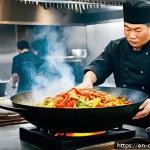
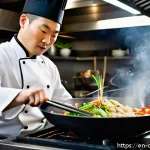
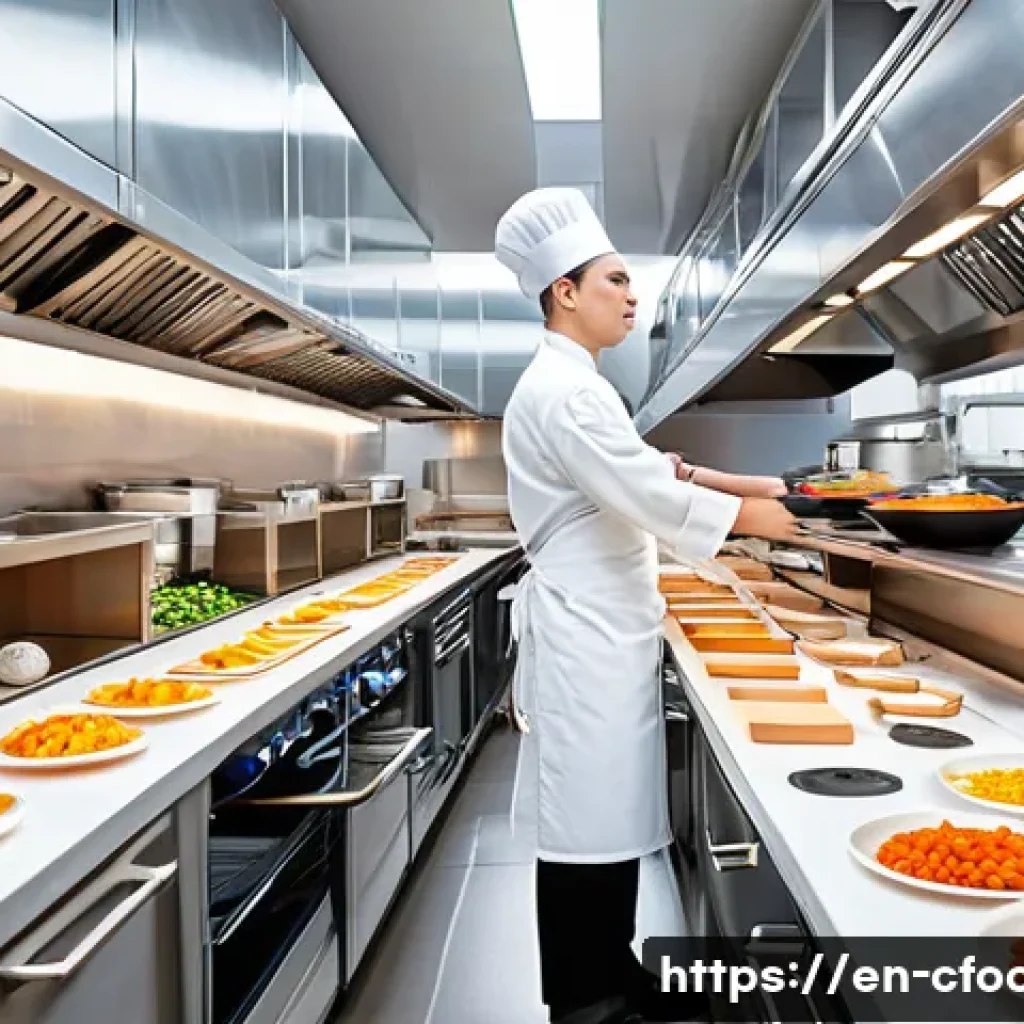
The layout of the exam kitchen is meticulously designed to maximize efficiency while testing your adaptability. Each candidate typically gets an individual workstation equipped with basic tools and appliances.
From my experience, these stations are arranged in a way that mimics a real commercial kitchen but with limited space, so you have to be mindful of your movements to avoid collisions or disruptions.
The workstations usually include a stove, prep area, and storage compartments for ingredients and utensils. Knowing this setup beforehand helps you plan your workflow, ensuring you don’t waste precious seconds searching for tools or ingredients.
The compact nature of these stations means you’ll need to organize your space smartly — clutter can quickly become your enemy during the timed exam.
Essential Tools and Equipment Provided
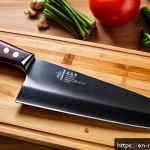
Most practical exams supply a standard set of tools, but some specialized equipment might not be available. Typically, you’ll find basic knives, cutting boards, woks, steamers, and measuring utensils.
However, certain items like specialized cleavers or particular types of pans may not be provided, so it’s essential to practice with the exact tools you expect to encounter.
Personally, I found that getting comfortable with the provided equipment ahead of time eased my nerves significantly. It also allows you to adjust your techniques slightly based on the weight, balance, or size of the tools, which can affect chopping speed or cooking style.
Be prepared to adapt quickly, and always keep your station tidy to avoid losing or misplacing tools during the rush.
Lighting, Ventilation, and Ambiance
Though it may seem minor, the lighting and ventilation in the exam room impact your focus and comfort. Bright, even lighting is standard in most exam kitchens, helping you see fine details like ingredient textures or doneness.
However, some centers might have slightly dimmer or warmer lights, which can affect color perception, an important factor when judging the doneness of meats or the crispness of vegetables.
Ventilation is another key aspect — good airflow prevents smoke and odors from becoming overwhelming, but in some cases, you might notice lingering cooking smells from other candidates.
This sensory environment can either relax or distract you, so it’s wise to spend some time in the actual kitchen if possible before the exam. Adjusting your mindset to the ambiance can make a surprising difference in maintaining calm and concentration.
Time Management Strategies During the Exam
Breaking Down the Cooking Process
One of the biggest challenges is managing your time efficiently throughout the exam. The clock is relentless, and rushing can lead to mistakes, while being too slow risks incomplete dishes.
I recommend dividing your total time into phases: prep, cooking, plating, and cleanup. For example, allocate about 30-40% of your time to prep since thorough preparation can prevent bottlenecks later.
When you’re cooking, stay focused on multitasking, such as simmering a sauce while chopping vegetables for the next step. Practicing this breakdown at home with a timer helped me build a natural rhythm, which proved invaluable under exam pressure.
Adjusting on the Fly
No matter how well you plan, unexpected hiccups happen. Maybe a burner isn’t heating evenly, or a sauce takes longer to thicken. In those moments, quick thinking is your best friend.
Instead of panicking, shift your priorities — for instance, start plating components that are ready while the rest finish cooking. I learned this the hard way during my exam when a key ingredient took longer to prepare, forcing me to rearrange my plating order.
Flexibility and staying calm let me maintain quality without sacrificing presentation or taste.
Using Timers and Visual Cues
While some kitchens provide timers, others expect you to keep track mentally or with your own watch. I found that setting mental checkpoints based on visual cues — like the color of a stir-fry or the aroma of a broth — helped me stay on track better than relying solely on numbers.
Using a combination of timers and sensory observation prevents you from becoming too rigid or too relaxed about timing, striking the perfect balance to deliver dishes at peak quality.
Ingredient Organization and Handling
Pre-Exam Ingredient Familiarization
Understanding what ingredients will be available is a game-changer. Most exam centers provide a fixed list and the actual items on exam day, but it’s crucial to practice with these exact ingredients beforehand.
I remember prepping my mise en place multiple times using the same vegetables, proteins, and spices to develop muscle memory and speed. Recognizing the quality and freshness of ingredients during the exam also helps you decide how to handle them — for example, a slightly wilted vegetable might require quicker cooking to maintain texture.
Effective Mise en Place Setup
Mise en place isn’t just a fancy term; it’s the backbone of a smooth cooking process. Arranging all your prepped ingredients in the order of use, and within easy reach, saves precious seconds.
I like to group ingredients by cooking steps — those going into the wok first are closest, while garnishes sit further away until needed. Labeling or visually separating ingredients can prevent mix-ups, especially under pressure.
This organized approach also reduces mental clutter, letting you focus on cooking rather than scrambling for components.
Safe and Hygienic Handling Practices
Exam kitchens emphasize food safety rigorously. You’ll need to demonstrate proper hygiene, like washing hands between handling raw and cooked items, and keeping raw meats away from vegetables.
I personally made it a habit to clean my station regularly during the exam to avoid cross-contamination and to keep utensils sanitary. Not only does this comply with exam rules, but it also ensures your dishes taste fresh and stay safe.
Remember, ignoring hygiene can lead to immediate penalties or even disqualification.
Managing Stress and Staying Focused
Breathing Techniques and Mental Preparation
Walking into a practical exam can feel like stepping into a pressure cooker. I found that simple breathing exercises right before starting — deep inhales and slow exhales — helped steady my nerves.
Visualizing the cooking process step-by-step also calmed my mind and built confidence. This mental rehearsal reduces the chance of freezing up or rushing through steps blindly, making your hands steady and your mind sharp.
Staying Positive Despite Challenges
Mistakes happen, and that’s okay. The key is how you respond. During my exam, I accidentally over-salted a sauce early on, but instead of panicking, I quickly adjusted by balancing with acidity and sweetness.
Keeping a positive mindset allowed me to recover without losing focus or wasting time dwelling on the error. Embrace imperfections as part of the learning curve and keep pushing forward.
Minimizing External Distractions
Exam rooms can be noisy, with other candidates bustling around and judges observing closely. To keep distractions at bay, I used earplugs during prep phases when allowed, and focused on the rhythm of my cooking rather than external chatter.
Some candidates find listening to calming music before the exam helps create a mental bubble. Finding what works for you to maintain concentration amidst the buzz can elevate your performance significantly.
Presentation and Plating Tips
Balancing Aesthetic and Practicality
Presentation is more than just looking good — it’s about communicating the dish’s essence clearly and enticingly. I learned that plating with contrast in colors and textures makes a huge difference.
For example, pairing a glossy sauce with crisp vegetables adds visual appeal and signals freshness. However, avoid overcomplicating your plating; simplicity often shines best under exam pressure.
Your goal is to highlight the dish’s strengths without making it look cluttered or rushed.
Timing Your Plating Steps
Plating too early can cause food to lose heat or texture, while plating too late might rush the finish. I recommend starting plating when most components are ready but still hot.
Using warm plates, if allowed, helps maintain temperature. During the exam, I timed my plating so that garnishes were added last, ensuring they stayed vibrant and fresh.
This approach also gave me a final moment to inspect the dish before presentation.
Final Touches and Garnishing
Garnishes shouldn’t just be decorative; they should enhance flavor and complement the main components. Fresh herbs, edible flowers, or thinly sliced vegetables add that wow factor.
I always kept a few garnish options prepped and ready, so I could choose the best match depending on the dish’s flavor profile. A quick wipe of the plate edges and a thoughtful arrangement can transform a good dish into an exam-winning one.
Exam Day Logistics and Personal Preparation
Arriving Early and Familiarizing Yourself
Showing up early to the exam center is a small step that pays big dividends. It gives you time to acclimate to the environment, check your station, and mentally prepare.
I used this time to run through my recipe steps quietly, visualize the cooking flow, and double-check that all required ingredients and tools were present.
This calm moment before the storm helped reduce anxiety and set a positive tone.
Dress Code and Personal Hygiene
Following the dress code is non-negotiable. Wearing clean, professional chef attire including a hat, apron, and non-slip shoes not only meets exam standards but also boosts your confidence.
Personal hygiene is equally important—clean hands, trimmed nails, and tidy hair show respect for food safety and professionalism. I found that feeling physically prepared made me feel mentally ready, which reflected in my performance.
What to Bring and What to Expect
While most tools and ingredients are provided, some exams allow or require you to bring personal items like knives or seasoning. Double-check the exam guidelines ahead of time to avoid surprises.
Bringing a small timer or watch, if permitted, helps with time management. Expect a structured but fast-paced environment where judges observe closely but generally don’t interfere unless necessary.
Being mentally prepared for this atmosphere helps you stay composed and perform at your best.
| Aspect | What to Expect | Tips for Success |
|---|---|---|
| Workstation | Individual compact station with stove, prep area, and storage | Organize tools and ingredients neatly; plan workflow |
| Tools Provided | Basic knives, woks, steamers, measuring utensils | Practice with similar equipment in advance; adapt techniques |
| Time Allocation | Strict timed phases: prep, cooking, plating, cleanup | Use timers and visual cues; stay flexible under pressure |
| Ingredient Handling | Fixed ingredient list; emphasis on hygiene and safety | Master mise en place; maintain cleanliness to avoid penalties |
| Environment | Bright lighting, good ventilation, some noise | Acclimate early; use mental focus techniques |
| Presentation | Emphasis on neat, appealing plating | Balance aesthetics and practicality; garnish thoughtfully |
| Personal Prep | Professional attire and hygiene standards | Arrive early; mentally rehearse; bring allowed personal items |
In Conclusion
Preparing for a practical cooking exam requires more than just culinary skills; it demands strategic planning, adaptability, and a calm mindset. Understanding the kitchen setup, managing your time wisely, and staying focused under pressure are key factors that can make a significant difference. With practice and preparation, you can navigate the challenges confidently and showcase your best performance.
Useful Tips to Remember
1. Familiarize yourself with the exam kitchen layout and organize your workstation to maximize efficiency and reduce unnecessary movements.
2. Practice cooking with the tools and equipment provided during the exam to build comfort and adjust your techniques accordingly.
3. Break down your cooking process into timed phases—prep, cooking, plating, and cleanup—to maintain steady progress and avoid last-minute rushes.
4. Maintain strict hygiene and ingredient handling practices to ensure food safety and meet exam standards.
5. Use breathing exercises and positive mental strategies to manage stress and stay focused despite distractions.
Key Takeaways for Success
Mastering the practical cooking exam involves a blend of preparation, organization, and mental resilience. Knowing your environment and equipment ahead of time helps streamline your workflow, while effective time management keeps your dishes on track. Don’t underestimate the power of maintaining cleanliness and food safety, as these are critical assessment points. Finally, staying calm and adaptable in the face of unexpected challenges ensures that your final presentation is both polished and delicious, reflecting your true culinary abilities.
Frequently Asked Questions (FAQ) 📖
Q: What should I expect regarding the kitchen setup during the practical exam?
A: Typically, the exam kitchen is designed to mimic a professional environment but with standardized equipment to ensure fairness. You can expect a clean, well-organized space with essential tools like woks, knives, cutting boards, and stoves.
However, the brands or specific models might differ from what you’re used to, so it’s wise to practice with various equipment beforehand. Knowing the layout in advance, if possible, helps you mentally prepare and reduces the time spent adjusting during the exam.
Q: How can I manage stress and stay focused amid the exam environment?
A: From my experience and talking with others who’ve taken similar exams, the key is to familiarize yourself with the exam conditions through mock tests or practice in different kitchens.
Deep breathing exercises and positive self-talk before starting can calm nerves. Also, having a clear plan for your cooking steps reduces overwhelm. Remember, the environment might feel intense, but staying present and focusing on each task one at a time will boost your confidence and performance.
Q: Is it important to adapt my cooking style to the exam environment, and how?
A: Absolutely. While your core skills are crucial, adapting to the exam’s specific setup can make a big difference. For example, if the heat controls on the stove are different, you might need to adjust cooking times slightly.
Being flexible with ingredient measurements or presentation style according to the available materials shows your versatility. Practicing adaptability beforehand, like cooking with unfamiliar tools or under timed conditions, will help you handle surprises smoothly during the actual exam.