Earning a Chinese culinary certification can open doors to exciting career opportunities in the food industry. Whether you’re passionate about mastering authentic flavors or aiming to boost your resume, having this credential sets you apart.

From selecting the right study materials to hands-on practice, there are proven strategies that make the journey smoother and more enjoyable. I’ve personally found that combining theory with real kitchen experience accelerates learning and confidence.
Ready to dive deeper into effective tips and insider advice? Let’s explore the details together!
Choosing the Right Study Resources for Chinese Culinary Certification
Finding Quality Textbooks and Online Courses
When I first started preparing for my Chinese culinary certification, I realized that not all study materials are created equal. High-quality textbooks that focus on authentic techniques and ingredient knowledge can make a huge difference.
Look for resources authored by reputable chefs or culinary schools. Online platforms like specialized cooking academies often offer video tutorials that bring theory to life.
I found that combining reading with visual demonstrations helped me grasp complex cooking methods much faster than textbooks alone.
Leveraging Local Workshops and Culinary Schools
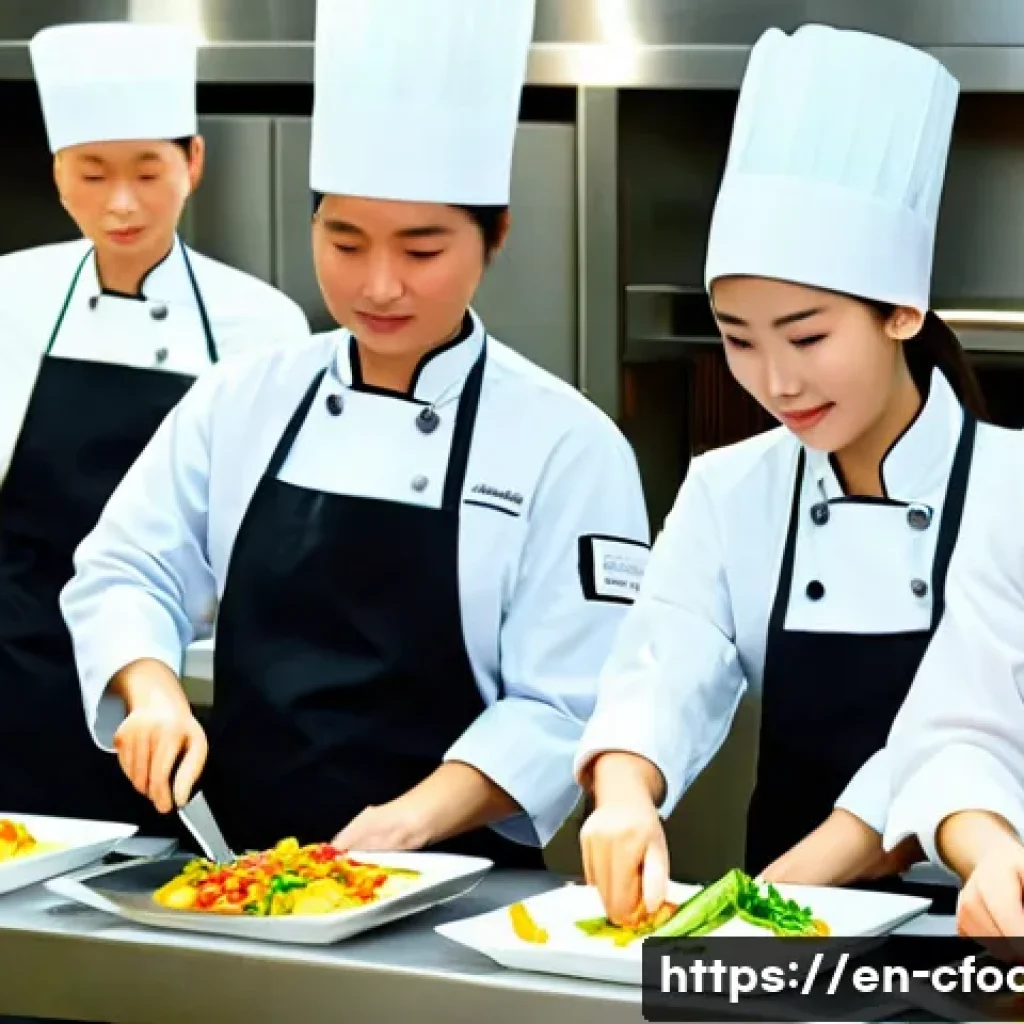
Hands-on experience is invaluable, so I always recommend enrolling in local workshops or short courses that emphasize practical skills. These classes provide direct feedback from instructors and allow you to practice knife skills, stir-frying techniques, and sauce preparation in real time.
Plus, being in a community of fellow learners keeps motivation high. I remember attending a weekend dim sum workshop that completely changed how I approached dough handling and folding.
Don’t underestimate the power of in-person learning when it comes to mastering Chinese cuisine.
Utilizing Mobile Apps and Culinary Forums
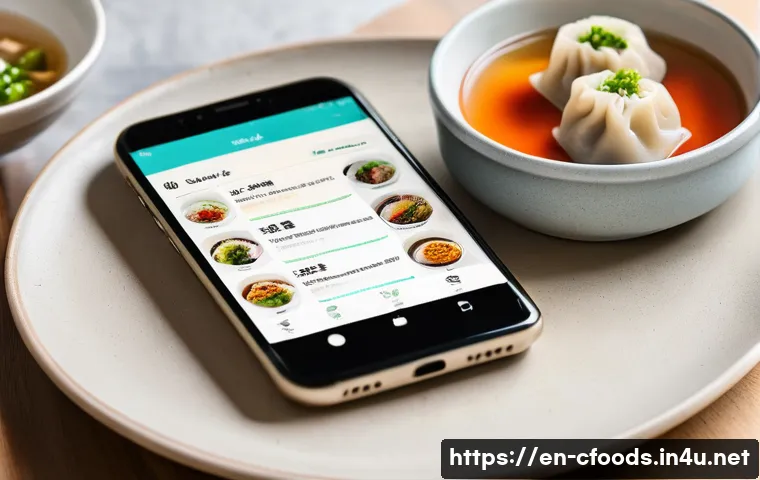
In today’s digital age, mobile apps can be surprisingly effective study aids. Apps that offer recipe breakdowns, ingredient glossaries, and cooking timers help keep your practice organized.
Additionally, culinary forums and social media groups dedicated to Chinese cooking are treasure troves of insider tips and troubleshooting advice. I often posted questions about ingredient substitutions or cooking temperatures, and the responses were prompt and practical.
Engaging with these communities can also expose you to regional variations and lesser-known dishes, enriching your overall understanding.
Balancing Theory with Practical Kitchen Experience
Setting Up a Home Practice Schedule
Consistency is key when it comes to skill development. I carved out specific days during the week to focus solely on practicing recipes and techniques from my study materials.
This routine helped me track progress and identify areas needing improvement. For instance, mastering wok tossing took several attempts, and having a dedicated practice schedule prevented me from feeling overwhelmed.
I recommend starting with simpler dishes and gradually moving to complex ones, so your confidence builds naturally.
Experimenting with Ingredients and Flavor Profiles
Chinese cuisine is all about balance—sweet, sour, salty, bitter, and umami. As I gained more experience, I started experimenting with ingredient ratios and seasoning adjustments.
This hands-on exploration taught me how subtle tweaks can elevate a dish. For example, adjusting the soy sauce quantity or adding a touch of rice vinegar made a big difference in flavor depth.
Don’t hesitate to try small variations; it’s part of the learning process and enhances your palate.
Documenting Your Progress and Recipes
Keeping a detailed cooking journal was a game changer for me. After each practice session, I noted down what worked, what didn’t, and any flavor observations.
Over time, this record became a personalized recipe book and a learning log. When it came time for the certification exam, reviewing my notes helped me recall techniques and flavor combinations with ease.
I suggest using a digital tool or physical notebook—whichever suits your style—to track your culinary journey.
Understanding Exam Requirements and Structure
Familiarizing Yourself with Certification Levels
Chinese culinary certifications often come in multiple levels, from beginner to advanced. Each level tests different skill sets, so understanding what’s expected is crucial.
When I prepared, I studied the official exam guidelines carefully to know which knife skills, cooking methods, and dishes were required. This focus allowed me to tailor my practice effectively and avoid wasting time on irrelevant techniques.
Researching past exam formats and sample questions also gave me a clearer picture of the challenge ahead.
Preparing for Practical and Written Exams
The certification usually involves both a hands-on cooking test and a written theory exam. I allocated separate study times for each component. For the practical exam, rehearsing dishes within the allotted time was essential to build speed and confidence.
For the written part, I focused on ingredient identification, food safety principles, and culinary terminology. Practice tests and mock exams were invaluable tools; they reduced anxiety and helped me pinpoint knowledge gaps before the real exam day.
Utilizing Professional Mentorship and Feedback
If possible, seek out mentorship from certified chefs or instructors. I found that having a mentor not only provided expert feedback but also insider tips on exam expectations.
My mentor helped me refine plating presentation and suggested subtle improvements in technique that I hadn’t considered. Regular feedback sessions kept me accountable and motivated.
Even if mentorship isn’t formally available, requesting critiques from experienced cooks can elevate your preparation significantly.
Mastering Essential Chinese Cooking Techniques
Perfecting Knife Skills and Ingredient Preparation
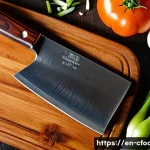
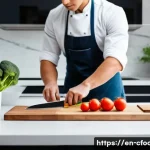
Knife skills are fundamental in Chinese cuisine, affecting both cooking speed and presentation. I spent countless hours practicing precise cuts like julienne, chiffonade, and dicing.
Proper knife handling also ensures safety and ingredient consistency. I noticed that mastering these skills early made subsequent cooking steps smoother and more enjoyable.
Incorporate different vegetables and proteins to build versatility. Remember, the quality of preparation often defines the final dish.
Learning Key Cooking Methods: Stir-Frying, Steaming, and Braising
Each cooking method in Chinese culinary arts serves a unique purpose and flavor outcome. Stir-frying requires quick heat control and constant movement, while steaming preserves natural flavors and textures.
Braising combines slow cooking with rich sauces for deep flavor. I found that practicing these techniques with familiar dishes helped me internalize timing and heat management.
Watching seasoned chefs work their woks also inspired me to focus on rhythm and precision.
Mastering Sauce Making and Flavor Balancing
Sauces are the heart of many Chinese dishes, from soy-based glazes to spicy chili pastes. I experimented with classic sauces, learning how to balance salty, sweet, and spicy elements.
For example, perfecting the balance in a hoisin-based sauce required patience and multiple trials. Understanding the role of each ingredient—like oyster sauce for umami or sesame oil for aroma—helped me customize flavors confidently.
Don’t rush sauce preparation; it’s where much of the dish’s character comes alive.
Organizing Your Study Time Efficiently
Creating a Realistic Study Plan
When juggling work and study, a realistic plan is critical. I broke down the certification topics into manageable chunks, assigning specific days for theory, technique practice, and review.
Using a calendar app to set reminders kept me on track and prevented last-minute cramming. Flexibility is also important; some weeks might require more kitchen time, while others focus on reading.
This balance reduced burnout and kept my progress steady.
Incorporating Rest and Reflection Periods
Overworking can hinder learning. I scheduled short breaks during study sessions and days off to reflect on what I’d learned. These pauses allowed my mind to absorb new information and prevented frustration.
Sometimes, stepping away from the kitchen gave me fresh perspectives on challenging recipes. I also found that discussing my progress with friends or fellow learners during these breaks boosted motivation and provided emotional support.
Tracking Milestones and Celebrating Progress
Small wins deserve recognition. I set milestones for mastering particular techniques or passing practice quizzes and celebrated each achievement with a treat or outing.
This positive reinforcement made the learning journey enjoyable and kept me motivated through tough phases. Tracking milestones visually, like marking completed topics on a board, provided a clear sense of accomplishment and forward momentum.
Networking and Career Opportunities Post-Certification
Joining Culinary Associations and Groups
After certification, connecting with culinary associations can open up valuable opportunities. I joined a professional network for Asian cuisine chefs that hosts events, workshops, and job boards.
Being part of this community helped me stay updated on industry trends and meet potential employers. Networking also offers mentorship possibilities and collaborations that can elevate your career.
Don’t underestimate the power of relationships in the food industry.
Leveraging Social Media to Showcase Your Skills
Building an online presence through platforms like Instagram or YouTube can significantly boost your visibility. I started sharing cooking videos and recipe tips, which attracted followers interested in Chinese cuisine.
This not only showcased my expertise but also led to freelance gigs and invitations to culinary events. Authentic storytelling and behind-the-scenes content resonate well with audiences, so keep your posts genuine and engaging.
Exploring Diverse Career Paths with Your Certification
A Chinese culinary certification isn’t limited to restaurant kitchens. I discovered opportunities in food styling, recipe development, culinary education, and even food tourism.
Some certified chefs work as consultants for product development or run their own catering businesses. The certification adds credibility that can differentiate you in competitive markets.
Consider what excites you most and use your credential as a foundation to explore diverse food-related careers.
| Study Resource Type | Benefits | Recommended Examples |
|---|---|---|
| Textbooks | In-depth theory, step-by-step techniques, reliable references | “The Chinese Kitchen” by Eileen Yin-Fei Lo, “Mastering the Art of Chinese Cooking” |
| Online Courses | Flexible learning, visual demonstrations, interactive quizzes | MasterClass Chinese cooking series, Udemy authentic Chinese cuisine courses |
| Workshops | Hands-on practice, expert feedback, peer interaction | Local culinary schools, community cooking classes, specialized dim sum workshops |
| Mobile Apps | Convenient study tools, ingredient guides, timers | Chinese Cooking Recipes app, Kitchen Stories |
| Culinary Forums | Community support, troubleshooting, recipe variations | Reddit r/ChineseFood, specialized Facebook groups |
Conclusion
Choosing the right study resources and balancing theory with hands-on practice are essential steps toward earning your Chinese culinary certification. Throughout my journey, I found that combining different learning methods enhanced my skills and confidence. Staying organized and seeking mentorship made the process smoother and more rewarding. With dedication and the right approach, mastering Chinese cooking techniques becomes an achievable and enjoyable goal.
Useful Information to Keep in Mind
1. Consistency in practice is crucial—regularly setting aside time for cooking helps solidify techniques and builds confidence over time.
2. Experimenting with flavors and ingredient combinations allows you to develop a deeper understanding of Chinese cuisine’s balance and complexity.
3. Utilizing both digital tools and in-person workshops provides a well-rounded learning experience, combining theory and practical skills.
4. Keeping detailed notes or a cooking journal can greatly improve recall and preparation when facing certification exams.
5. Networking and showcasing your skills online can open up exciting career opportunities beyond traditional kitchen roles.
Key Takeaways for Success
Effective preparation for Chinese culinary certification relies on selecting trustworthy study materials and engaging in hands-on practice. Building a structured study plan with achievable milestones helps maintain motivation and track progress. Don’t overlook the value of mentorship and community support, which provide guidance and insider knowledge. Finally, balancing rest with focused study ensures sustainable learning and keeps your passion for Chinese cooking alive throughout the certification journey.
Frequently Asked Questions (FAQ) 📖
Q: What are the best resources to prepare for a Chinese culinary certification?
A: From my experience, the key is to blend quality textbooks with authentic cooking videos and hands-on practice. Look for resources authored by well-known Chinese chefs or culinary schools, and don’t hesitate to use online platforms like YouTube for step-by-step tutorials.
Also, investing time in learning about regional ingredients and traditional cooking techniques really makes a difference. Combining these materials with real kitchen time helped me grasp concepts faster and feel more confident.
Q: How important is practical experience compared to theory when pursuing this certification?
A: Practical experience is absolutely crucial. While understanding theory lays the foundation, nothing beats actually working with ingredients and mastering cooking techniques firsthand.
I noticed a huge boost in my skills and confidence once I started applying what I learned in a real kitchen setting. If you can, find internships, workshops, or even practice at home regularly.
This hands-on approach not only prepares you for the exam but also equips you for a real career in the culinary world.
Q: Can earning a Chinese culinary certification really enhance my job prospects in the food industry?
A: Definitely! Having a recognized certification shows potential employers that you’re serious, skilled, and knowledgeable about authentic Chinese cuisine.
In my case, it opened doors to roles in reputable restaurants and even gave me an edge when negotiating better pay. Plus, it’s a great conversation starter that builds trust with customers and colleagues alike.
The certification isn’t just a piece of paper—it’s proof of your dedication and expertise.